Dispatch a Roof Inspection
Call 555-555-5555 or fill out the form and we will be in touch.

Explore commercial roof repair, replacement, inspection, maintenance, and restoration services for Meridian buildings and operating schedules.
A leak, aging membrane, or capital plan starts with the roof that is actually installed. We inspect the reported area, record visible conditions, and define the next decision. Commercial Roofing Meridian repairs, replaces, recovers, coats, inspects, and maintains low-slope and metal commercial roofs. The work plan follows roof evidence, access, weather, and building operations.
Meridian’s hot, dry summers and freezing winter nights call for seasonal attention to exposed seams and drainage. Climate figures use Boise Air Terminal as a nearby regional proxy. A building at Ten Mile Crossing may have different delivery and access needs from a tenant near The Village at Meridian. The address and facility contact set the dispatch plan.
A first walk checks seams, flashing, penetrations, drains, curbs, edges, and visible prior repairs. We photograph findings and identify areas that remain inaccessible. When hidden layers could affect scope, an infrared moisture survey or approved test cut can help focus follow-up. A drone roof inspection can document difficult roof areas where flight conditions and site rules allow it.
A written record distinguishes an observed defect from a suspected water path. That distinction helps the owner decide whether to pursue a local repair, add testing, or compare broader work.
A localized commercial roof repair can work when surrounding material supports a stable tie-in. When the opening reveals a wider wet area or weak support, we photograph it and pause at the authorized line until the owner reviews a change. A replacement plan addresses wider deterioration, removal, equipment coordination, and protection below.
Recover and coating are separate options. Recover depends on existing layers, fastening, deck, and drainage. Coating needs a compatible surface and prepared transitions. Material selection follows the verified assembly. The scope identifies work, assumptions, and any test that could change the boundary.
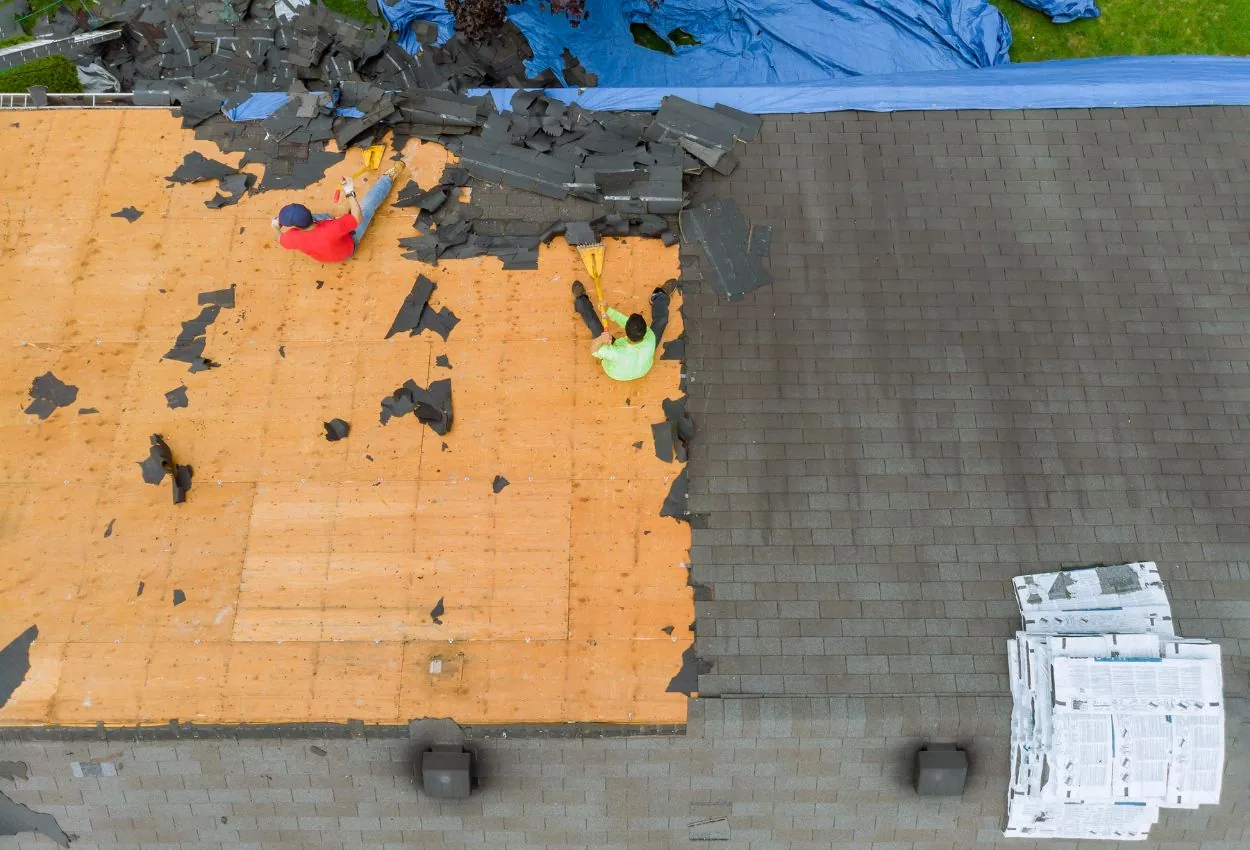
For intake, send the Meridian street number, reported roof zone, prior work notes, and site representative. The representative identifies the hatch, unloading point, escort, and any room needing safeguards. Urgent calls are accepted nights and holidays as well as regular workdays. A phased occupied-building plan can sequence work when tenants or operations must continue.
Surface moisture, temperature, material availability, lift access, and equipment work affect timing. If weather prevents permanent repair, dispatch records the condition required for return. The owner receives a clear work limit and next step.
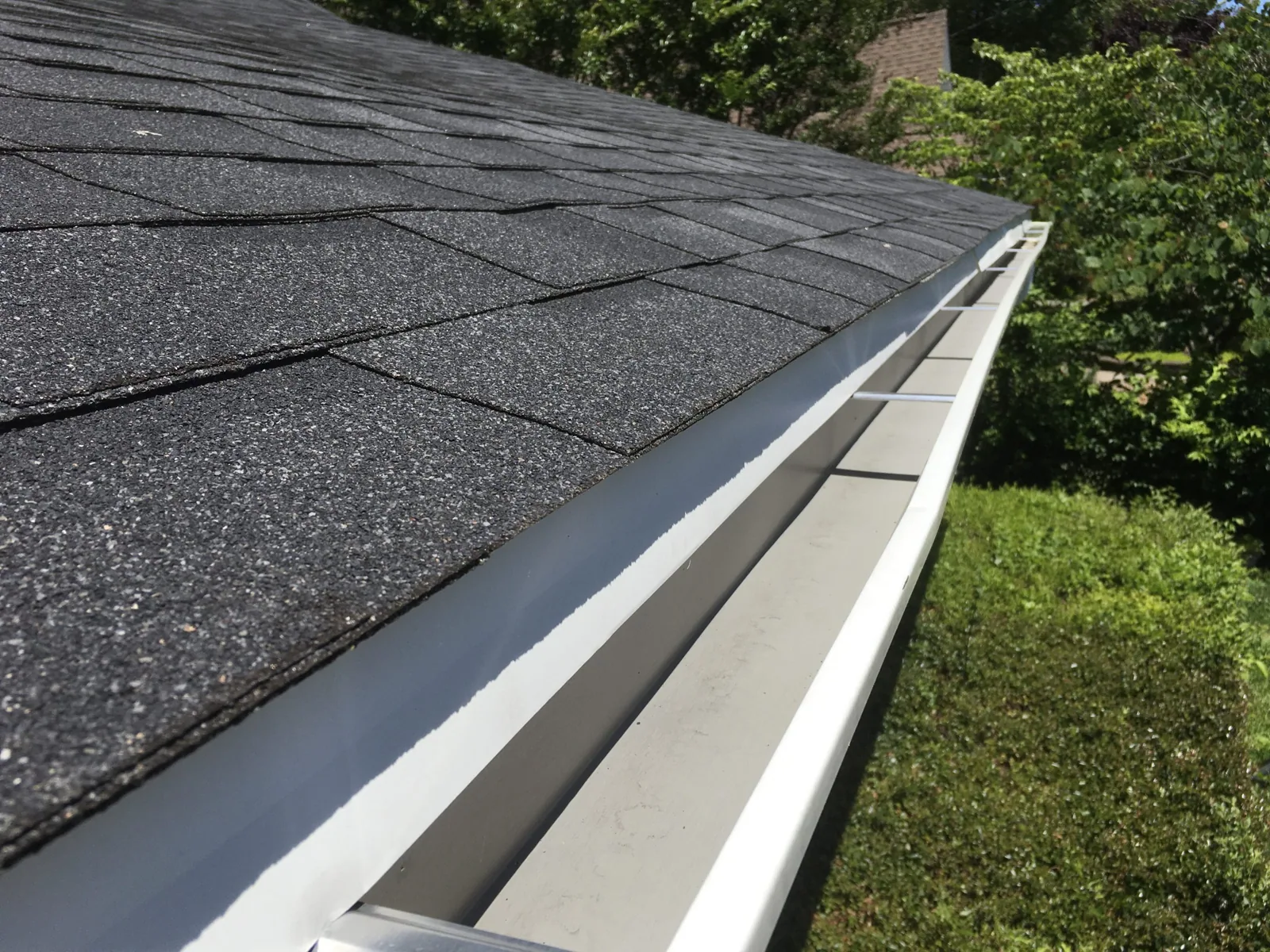
Closeout records the material, repair detail, work boundary, dated photos, and areas left unopened. A preventive maintenance program can revisit drains, seams, curbs, and edges on an owner-approved schedule. For an asset-wide view, roof condition reporting helps compare findings between visits without treating separate buildings as identical.
For a new service call, give the building number, immediate concern, and the contact who can provide roof entry. We verify the target zone at arrival and scope only the approved work.
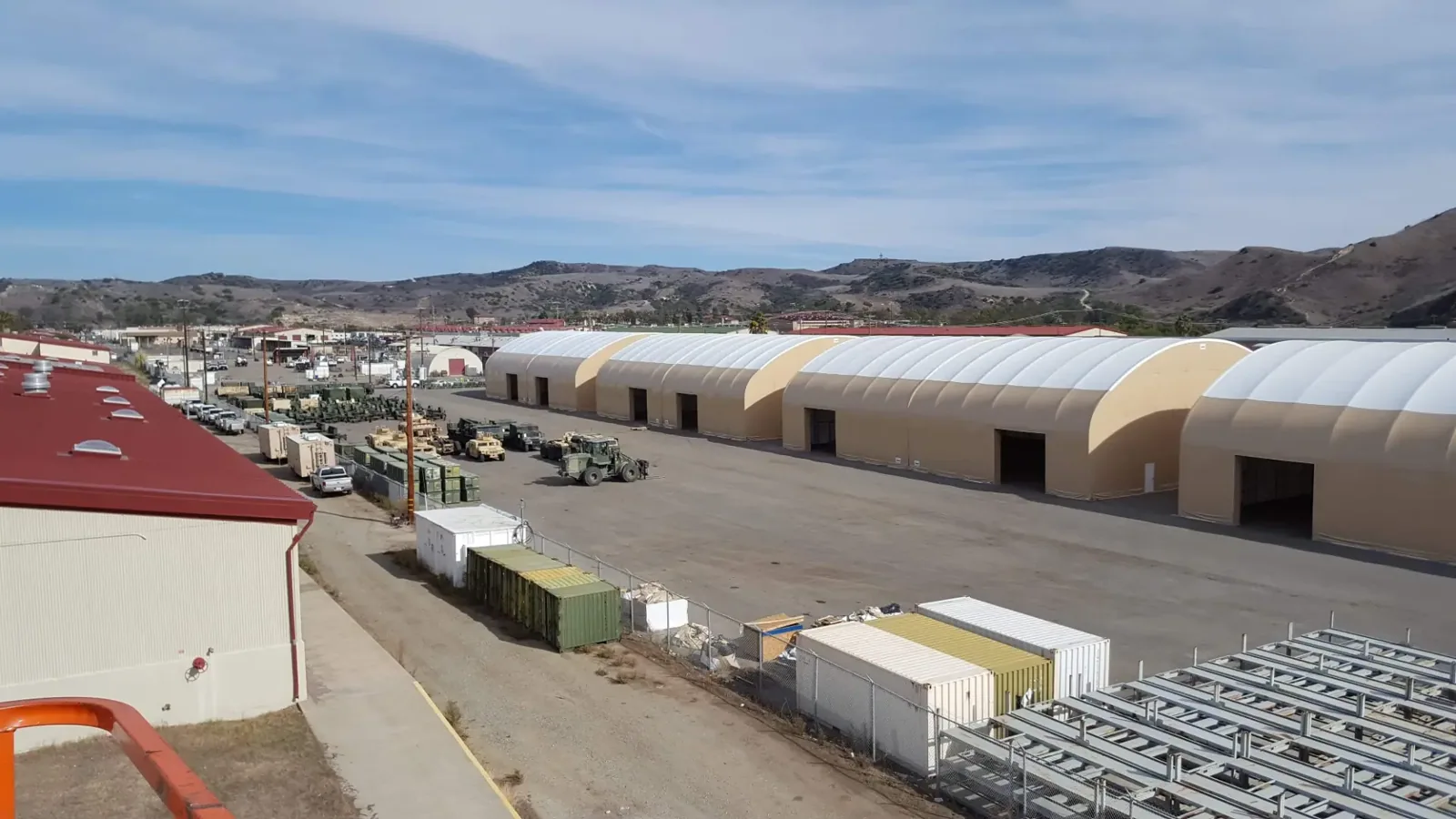
Provide the Meridian address, active leak location, recent roof history, and access contact. Dispatch will set the first visit around the building’s operating window.
Give dispatch the Meridian address, reported roof or interior location, recent service notes, and access contact. Include operating hours and any rooftop equipment work.
Yes. A defined repair can address a confirmed defect while broader testing or replacement questions remain open. Dispatch notes show what was completed and what needs another decision.
The repair scope names the roof section, visible condition, measured quantity and tie-in. Concealed damage or testing remains a separate item until confirmed.
Testing can clarify wet insulation, deck condition or assembly layers when those findings could change removal limits. We record the test point and its restoration plan.
Call 555-555-5555 or fill out the form and we will be in touch.