PVC Commercial Roofing in Meridian, ID

Inspect commercial PVC roofing in Meridian, ID with weld checks, flashing review, rooftop equipment coordination, and repair planning.

PVC Commercial Roofing

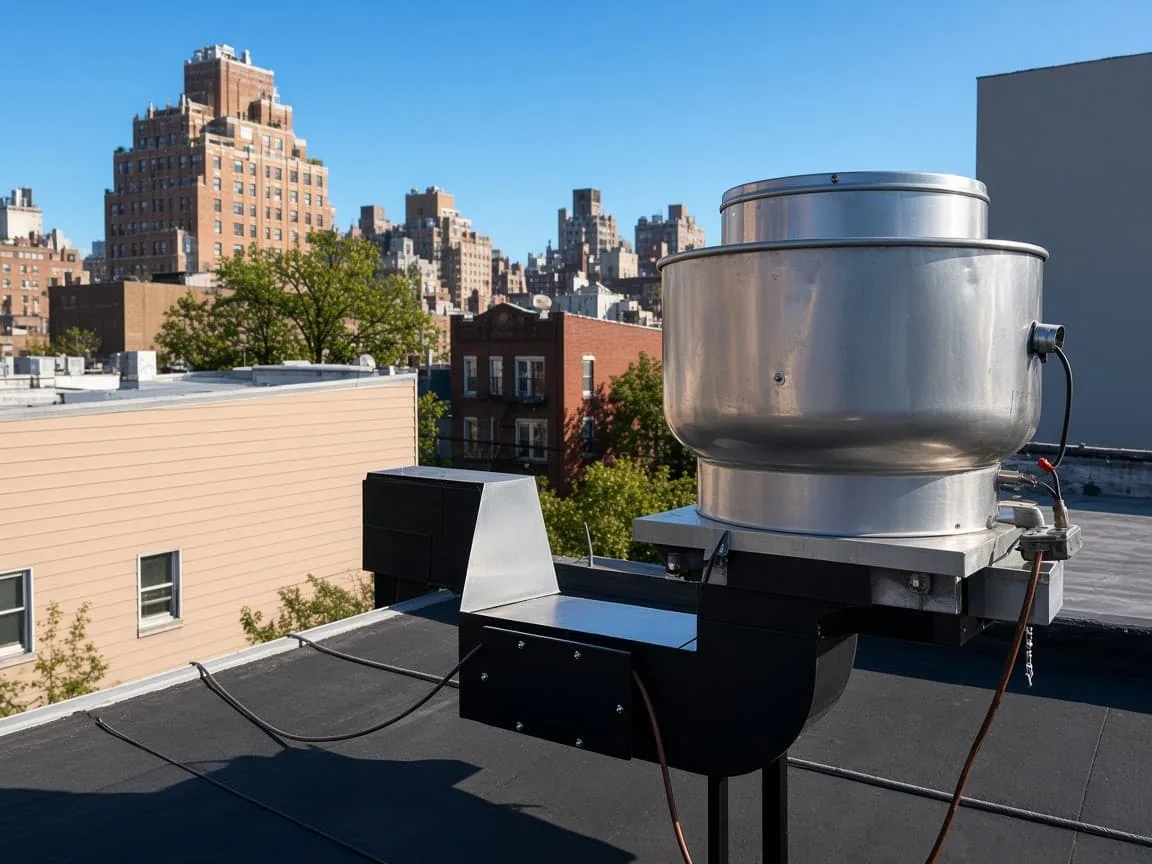
A pinhole beside an exhaust curb leaves a PVC detail to inspect. In Meridian, we check the membrane field, welded laps, curb corners, and drain tie-in. The facility contact identifies the affected room and roof access. We record the first visible condition and nearby service work. The opening may be small. The repair boundary follows the sound material around it.

Boise Air Terminal is a nearby climate proxy. July average highs reach 92.7°F, based on the Boise Air Terminal regional proxy. January precipitation averages 1.41 inches, from nearby Boise Air Terminal climate records. We use those regional readings to frame heat and winter drainage reviews. The roof itself decides the repair. At Ten Mile Crossing, office, retail, restaurants, and medical spaces call for building-specific access coordination.

Check PVC welds and details

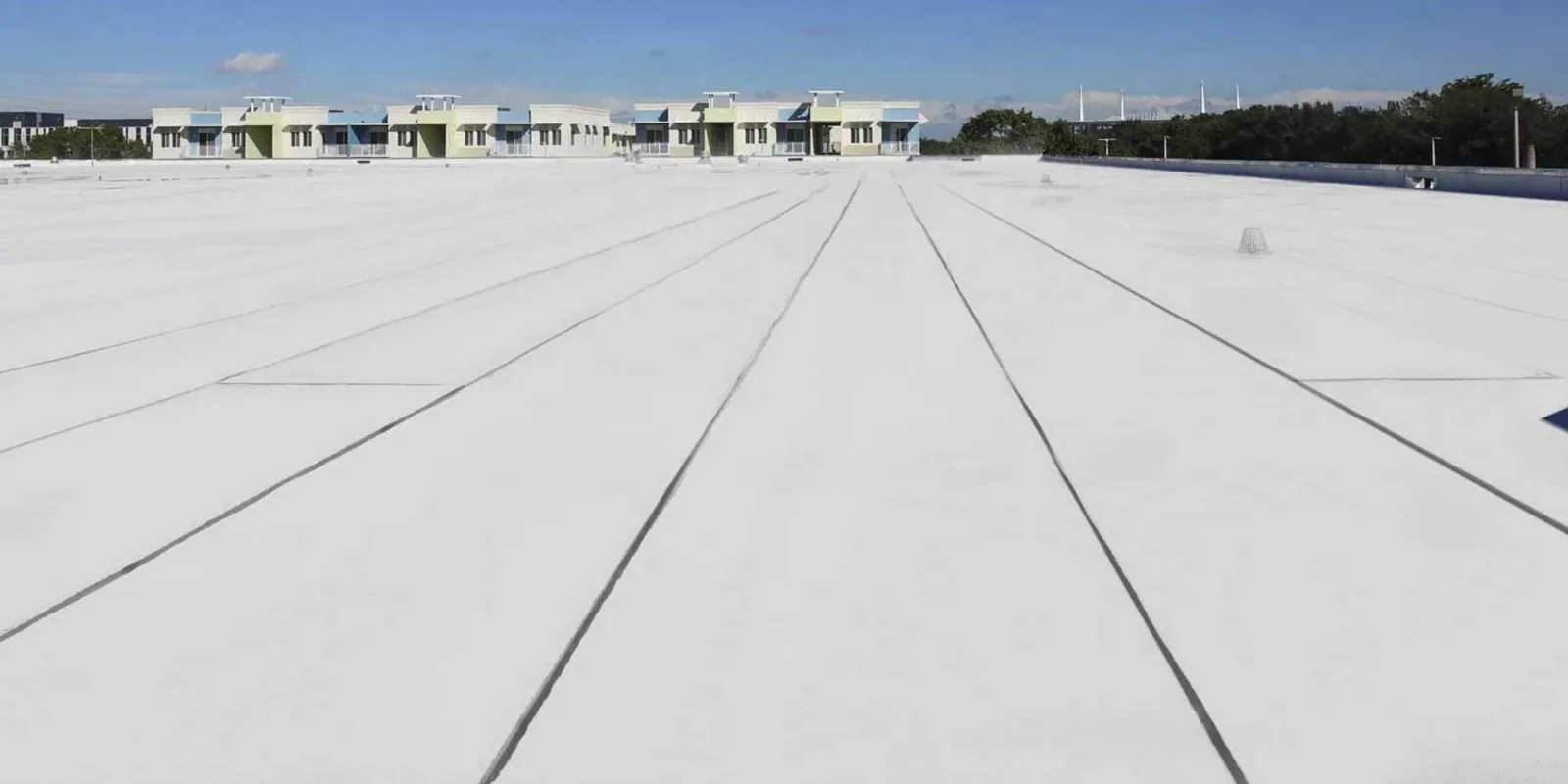
PVC seams are heat welded. We inspect for open laps, contamination, fishmouths, wrinkles, and patches that have separated. A probe can identify a weak section, but the repair still needs clean preparation. We photograph the seam and nearby membrane. The record names the roof area and notes whether access limited the check.

Kitchen exhaust, chemical discharge, rooftop units, and service traffic can affect roof details. We inspect around the unit perimeter and along the service route. We ask whether recent mechanical work crossed the membrane. The site contact may have service photos or a work order. We compare those records with the observed PVC condition before assigning a cause.

A surface review may not show moisture below the sheet. We review interior reports and identify test locations where needed. A moisture scan can guide closer checks, while a test cut can verify layers at one point. We report what each method confirms. We do not treat temperature patterns as proof of wet insulation.

Select a compatible PVC repair

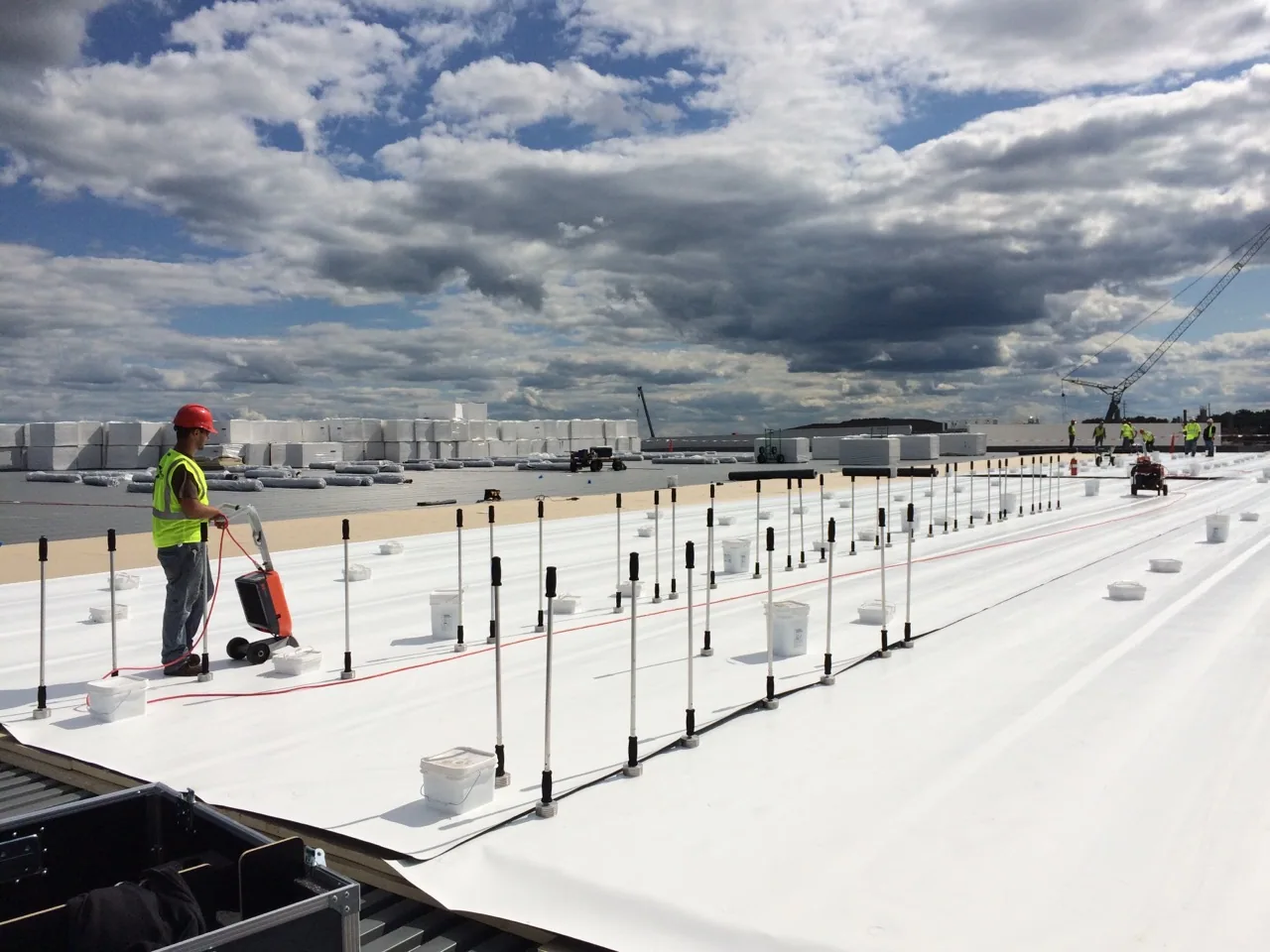
Repair material must match the installed membrane and detail. We prepare the PVC surface, remove unsound material, and weld a compatible patch into stable sheet. Corners and penetrations may need a reinforced detail. A sealant bead alone does not restore a failed lap. The work order states the repair size, preparation, and tie-in area. PVC needs a clean surface that can accept the selected weld method. We check surface contamination and prior patch edges. Loose material is removed before the repair begins. If the membrane cannot support a sound connection, we identify another scope rather than add a patch over a weak layer.

PVC and TPO both use heat-welded seams, but the formulations and compatible repair methods differ. We identify the actual membrane before work. If a roof has several generations of repairs, we check whether each patch is bonded and sound. Repeated seam failures may indicate a broader condition. We map the pattern and compare a repair with recover work or replacement.

For a new project, an owner can compare PVC with TPO roofing or KEE membrane. We discuss roof geometry, attachment, drainage, equipment, and planned service traffic. We do not select by color alone. The assembly needs compatible flashing and terminations at every transition.

PVC Commercial Roofing in Meridian, ID

Follow water around penetrations

We inspect the curb high side, corners, pipe boots, drains, and wall transitions. Water can travel under a membrane or along insulation before reaching the ceiling. We trace from the reported interior area toward likely entry points. We inspect the PVC field and nearby details. A stain does not identify the leak source on its own.

Drain bowls and scuppers need clean terminations. We check strainers, overflow openings, membrane clamping details, and visible low areas. Debris or a loose connection can hold water against the PVC. We record the condition and distinguish cleaning from repair. If ponding repeats, the owner may need drainage review before another membrane patch.

At The Village at Meridian, dining and retail operations can affect service windows. We coordinate with the building contact. A drain inspection can address an outlet separately from membrane repair. A separate curb review can capture equipment-side flashing and support conditions.

PVC Commercial Roofing in Meridian, ID

Coordinate repair and site activity

We confirm the roof hatch, escort, delivery point, and equipment restrictions before dispatch. The mechanical contact identifies active units and any shutdown limits. We agree on a work area that keeps service paths open. If a curb or line blocks the repair, the site contact schedules the trade needed for access.

Heat, moisture, and wind affect welding conditions. We check the surface and forecast before opening the work zone. Cold conditions may require a later visit. We follow product and safety requirements. A roof temperature that falls outside the material limits may require a return visit. We tell the facility contact before changing the schedule. If an active leak needs immediate protection, dispatch can arrange a separate emergency response while the permanent PVC repair waits for suitable conditions.

The building contact receives a status before the crew leaves. We identify finished work, open seams, and zones that need another access window. The owner can route those notes to the facility team before the next shift begins. We state which seams were repaired, which areas remain open, and whether a return is needed. Dispatch notes retain access details for the next visit. A maintenance check can revisit drains and seams after other roof traffic.

PVC Commercial Roofing in Meridian, ID

Record the membrane condition

We photograph the repaired PVC seam and its surrounding field. The report identifies preparation, repair material, and boundary. If a test cut found wet insulation, we include its location and result. Unresolved areas stay on the open-items list. The owner can compare that record with later leak reports.

Long-term care includes drain checks, seam observations, and review after equipment service. A condition record can hold repair photos and test results. Managers can compare recurring defects by roof area. If several sections show failure, we outline a broader inspection rather than repeat isolated patches without review.

Send the Meridian address, PVC repair history, reported leak location, and access contact. We will inspect welds, flashing, and drainage. The report identifies the likely repair boundary and whether concealed testing is needed. The facility team receives a clear status and follow-up step.

Can a PVC seam be rewelded?

A sound surface may accept a compatible weld repair. We check contamination, brittleness, and patch history first. The method follows the installed membrane and the condition around the opening.

Does a chemical mark mean the PVC membrane has failed?

A mark needs inspection before cause or damage is assigned. We check its extent, nearby seams, and surface condition. The owner can provide information about recent exhaust or maintenance work.

What should be included in a PVC roof repair record?

Include roof zone, photos, preparation, repair material, and any test results. We also list inaccessible areas and open recommendations. That record helps later inspections find the same seam.

When does a PVC roof need a larger review?

Repeated weld separation, wet insulation, or widespread brittleness can expand the scope. We map each area and explain whether additional testing, recover, or replacement should be compared.

Locate the PVC seam or curb

Send the Meridian address, affected room, PVC repair history, recent service work, and roof access contact. We will inspect the membrane and document compatible repair options.

Call 555-555-5555 or fill out the form and we will be in touch.

Got a Leak?

For active leaks, storm damage or other urgent roof problems, call us directly at: 555-555-5555.

ServicesRoof SystemsProperty TypesIndustriesService AreasDamage RepairCapabilitiesManufacturersAboutRequest a Roof Assessment555-555-5555
Call555-555-5555