Data Center Roofing in Meridian, ID

Data center roofing in Meridian, ID requires controlled access, leak mapping, and careful coordination around equipment. We document each roof-zone decision.

Data Center Roofing

A moisture alarm below a rooftop unit needs a controlled roof-side inspection. We check the unit perimeter, nearby seams, drains, and flashing while following the facility's access rules. Dispatch needs the Meridian address, reported zone, roof history, escort contact, and any restricted work hours. A data center may have sensitive operations below the roof. We coordinate the inspection boundary with facility staff before entering or staging equipment.

Keep the Inspection Inside the Approved Zone

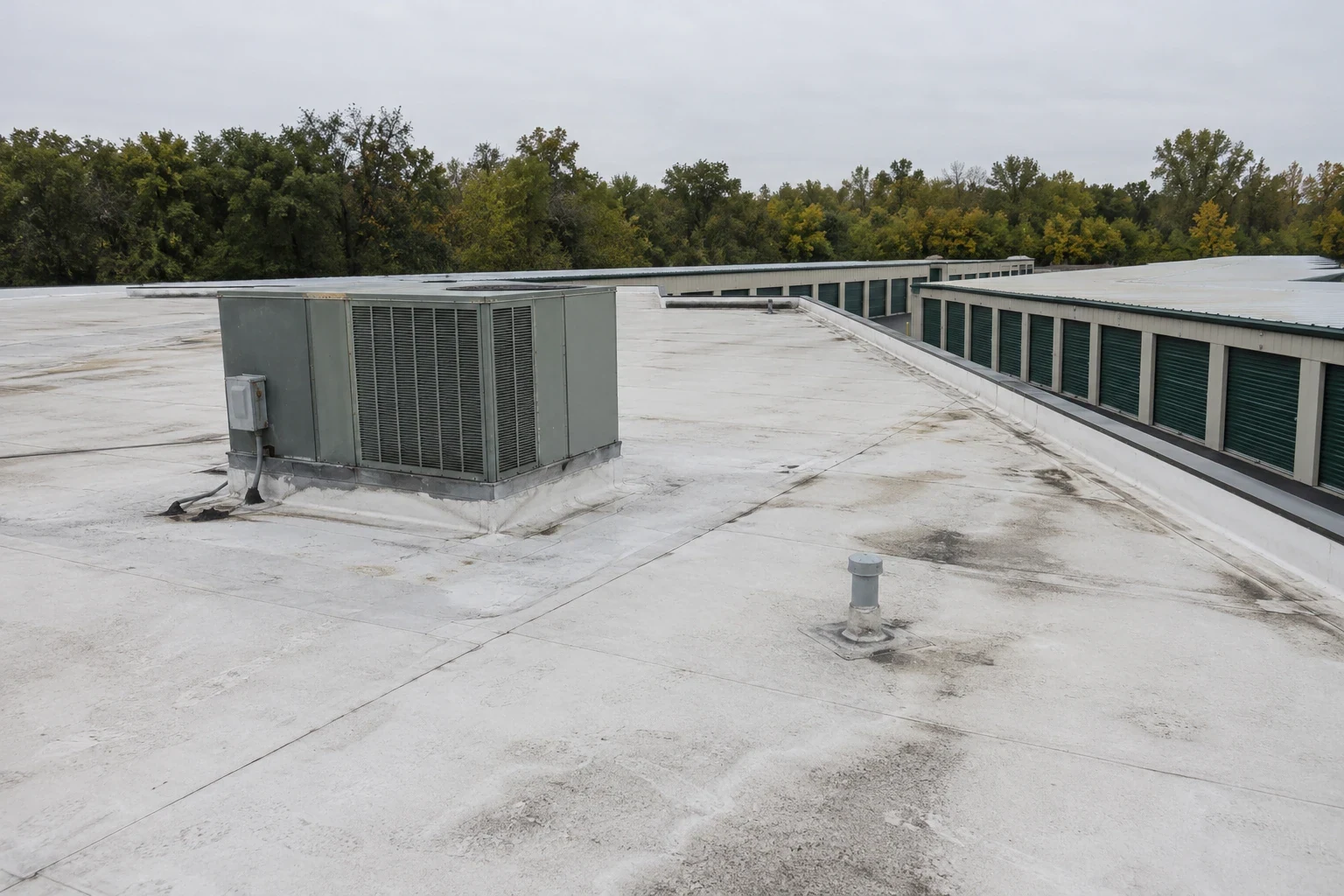
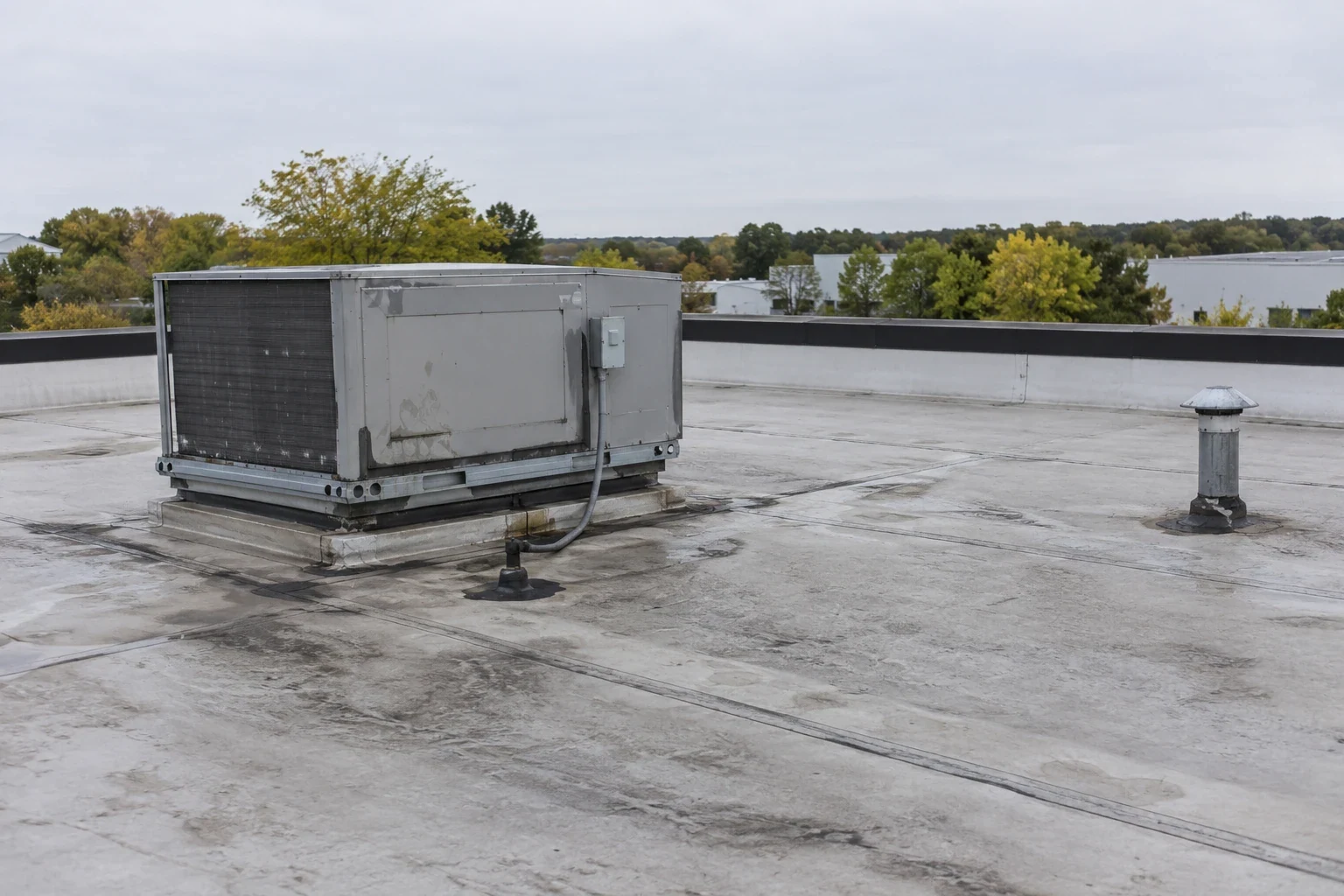
We map the roof by unit rows, service routes, drains, curbs, and perimeter details. The first read checks open seams, membrane movement, flashing, and attachment near the reported area. We note any surface or interior evidence without assuming the roof above a server room is the source. Photos and plan references show the observed condition and the locations that remain inaccessible.

Access controls matter for every roof visit. The facility contact identifies escort requirements, hatch procedures, tool restrictions, and work that could affect airflow or equipment. If a test cut is considered, we describe the proposed location, expected opening, and closure method before requesting approval. We do not open a roof zone without the required site authorization. Any approved testing is logged with photos and exact location.

Meridian recorded growth in advanced manufacturing, information technology, professional services, and healthcare in the city's 2021 employment report. That broad local context does not establish a particular facility's systems or roof assembly. We assess the property directly. A site near I-84 may have different material delivery rules than an office setting near Eagle Road. Facility operations determine the access plan.

Trace the Entry Route

A ceiling sensor or interior mark gives a starting location, not a confirmed entry point. We inspect the roof above and around it, then follow likely paths to drains, seams, curb corners, wall transitions, and penetrations. Water may travel beneath membrane or insulation. We compare the alert timing with the roof layout and any recent equipment work the facility reports.

Drainage needs direct review, especially around equipment pads and service walkways. We check drain bowls, strainers, overflow paths, and low areas. Boise Air Terminal reports a 25.4°F average December daily low. We use that nearby winter reference while reviewing each roof zone directly. We look at the actual roof for restrictions, ponding, and vulnerable transitions, then document the conditions by zone.

Infrared review can help direct testing when roof and weather conditions support it. A test opening may confirm insulation moisture or deck condition, but the sample represents that location only. We map the opening and restore it with compatible materials. If a data hall or equipment area needs protection below, the facility team sets that control before testing. The report separates verified roof findings from any open operational concerns.

Data Center Roofing in Meridian, ID

Define a Controlled Repair

A localized seam, curb, or penetration repair can limit disturbance when sound roof material surrounds the defect. We identify the installed system, prepare the area, and restore the transition with compatible materials. A repair near cabling, ventilation, or electrical equipment requires a defined work perimeter and facility coordination. If moisture extends beyond the visible defect, testing may change the scope before closure.

For broader roof deterioration, we compare repair, recover, and replacement after reviewing moisture, attachment, drainage, and structural conditions. A new assembly can affect equipment supports, service paths, and perimeter heights. We document those interfaces before proposing a phased plan. Coating restoration may suit a sound, dry surface, but it does not resolve wet insulation or failed attachment. Each option includes the building constraints that control execution.

Data center projects may include drone roof inspection, infrared review, or localized repair. We can compare TPO and PVC systems against the existing assembly and operating requirements. A nearby office building may have different roof access controls.

Data Center Roofing in Meridian, ID

Coordinate Every Roof Entry

Before mobilization, we confirm escort, badge, roof-hatch, staging, and communication procedures with the site contact. The crew receives a defined access route and work boundary. If equipment must remain online, we coordinate clearances and avoid work that affects the service path. Facility rules control entry and any hot work, testing, or temporary shutdown.

We agree on the daily closure point and weather plan before opening a roof section. Material staging cannot block drains or emergency routes. If a mechanical or electrical contractor needs access to the same curb, we schedule the handoff and confirm which party restores the flashing. Dispatch notes identify the person who can approve a field adjustment and how the facility wants the change recorded.

If water is active, facility staff can reach dispatch day or night, holidays included. A first roof review can identify temporary protection options. Permanent work may require an approved access window, test results, and suitable weather. Cost and schedule depend on security procedures, escort availability, roof height, testing, material movement, and the number of equipment transitions. We list those constraints before work starts.

Data Center Roofing in Meridian, ID

Preserve the Access and Repair Record

We log the inspection route, approved work zone, materials, photos, test locations, and completed closure. We add a dated reference for later access and maintenance reviews. The report identifies any areas that were not accessible. Facility staff can retain the record alongside maintenance and incident logs. If an alert returns, the team can compare location and timing with prior findings rather than treating it as the same event.

Follow-up checks can revisit seams, drains, unit perimeters, and flashing after mechanical service. New penetrations or support work should be documented and reviewed for roof continuity. A roof condition report can keep findings organized by zone. A maintenance visit can use the same access window and inspection route.

Meridian's climate reference and operating settings differ by site. We can coordinate an inspection near Silverstone Business Park or, with access details confirmed for each property. A warehouse facility may also need freight controls, but its roof record remains separate.

Can you inspect a data-center roof without disrupting operations?

We follow the facility's access and escort rules, define the roof zone, and coordinate any equipment or airflow restrictions. The site contact approves testing and interior controls before work proceeds.

Do you need to shut down equipment for a roof repair?

Not always. We identify the equipment perimeter and service requirements, then coordinate with facility staff. Any shutdown or clearance is determined by the operator and included in the work sequence.

How do you investigate an alarm below the roof?

We compare the alert location with seams, drains, curbs, and the likely water route. Moisture review or a test opening may be recommended when the assembly remains uncertain.

What does the repair record include?

The record notes the approved zone, access route, photos, materials, testing, and closure. It also identifies areas not reached during inspection and any condition still requiring facility review.

Coordinate a Data Center Roof Read

Send the Meridian address, reported zone, roof history, escort contact, and restricted work hours. We will confirm access controls before the first inspection.

Call 555-555-5555 or fill out the form and we will be in touch.

Got a Leak?

For active leaks, storm damage or other urgent roof problems, call us directly at: 555-555-5555.

ServicesRoof SystemsProperty TypesIndustriesService AreasDamage RepairCapabilitiesManufacturersAboutRequest a Roof Assessment555-555-5555
Call555-555-5555