Commercial Roofing at Eagle View Landing, Meridian, ID

Roof inspections and repairs at Eagle View Landing in Meridian, with access planning for office, retail, medical, and corporate campus properties.

Eagle View Landing

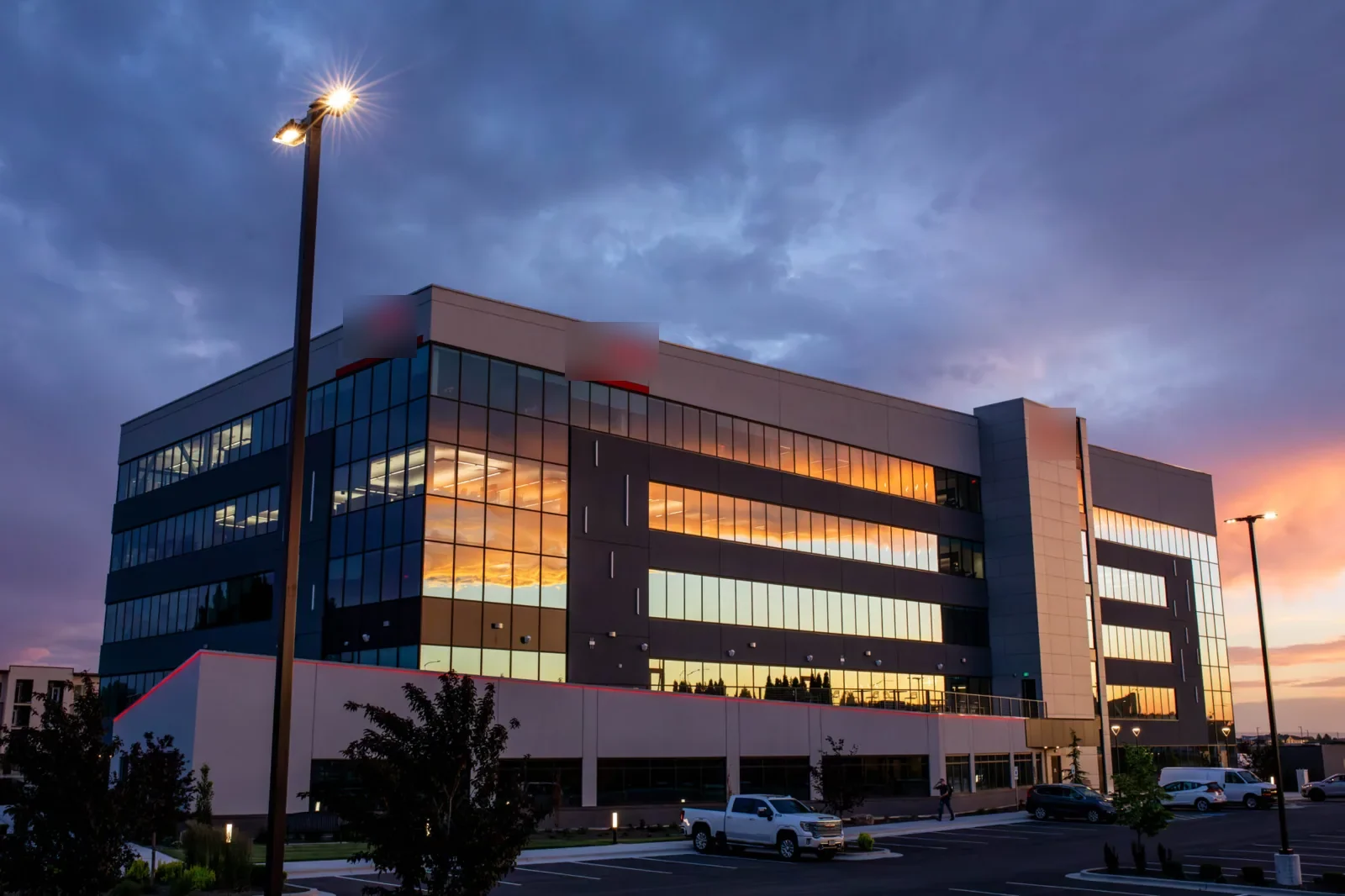
A loose curb corner at Eagle View Landing calls for a close roof read. We check the curb, nearby seams, drain path, and interior report before setting a repair boundary. The property contact sends the Meridian address, active leak location, roof records, and access instructions. Eagle View Landing covers 73 acres at the southeast corner of Eagle Road and Interstate 84. The 73-acre project has planned and existing office, medical, retail, and corporate-campus uses. Power Engineers and several office buildings are among the campus properties. We confirm the specific building and roof access before dispatch.

July daily highs at nearby Boise Air Terminal average 92.7°F. Those July normals provide seasonal context for Meridian. At the property, we inspect the membrane and details directly. Heat review starts with the installed membrane, exposed details, and surface condition. A roof inspection visit records those findings by area. Dispatch notes identify what is visible, what needs testing, and which part of the roof remains outside scope.

Check the Building Before Naming the Repair

Office, retail, and medical uses can involve different contacts and operating hours. Those uses do not tell us the roof type. We confirm the assembly from records, labels, and visible construction. The first walk checks field seams, wall transitions, curb corners, edge metal, drain bowls, and overflows. We photograph each defect beside a roof-plan reference. A ceiling mark helps locate a concern, but it does not prove where water entered.

At an equipment curb, we look for separation at the vertical flashing, movement at the unit perimeter, and seam pull beside the detail. We check whether a patch overlaps sound sheet or bridges another failure. At drains, we record debris, standing water, bowl condition, and overflow route. The report distinguishes a visible defect from a suspected water path. When interior access is unavailable, we mark that limit. A condition report with photos gives facilities staff a dated record to compare with later calls.

Eagle Road and I-84 provide location context, not loading instructions. The site contact confirms the entrance, escort, hatch procedure, and any quiet window. Inspection can remain separate from repair authorization.

Trace Water Without Guessing

A stain beneath a curb may connect to a seam, drain, or wall transition. We compare the reported room with roof slope and nearby details. Photos show the suspected route separately from confirmed openings. If concealed insulation could change the repair boundary, we explain the test point and question it should answer. The property representative approves any opening and protection below. An infrared moisture survey can help locate temperature patterns for closer review, but it does not establish moisture by itself.

Winter drainage deserves a separate look. Nearby Boise Air Terminal normals show January mean precipitation of 1.41 inches and a December mean daily low of 25.4°F. Those values describe the regional station. They help frame checks for freeze exposure, drain function, and overflow paths. We inspect the building directly for ponding, backed-up outlets, split flashing, and wet insulation. A historic stain can remain after a repair, so we compare it with current conditions before calling it active.

A test opening answers only its sampled location. We label the roof zone, photograph exposed layers, and record closure. One dry sample does not clear adjacent areas. The report identifies any next inspection needed.

Eagle View Landing in Meridian, ID

Set a Repair That Fits the Finding

A local commercial roof repair can fit when the membrane, attachment, and substrate remain sound around the defect. We define preparation, compatible material, tie-in, and repair edge. If curb flashing has failed but the field sheet remains intact, work can stay near that transition. If wet insulation or a damaged deck extends past the first opening, the owner reviews a wider scope before removal continues.

Roof system matters at the tie-in. A TPO repair needs a compatible detail and sound weld area. A PVC assembly requires the correct material and preparation. We verify the installed sheet before selecting work. A roof TPO system and a PVC roof assembly can look similar from a distance, but their repair materials are not interchangeable by assumption. Records, markings, and field inspection guide the choice.

Replacement or recover becomes a separate decision when connected defects recur, insulation holds moisture, or attachment cannot support a localized fix. Recover requires review of existing layers and drainage. Replacement may need equipment coordination, tenant notice, removal, disposal, and temporary protection. We price after the area, access, materials, and scope are clear. Roof height, lift needs, preparation, material availability, and weather affect timing.

Eagle View Landing in Meridian, ID

Choose an Access Window

Before dispatch, the site lead confirms entrance, staging, roof hatch, escort rules, work hours, and interior restrictions. A medical office may have sensitive rooms below. Retail operations may need a delivery path left clear. We ask which conditions apply to this building and record the approved route. A second trade working at the same unit can change the sequence, so we coordinate the curb handoff before closing a repair.

Emergency response is available day or night, including holidays. The first visit records active entry and any owner-approved temporary control. If the surface is too wet for permanent work, dispatch records the constraint and next step.

Send the address, roof plan, leak location, prior repair photos, and access contact. Include recent HVAC work and any photography limits. Dispatch will set a window around the operation. If your team also manages a roof at Ten Mile Crossing or Downtown Meridian, we record each address and access plan separately.

Eagle View Landing in Meridian, ID

Keep the Roof Record Usable

Closeout photos show preparation, installed material, tie-in, and repair boundary. We note tests and nearby areas not opened. The owner receives the location, material description, and remaining items. A later stain gets a new date and roof-zone reference until inspection connects it with this work.

Preventive checks can revisit drains, seams, flashing, and equipment supports before winter conditions. A roof maintenance visit can track a known curb or outlet without treating every visit as a replacement project. If the property changes tenants or service contacts, the roof map helps the next representative find the documented area. The owner controls maintenance timing and approves each task.

For an Eagle View Landing inspection, send the Meridian address, leak location, roof history, and access contact. Dispatch will confirm the building and set the first visit. We tie recommendations to observed conditions and test results.

Can you inspect an office roof without interrupting tenants?

The access window sets the plan. We confirm hatch access, escort needs, quiet hours, and interior restrictions with the building contact. Most roof observations happen above occupied space, but any test opening or interior review needs separate approval. The inspection record lists areas we could not enter.

What information helps dispatch find an active leak?

Start with the room or equipment area where water appeared. Add the roof plan, recent repair history, and a contact who can release the hatch. We compare the interior report with nearby seams, drains, and curb corners. The first visit records the suspected route and any visible opening.

How do nearby climate normals guide Meridian roof inspections?

Nearby Boise Air Terminal normals help plan seasonal checks in Meridian. Shade, orientation, surface material, and equipment affect roof surfaces. We inspect the exposed membrane and details, then record any heat-related wear.

When is a test cut useful at a campus property?

A test cut helps when concealed insulation or deck condition could change the repair boundary. We identify the question, location, and protection needed below before opening material. The owner approves the work. Findings apply to that sample, and the opening is closed and photographed.

What can change the timing of a repair?

Access, roof height, surface moisture, material compatibility, equipment conflicts, and tenant scheduling can all affect the sequence. A repair that needs dry preparation may wait for suitable conditions. We list the constraint and next step in dispatch notes before permanent work proceeds.

Set the First Roof Visit

Send the Eagle View Landing address, active leak location, recent roof history, and site access contact. Dispatch will confirm the building and set an inspection window.

Call 555-555-5555 or fill out the form and we will be in touch.

Got a Leak?

For active leaks, storm damage or other urgent roof problems, call us directly at: 555-555-5555.

ServicesRoof SystemsProperty TypesIndustriesService AreasDamage RepairCapabilitiesManufacturersAboutRequest a Roof Assessment555-555-5555
Call555-555-5555