Identify the Roof System
Call 555-555-5555 or fill out the form and we will be in touch.
Compare commercial membrane, metal, foam, and coating systems with inspection and repair considerations for Meridian facilities and options.
A roof system is a set of connected materials, not a product name alone. We identify the membrane or panel, attachment, substrate, drainage, and edge details before recommending repair or renewal. Meridian’s dry summer heat and freezing winter nights make direct checks of exposed seams, transitions, and drains useful. Nearby Boise Air Terminal normals supply seasonal context for Meridian. Direct inspection establishes each roof condition.
A facility near Eagle Road may have different access conditions from a property at Ten Mile Crossing. The roof plan and site contact determine what we can inspect.
We inspect field seams, flashing, curbs, penetrations, drains, and prior repairs. Records, visible markings, and construction details help confirm the system. A photo condition report separates observed material from assumptions. If layers are concealed, an approved test cut can show one location without representing the rest of the roof.
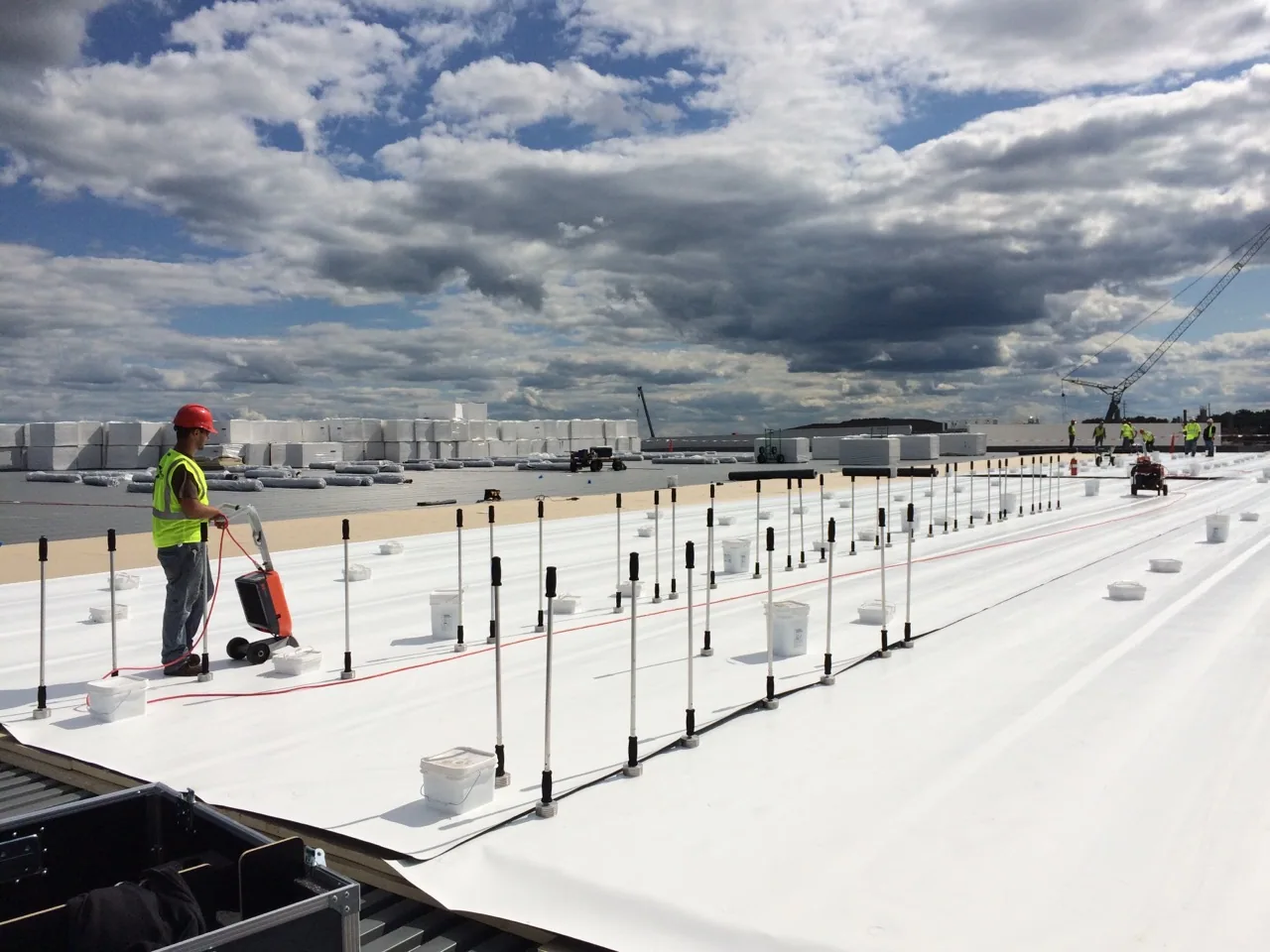
Single-ply membranes include TPO, PVC, EPDM, and KEE. Each has distinct seam and repair requirements. We match patch material and preparation to the verified membrane.
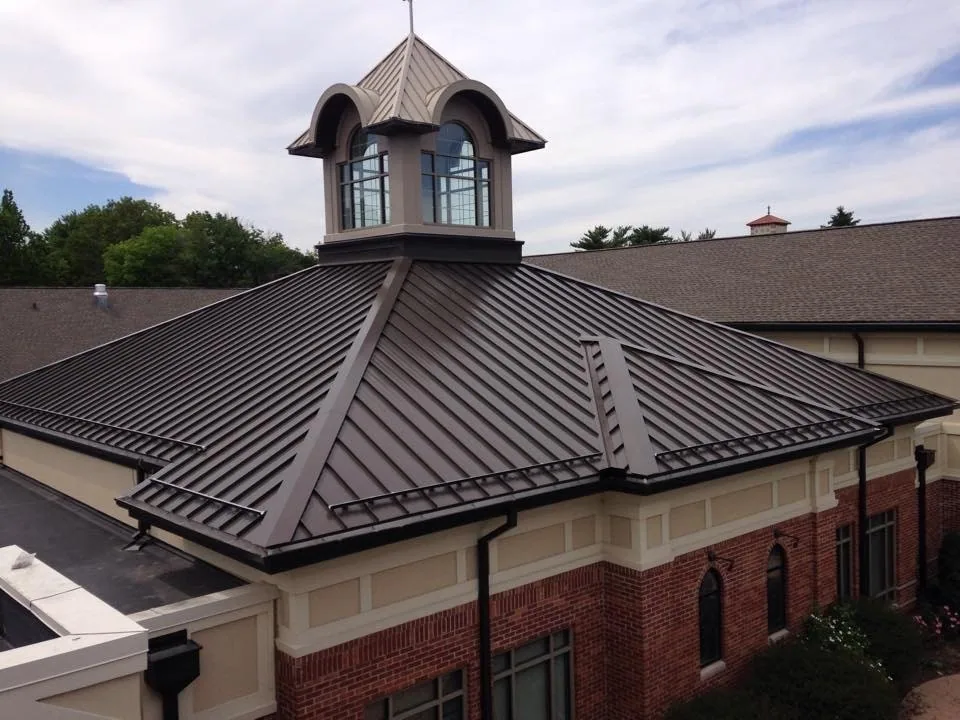
Modified bitumen and built-up roofing use layered assemblies with their own flashing and repair details. Standing-seam metal depends on panel joints, clips, and transitions. A metal retrofit may preserve existing panels only when the substrate and attachment support it.
Spray foam and silicone coating need compatible surfaces, dry conditions, and prepared edges. An acrylic system has different application conditions. Coating is not a substitute for wet insulation, loose attachment, or failed deck. We define the repair boundary and unresolved questions before work.
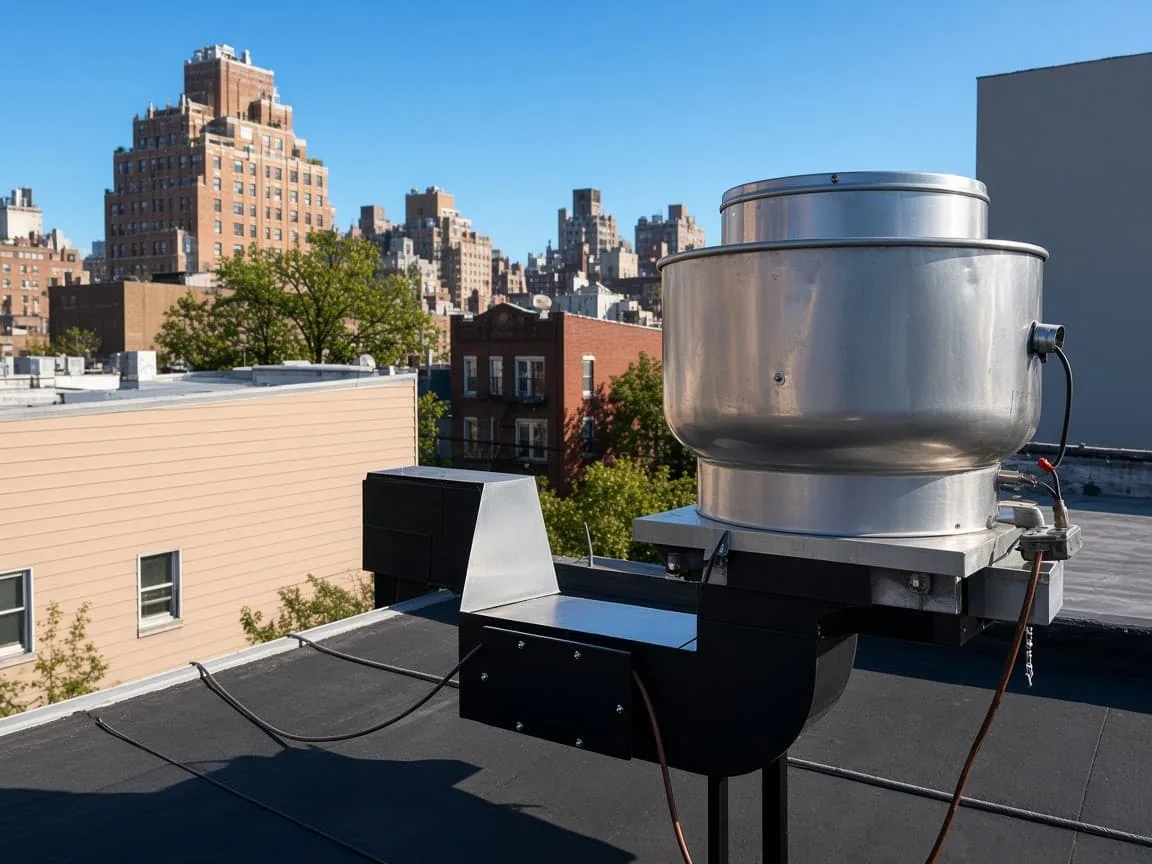
Material availability, roof temperature, surface moisture, lift access, equipment coordination, and operating hours affect timing. Recover depends on layer count, attachment, deck, and drainage. Replacement adds removal, disposal, and protection below. A commercial roof inspection records the conditions needed to compare those paths.
Before the system review, identify the property, affected roof section, recent repairs, and person controlling access. We can take urgent calls after hours and on holidays. Weather or moisture may postpone installation; the Diligence Notes states the prerequisite for rescheduling.
Closeout identifies the installed assembly, material used, repair detail, work limit, and dated photographs. A future report begins with its own location until inspection supports a connection. Preventive maintenance can revisit seams, drains, curbs, and edges on an owner-approved schedule.
Send the building address, reported condition, and site contact. We confirm the roof zone, document the assembly, and recommend only work supported by the inspection.
Provide the Meridian address, roof history, reported defect, and access contact. We will inspect the assembly and document the repair or renewal options.
It narrows the choice, but we also check seam type, surface condition, attachment, and substrate. Compatibility follows the installed assembly and the detail being repaired.
We inspect the surface, transitions, and moisture conditions first. If hidden layers could change the recommendation, we explain the test needed before proceeding.
We compare attachment, wet insulation, deck, drain height and edge transitions. A recover quantity follows only where the existing assembly can support another layer.
A test cut exposes the layers at one approved point. Dispatch records the materials and condition there, then keeps that evidence separate from untested roof areas.
Call 555-555-5555 or fill out the form and we will be in touch.