KEE Commercial Roofing in Meridian, ID

Review KEE commercial roofing in Meridian, ID with weld checks, flashing review, substrate testing, drainage observations, and repair planning.

KEE Commercial Roofing

A raised edge on a KEE weld near an overflow needs a closer pass. In Meridian, we check the weld, field membrane, flashing, and drainage route. We ask who can provide roof access and whether the area was recently serviced. The photo log marks the raised edge and nearby transitions. The repair boundary follows sound material, not the full roof by default.

Boise Air Terminal records about nine days a year with highs at or above 100°F. That regional proxy frames heat review. We inspect each KEE assembly directly and check field welds after surface exposure. We inspect each KEE assembly directly. At Silverstone Business Park, office access and delivery routes need building-level confirmation.

Inspect welds and sheet condition

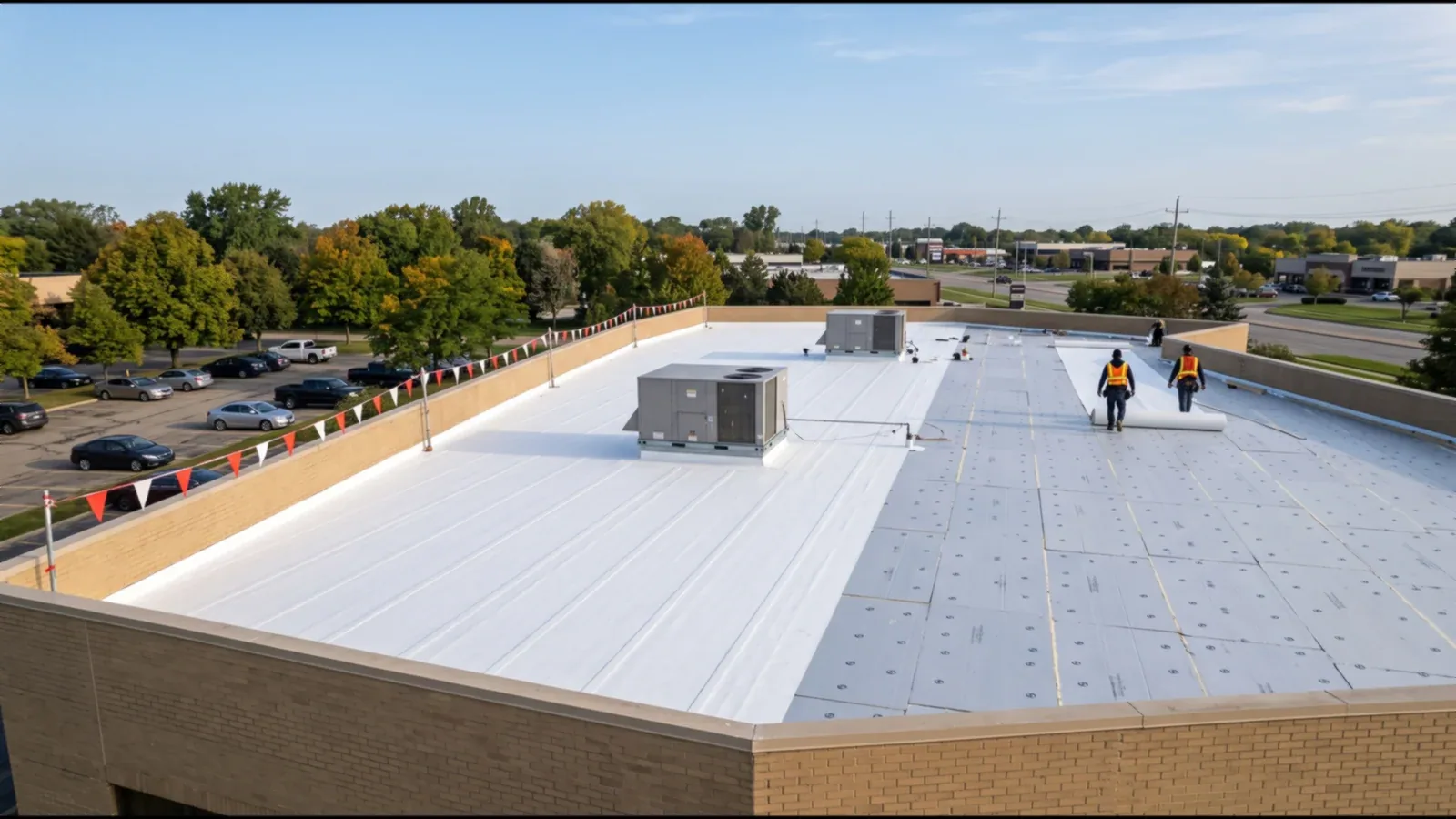
KEE membranes use a PVC-alloy formulation. We inspect seams, patches, penetrations, and exposed field areas. The check looks for open welds, wrinkles, punctures, contamination, and surface changes. We probe suspect seams where appropriate. Photos show the defect and surrounding membrane. We record whether the area can be reached safely and whether equipment blocks part of the detail. At expansion joints, we inspect movement covers separately from field welds.

Repair history matters. Earlier patches may use materials that do not suit the current membrane. We inspect their edges and adhesion before preparing another repair. Rooftop exhaust, chemical discharge, and service traffic can affect surface condition. We ask the facility contact about recent mechanical work. We compare those notes with visible roof findings without assigning unsupported cause. Before a larger weld repair, we may test a small area under suitable conditions. That check helps identify surface preparation needs. It also confirms whether the repair material can tie into stable sheet. We mark the test point and report its result.

Moisture below the membrane can remain concealed. Interior stains and thermal patterns can guide a test location. A moisture survey may help prioritize openings. An approved test cut can show insulation and deck at one point. We label each method and state its limits in the inspection record.

Prepare a compatible repair

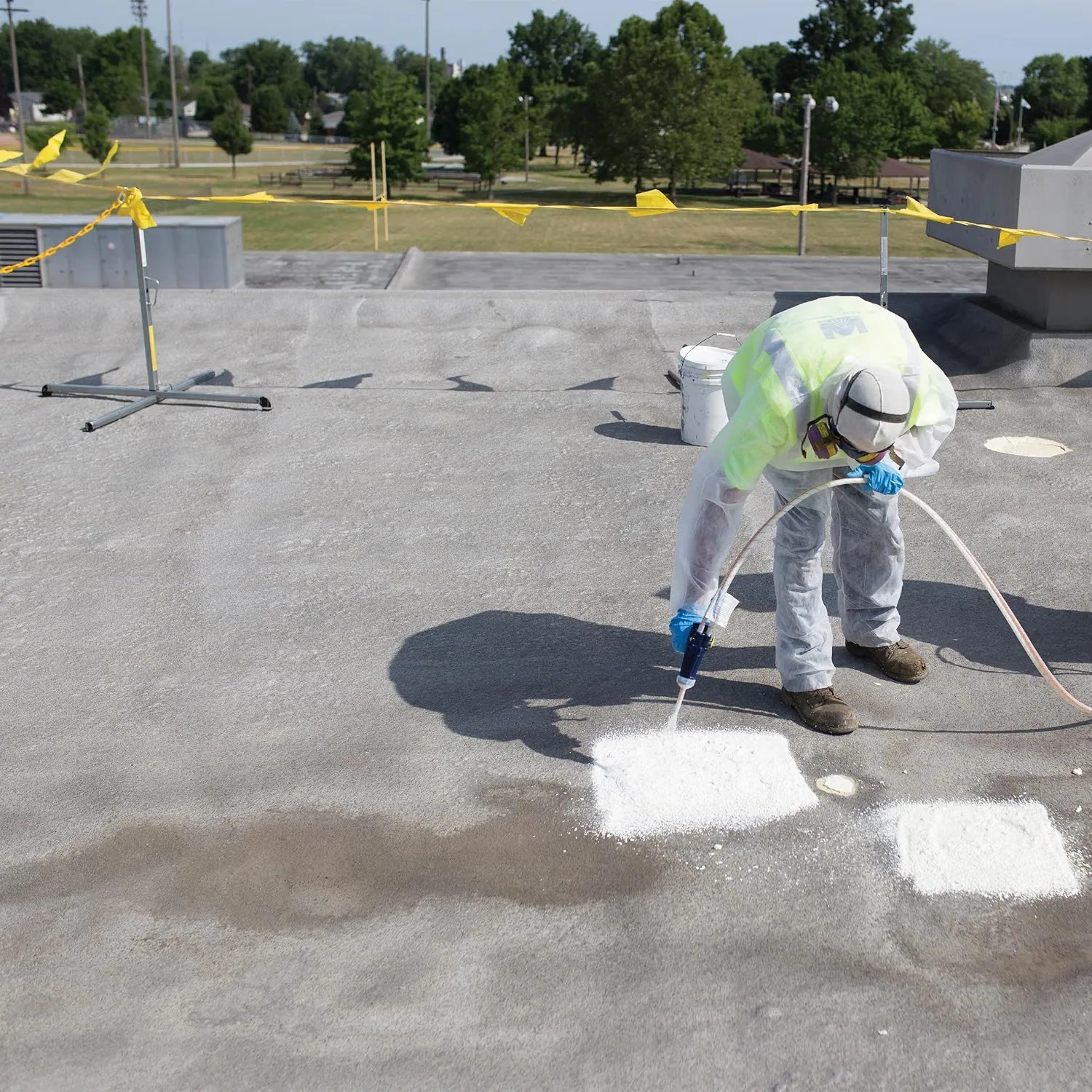
A KEE repair needs suitable cleaning and preparation. We confirm the membrane and select compatible patch material. The weld must reach stable sheet around the defect. Corners, edge terminations, and penetrations may need formed details. We do not cover a contaminated area or bridge loose material. The work order identifies preparation, material, and tie-in boundary.

If the membrane has cracked or separated across several zones, a small patch may not be enough. We map each failure and check whether the insulation remains dry. If moisture is confirmed, removal may be needed before repair. The owner can compare localized work with a recover evaluation or replacement plan.

KEE can be compared with PVC roofing or TPO during a larger project. We review the actual deck, attachment, drainage, curbs, and anticipated roof traffic. The proposal should name the selected membrane and transitions. It should also identify which earlier layers remain in place.

KEE Commercial Roofing in Meridian, ID

Check drains and penetrations

We trace the water route from the field to the outlet. The walk checks drain bowls, strainers, scuppers, overflow paths, curb corners, and wall terminations. We look for debris, open welds, water marks, or flashing that has lifted. A reported ceiling stain guides the route. It does not prove that the nearest KEE seam is the entry point.

At Ten Mile Crossing, the mixed commercial area includes offices, retail, restaurants, and medical services. We coordinate roof access with each property contact. Service hours and loading areas can affect staging. The roof condition still requires direct inspection. If the drain or scupper is damaged, a drainage review can define that work separately.

Low areas and repeated ponding may need measurement beyond a membrane repair. We photograph the affected area and note the weather history supplied by the owner. The proposal states whether water is present during the visit. A clear outlet at that moment does not establish that the full roof drains as designed.

KEE Commercial Roofing in Meridian, ID

Set a safe field window

Welding depends on a clean surface and conditions within material limits. We check roof temperature, moisture, wind, and precipitation before starting. Cold surfaces or contamination can affect preparation. We secure the repair zone if conditions change. The facility contact receives the reason and the next access window.

At Ten Mile Crossing, retail, office, and medical buildings may need separate delivery timing. We confirm hatch access, escorts, and tenant routes with the site representative. If rooftop equipment needs shutdown, the mechanical lead approves it. Dispatch notes record the authorized area and any route restrictions.

For active water entry, emergency response is available at all hours, holidays included. The crew can assess temporary protection while the permanent KEE repair waits for suitable conditions. We label temporary work separately. The owner receives a clear status and a return plan.

KEE Commercial Roofing in Meridian, ID

Record welds and repaired zones

After repair, we photograph the weld, patch edge, and nearby transitions. The notes identify material, preparation, and roof location. When a test opening is required, we document each exposed layer and the completed seal. We list any nearby defect that remains outside the approved scope. Later inspections can return to the same roof zone. We note any areas hidden by equipment or outside the authorized access route. A follow-up can inspect those zones after a mechanical trade moves the obstruction. The owner receives a separate list of unresolved areas, not an assumed clean bill for the entire roof.

A maintenance visit can check weld edges, drainage, and equipment routes. A roof inspection can map broader conditions when multiple seams are involved. The owner can keep repair photos with the building’s roof history and compare future findings.

Send the Meridian address, KEE system history, seam location, active leak details, and roof access contact. We will inspect welds and surrounding details. The report will show the repair boundary and any moisture testing needed. Dispatch can set the visit around site operations.

Can a raised KEE seam be rewelded?

The surrounding sheet must be sound and properly prepared. We inspect contamination, patch edges, and moisture first. The repair method follows the installed membrane and defect location.

How is a KEE membrane different from regular PVC?

KEE is a PVC-alloy membrane formulation. The installed product and project specification determine compatible preparation and repair materials. We verify the actual system before ordering or welding.

Will a roof coating seal a KEE weld?

Coating is not a substitute for repairing an open seam. We inspect the weld and the surrounding membrane. Any coating option needs a separate compatibility and substrate review.

What should be checked after equipment service?

Review the unit perimeter, nearby welds, walk route, and any disturbed flashing. The facility contact can share the service date and photos. We record visible changes by roof area.

Share the weld location and roof history

Provide the Meridian address, KEE product information if available, seam or leak location, recent service history, and roof access contact. We will inspect the weld and document repair options.

Call 555-555-5555 or fill out the form and we will be in touch.

Got a Leak?

For active leaks, storm damage or other urgent roof problems, call us directly at: 555-555-5555.

ServicesRoof SystemsProperty TypesIndustriesService AreasDamage RepairCapabilitiesManufacturersAboutRequest a Roof Assessment555-555-5555
Call555-555-5555