
Storm Damage Roof Repair in Meridian, ID

Assess storm-related roof damage in Meridian, ID with a mapped inspection, temporary protection, repair boundaries, and claim-ready photographs.

Storm Damage Roof Repair

A lifted edge after a weather report needs an attachment check. In Meridian, we inspect perimeter metal, membrane laps, rooftop curbs, drains, and interior reports. Dispatch notes capture the address, reported conditions, and roof access contact. We compare the reported timing with visible roof findings. The inspection separates observed damage from wear that predates the event.

Nearby Boise Air Terminal normals show about nine days each year at or above 100°F. July average highs reach 92.7°F, in nearby Boise Air Terminal normals. Those regional values frame summer heat review. They do not identify storm damage at a specific property. We inspect each roof directly. A building along Eagle Road may need a different access window from a property in the Ten Mile employment area.

Record the reported change

The first call should identify what changed. We ask when the condition appeared, which interior area is affected, and whether water is still entering. We record loose metal, displaced membrane, punctures, broken skylight components, debris impact, and exposed seams when visible. Photos from the building team can guide the route. They do not replace a roof inspection.

Inside, the facility contact shows staining, active drips, wet equipment, or areas needing protection. We note any space that cannot be entered without an escort. On the roof, we follow the affected zone outward. A loose edge may connect with a nearby corner detail. A leak may trace to a penetration uphill from the ceiling mark. We record the likely path and the evidence supporting it.

Meridian’s industrial plan includes warehouse, storage, flex, and light-manufacturing uses. A weather event can interrupt different operations across that building stock. We confirm the specific facility, roof layout, and service routes. Near the Eagle Road corridor, traffic and property access can affect staging. The building contact identifies a safe delivery location and roof hatch procedure.

Separate storm impact from age

We compare event-related marks with existing repairs and general wear. Fresh displacement, a new puncture, or a broken component may fit the reported timing. Brittle material, old sealant, and prior patches may reflect earlier conditions. We photograph both. A claim record is more useful when it distinguishes visible changes from conditions that need more investigation.

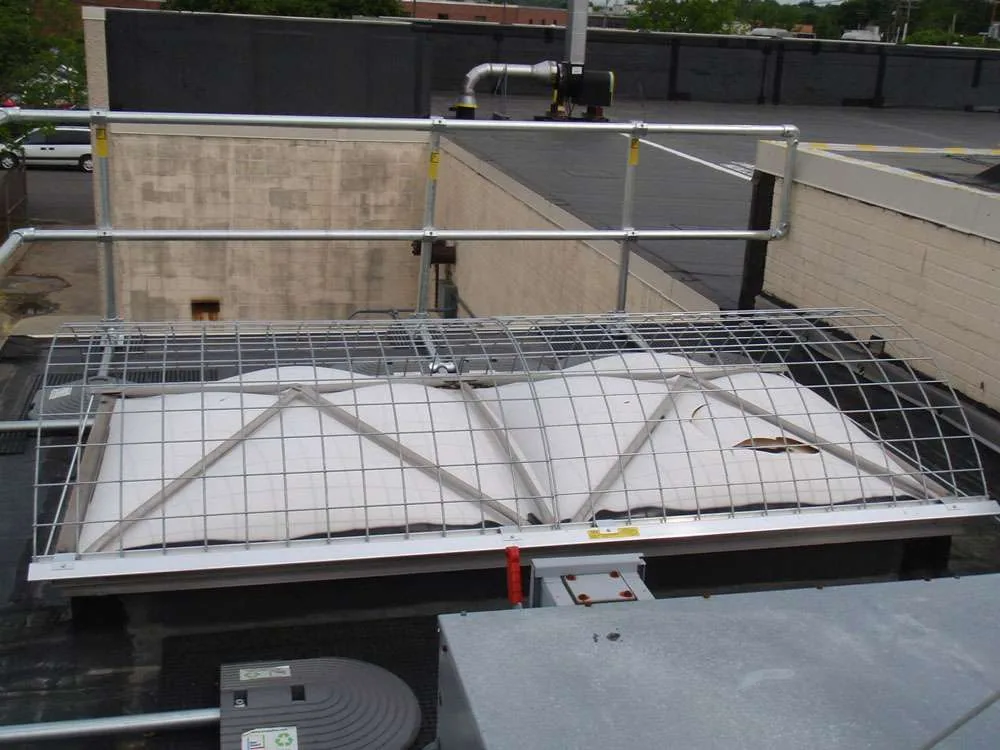
The inspection checks attachment at corners and perimeters, seams, flashing, curbs, skylights, and drains. We look for membrane movement, separated laps, denting, cracks, and debris lodged at outlets. A roof may show impact in one area and no visible change elsewhere. We map each finding. We do not extend a localized observation to the whole building without evidence.

Thermal imaging may help locate concealed moisture patterns. A test cut can confirm conditions at an agreed point. We note the method, location, and limits. A moisture survey supports the review when the roof area warrants it. A drone pass can document broad visible conditions, while hands-on review checks attachment and detail conditions.

Storm Damage Roof Repair in Meridian, ID

Protect the active area

If water entry continues, we identify the affected space and immediate exposure. The site team protects people and contents. We inspect safe roof access and determine whether temporary covering or dry-in is suitable. We photograph the temporary measure and state what remains exposed. Weather, ice, wind, or lightning may limit roof access. We explain a safety delay and arrange the next inspection window.

Storm-related leak calls reach dispatch day or night, including holidays; the owner confirms the safe approach to the roof. The crew needs the property address, active leak location, roof access contact, and recent roof history. A building in the Ten Mile district may have office, commercial, and nearby residential activity. We coordinate around the actual site, not an assumed neighborhood schedule.

Temporary protection is not a permanent repair. It reduces exposure while the crew verifies the opening and prepares the approved scope. We check whether drains and overflows remain clear. We also check if nearby equipment or another trade has affected access. If no safe roof visit is possible, we state the limitation and keep the facility contact informed.

Storm Damage Roof Repair in Meridian, ID

Define the repair area

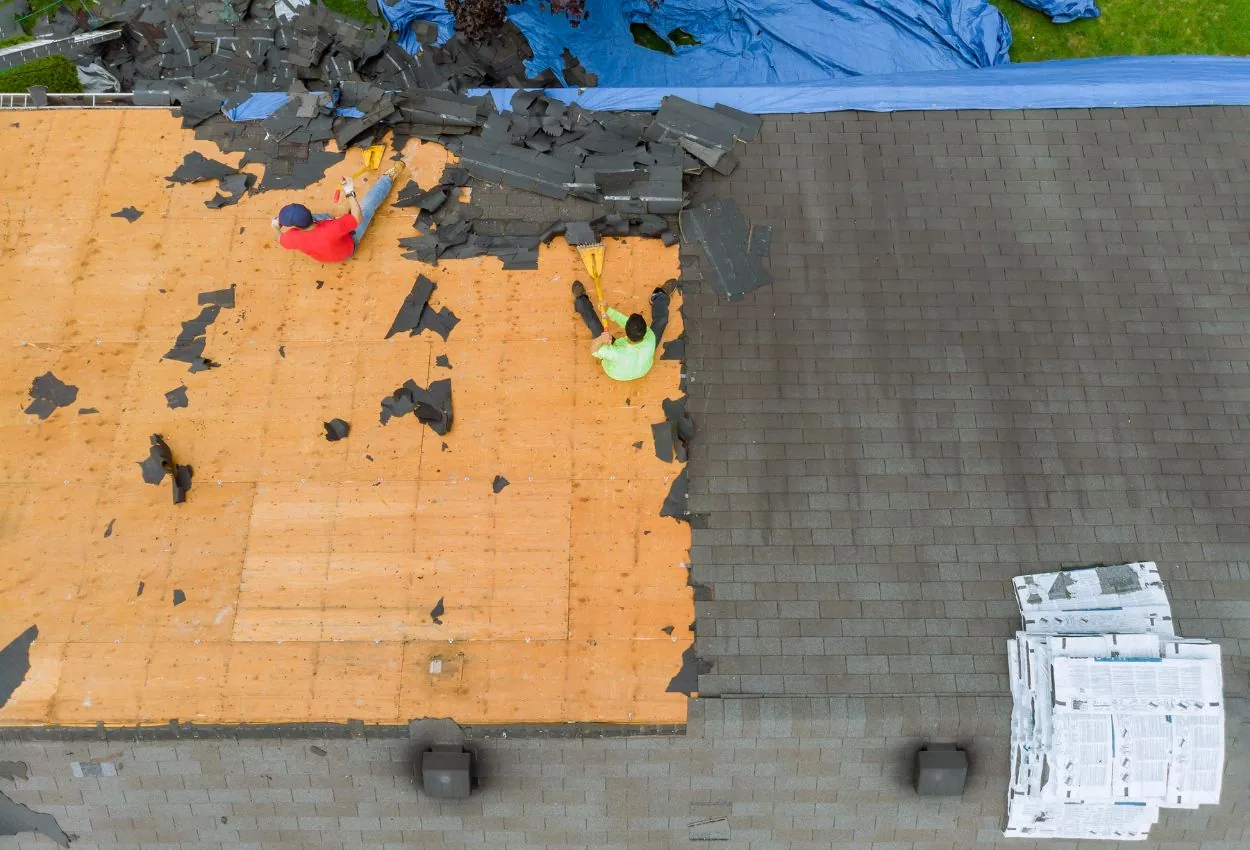
The scope marks the damaged zone and the material needed to restore it. We identify membrane type, preparation, attachment, flashing, and transitions. A puncture patch needs a sound surface around its edge. A displaced perimeter requires secure attachment and a tie-in suited to the assembly. A damaged curb needs attention at corners and upstands. We specify what is included and list adjacent conditions separately.

Storm reports can reveal concealed damage after the surface is opened. We document wet insulation, deck concerns, or loose attachment before extending work. The owner or authorized contact reviews the change. We keep the repair boundary visible in the photo log. If a larger area has repeated failures, a condition inspection can support repair, recover, or replacement comparisons.

Meridian’s winters include freezing nights in the nearby regional normals. Moisture and low temperatures can affect repair preparation and curing. We check the roof surface and forecast before permanent work. If materials cannot be installed within their limits, we maintain an appropriate temporary measure and schedule a return. No repair method overrides the product requirements or the condition of the substrate.

Storm Damage Roof Repair in Meridian, ID

Build the event record

We organize photographs by roof area and label the inspection date. The record includes reported conditions, visible findings, temporary work, approved repair, and open questions. It identifies conditions that appear recent and those that may predate the report. This does not determine insurance coverage. It gives the owner and adjuster a factual roof record to review.

Where the owner requests claim support, we can provide a documented inspection record and repair scope. We keep statements tied to observed conditions. The record can include weather information supplied by the owner or adjuster. We do not make a coverage decision. The property’s carrier and policy determine that process.

A follow-up visit checks the repaired edge, seam, flashing, or drain after work. We compare new images with the initial photo log. If another roof zone shows a separate issue, we document it independently. A maintenance review can monitor visible details later. Owners can preserve the record in a condition report for future repair planning.

How do you separate storm damage from older roof wear?

We compare the reported timing with photos, repair history, and visible conditions. Displaced materials or a new puncture may support the event record. Brittle surfaces and prior patches are documented separately. We label any conclusion that needs a test cut or closer review.

Can a roof inspection happen while water is entering?

We first confirm interior safety and whether roof conditions allow access. Dispatch can arrange temporary protection when suitable. Wind, lightning, ice, or standing water can delay roof work. We provide the facility contact with the observed status and next safe step.

Will your photographs determine whether insurance covers the damage?

No. The field record ties each storm-related observation to a roof zone and an authorized work limit. The insurer and policy govern coverage. Our record can help the owner and adjuster review observed changes, photographs, dates, and work performed.

What should the site contact send before arrival?

Send the Meridian address, affected interior area, timing, current leak status, roof access contact, and recent repair history. Include photos if available. Tell dispatch about restricted rooms, equipment, or delivery routes that affect the visit.

Send the event location and access details

Provide the Meridian address, affected roof and interior areas, event timing, active leak status, prior roof history, and access contact. Dispatch will arrange inspection or immediate protection based on conditions.

Call 555-555-5555 or fill out the form and we will be in touch.

Got a Leak?

For active leaks, storm damage or other urgent roof problems, call us directly at: 555-555-5555.

ServicesRoof SystemsProperty TypesIndustriesService AreasDamage RepairCapabilitiesManufacturersAboutRequest a Roof Assessment555-555-5555
Call555-555-5555