
Commercial Rooftop Equipment Curbs and Supports in Meridian, ID

Inspect commercial rooftop curbs and supports in Meridian, ID with flashing checks, equipment coordination, access planning, and repair documentation.

Commercial Rooftop Equipment Curbs and Supports

A rocking equipment support is the first point to isolate. In Meridian, we check the base, fasteners, curb corners, membrane flashing, and nearby seams. We ask which unit was serviced and who controls the roof hatch. A loose support can affect the flashing beside it. We document the observed movement before defining a repair boundary.

Nearby Boise Air Terminal normals help time seasonal reviews in Meridian. We inspect curbs, sealants, and drains directly, then record each component’s observed condition. Near Eagle Road, active office, medical, and retail properties may require distinct service windows.

Check the equipment perimeter

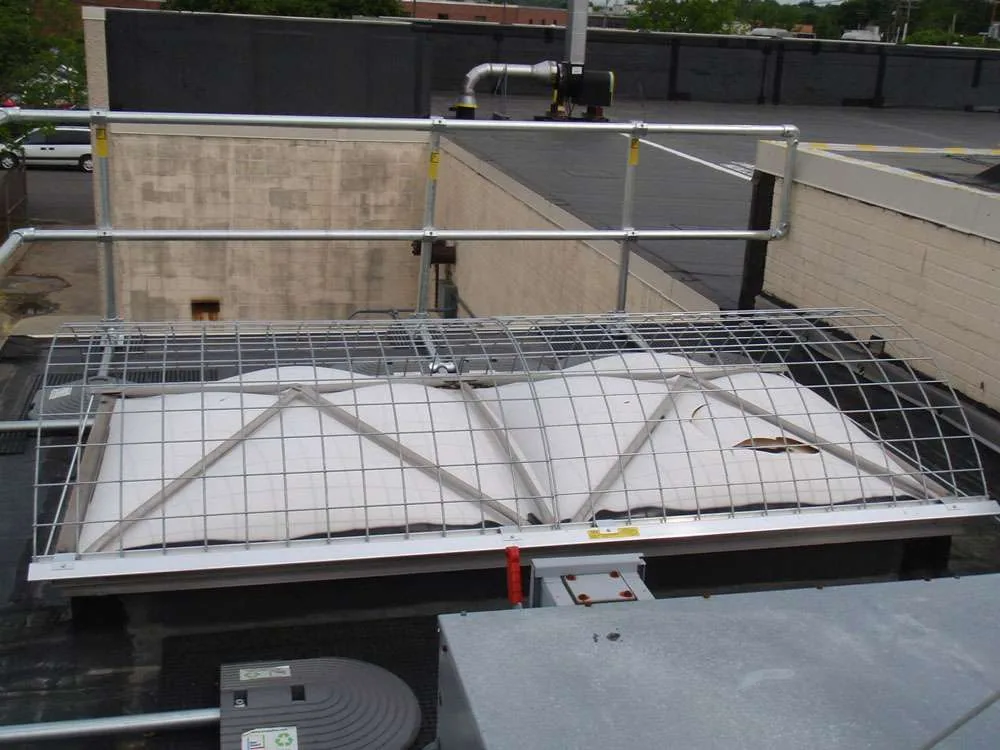
We inspect the full perimeter of each curb and support. The check covers corners, seams, fasteners, flashing, counterflashing, and membrane transitions. We look for gaps, loose metal, rust, open sealant joints, and movement. We note whether the unit sits level and whether the support transfers load to sound structure. A roof surface alone cannot confirm the condition beneath a base.

Conduit, refrigerant lines, piping, and service walkways can cross the work area. We identify each obstruction and ask which trade can move or protect it. We coordinate equipment movement with the responsible mechanical trade. If a line prevents access to a curb corner, the photo log marks that area as uninspected. The facility contact can then schedule the trade needed for a complete repair.

Meridian’s employment areas include advanced manufacturing, healthcare, and professional services. Those operations can use different rooftop systems and service schedules. We inspect the actual equipment layout. At El Dorado Business Campus, an office park near I-84 and St. Luke’s Meridian Medical Center, we confirm the entrance, roof hatch, and staging details with the property contact.

Trace flashing below the unit

Water can enter at a curb corner, fastener, seam, or pipe support. We follow the membrane up the curb and inspect the high side first. We check for open laps, gaps at corners, and water paths around lines. A stain below the unit guides the review. It does not prove that the unit itself caused the leak.

Curbs and supports need compatible flashing. A membrane patch must bond or weld to the installed system. A sealant bead may finish a designed joint, but it cannot replace missing flashing or secure a moving base. We identify whether the curb needs a new membrane turn-up, metal counterflashing, or a separate mechanical correction. The proposal keeps those scopes distinct.

On a low-slope roof, nearby drains and overflow routes matter. We inspect whether water can collect against the equipment base. If a support sits in a low area, the repair may need drainage review. A leak investigation can trace water beyond the reported ceiling mark. A penetration detail review can document other openings in the same roof zone.

Commercial Rooftop Equipment Curbs and Supports in Meridian, ID

Coordinate mechanical access

Before work, we identify the mechanical contractor and the person authorized to approve shutdowns. We confirm access around the unit and the route for tools or replacement flashing. If a curb cannot be reached without moving a line or guard, the owner can schedule that trade first. The dispatch note lists the condition and access dependency.

Ten Mile Crossing contains office, retail, restaurant, bank, and medical uses. Unit schedules may differ across nearby buildings. We agree on the roof window with each property contact. We protect service paths and keep equipment operating when the site requires it. If a shutdown is needed, the mechanical lead controls that decision.

For occupied offices, we coordinate noise, interior protection, tenant notices, and access. We identify the roof hatch, escort, and delivery route. A repair near Ten Mile Crossing may require a building-specific plan. We do not assume one access instruction covers an entire development. Emergency dispatch remains available at all hours for active water entry or loose components that create an immediate concern.

Commercial Rooftop Equipment Curbs and Supports in Meridian, ID

Define the support repair

The scope identifies each unit or support and the exact work area. It states whether we will repair membrane flashing, replace a curb component, reseal a designed joint, or coordinate another trade. We photograph the condition before opening the assembly. If removal reveals wet insulation or damaged deck, we stop at the agreed limit and ask for direction before expanding work.

Support attachment may involve structural backing or engineered details. We inspect visible fasteners and note movement. Structural capacity questions may require a qualified design professional or mechanical contractor. We identify that need rather than guess. The roof scope covers membrane and flashing work, while the responsible trade addresses equipment support design and unit operation.

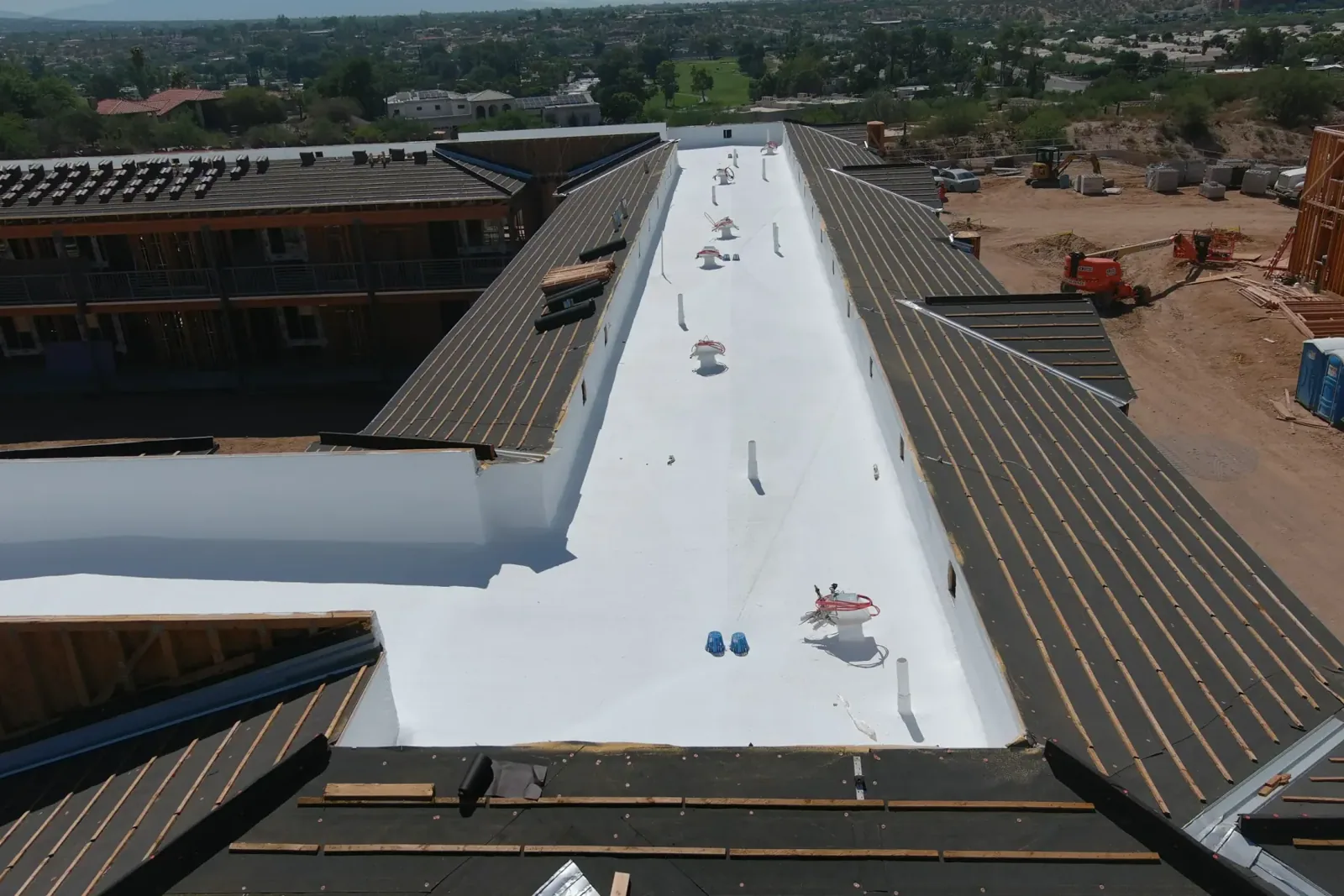
A replacement or recover project can present a chance to coordinate curb height and support transitions. The roof assembly must terminate cleanly without blocking drainage. Owners planning larger work can compare a replacement scope with a recover evaluation. We identify equipment areas that need new flashing before the membrane installation begins.

A curb repair starts with the existing unit base and its attachment. We record dimensions, corner height, visible fasteners, and the membrane turn-up before removal. If the support moves, the mechanical or structural trade reviews its design. Roofing work proceeds after that handoff. The scope then names the flashing material, tie-in, and drain clearance. This sequence keeps a membrane repair separate from a unit adjustment or support replacement.

Commercial Rooftop Equipment Curbs and Supports in Meridian, ID

Keep service details visible

After work, we photograph curb corners, support bases, and completed membrane transitions. The record states which unit was involved and what trade work remains. The facility team can attach mechanical service dates to the roof log. Later visits can compare the same curb and see whether movement or water entry changed.

Equipment service can disturb nearby flashing. We ask the site team to notify us about roof work by other trades. A maintenance visit can check exposed details after service. A roof condition report can store images by unit and zone for the next facility director.

Send the Meridian address, unit identifier, recent service history, active leak location, and roof access contact. We will inspect the support and flashing. Dispatch notes will identify access needs and any mechanical coordination. The owner receives a clear repair boundary and a list of unresolved questions.

Can a roofer repair a curb without shutting down the unit?

The curb and service clearances decide what work can proceed. We coordinate with the mechanical lead and facility contact. If a line or unit blocks access, the scope identifies the trade needed before flashing work.

What should we do if a unit is moving?

Keep people clear of the area and report the Meridian address, unit, and access contact. We inspect visible attachment and flashing. Support design or structural questions may need the mechanical contractor or engineer.

Can a leak below an HVAC unit come from somewhere else?

Yes. Water can travel from an adjacent seam, penetration, or drain path. We check the curb perimeter and nearby roof area, then use moisture testing or a test cut if the route remains unclear.

What information helps schedule the inspection?

Provide the unit identifier, last service date, roof access rules, and the person who can coordinate shutdowns. Tell dispatch which interior area is affected and whether water is still entering.

Identify the unit and access contact

Send the Meridian address, equipment label, recent service notes, reported leak area, and roof access contact. We will check the support and flashing, coordinate any trade access, and document the repair boundary.

Call 555-555-5555 or fill out the form and we will be in touch.

Got a Leak?

For active leaks, storm damage or other urgent roof problems, call us directly at: 555-555-5555.

ServicesRoof SystemsProperty TypesIndustriesService AreasDamage RepairCapabilitiesManufacturersAboutRequest a Roof Assessment555-555-5555
Call555-555-5555