Built-Up Roofing in Meridian, ID

Built-up roofing in Meridian, ID needs a close review of plies, gravel, drains, and flashing. We document repair, recover, and replacement options.

Built-Up Roofing

Loose gravel at a drain bowl gives the first inspection point. In Meridian, we check the surfacing, visible ply edges, flashing, and drainage before recommending work on a built-up roof. BUR combines layers of bitumen and reinforcing fabric, often finished with gravel or a smooth surface. Each layer can hide a different condition. The first visit records the roof zone and access limits, then maps what can be seen without disturbing the assembly. Send the address, active leak location, recent roof history, and access contact. Dispatch will set the first read around building operations.

Separate Surface from Assembly

A gravel surface can conceal a worn or separated ply. We check whether aggregate remains embedded, whether bitumen is exposed, and whether areas show movement, cracking, or ponding. At parapets and curbs, we inspect the base flashing and termination. At drains, we look for loose gravel, debris, a restricted strainer, and low areas that hold water. The photo log ties each finding to a roof zone instead of treating the field as one condition.

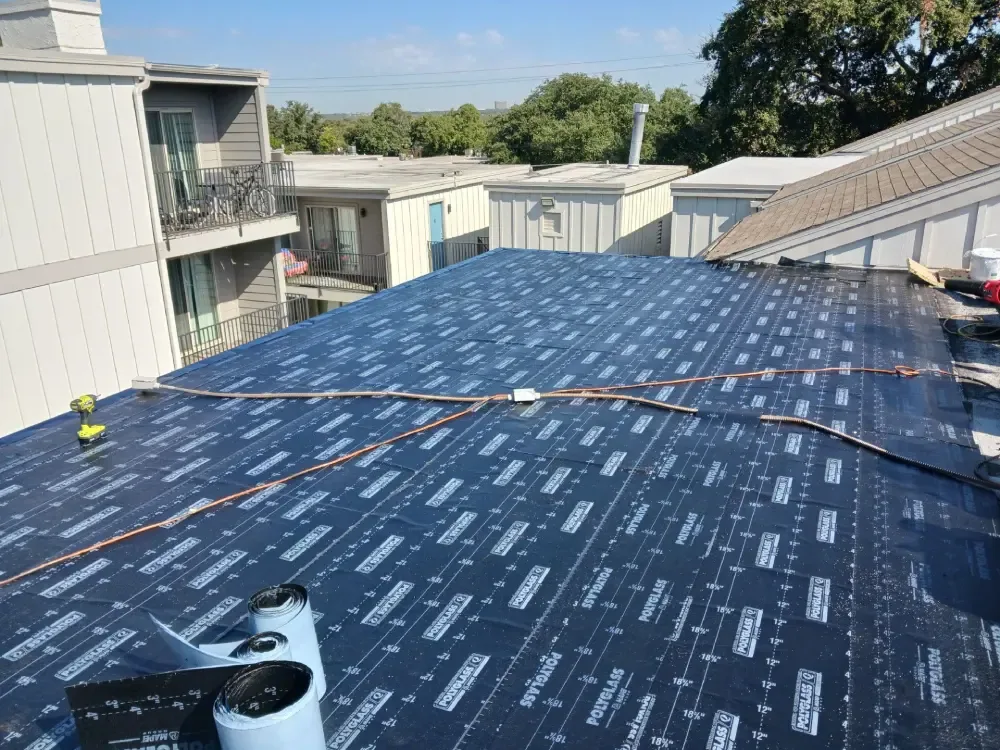
Built-up assemblies can contain several plies over insulation and a deck. A test cut may be needed when the surface does not explain a leak or suspected moisture. We document the opening, identify visible layers, and note whether the insulation or deck appears affected. The opening location should answer a question, such as whether a suspected wet area extends beyond a flashing repair. We do not infer the whole roof condition from one sample.

Meridian's summer heat can expose aged surfacing and dry sealant at transitions. Nearby Boise Air Terminal averages a 92.7°F July daily high, which helps plan warm-weather surface checks in Meridian. We inspect the roof directly for brittle bitumen, open flashing laps, and movement around equipment. A business near Ten Mile may require a tight delivery window; a downtown property may need different staging and pedestrian controls.

Follow the Leak Route

A ceiling mark can sit far from the opening above it. We trace the likely path uphill and outward, checking drains, roof-to-wall transitions, pitch pockets, and equipment supports. In a built-up roof, water can move between layers before reaching an interior finish. We compare the reported timing with weather and operating activity, then inspect visible conditions around the suspected zone. A stain alone does not set the repair boundary.

Drainage deserves a careful review before winter. Nearby Boise Air Terminal records a 25.4°F average December daily low, with 1.41 inches of January precipitation. We use those normals to schedule winter drainage checks, then inspect the roof details directly. We use them to keep winter drainage in the inspection plan. The crew checks drain bowls, overflow paths, and low areas where debris or displaced aggregate may slow flow. Ice movement can stress a detail, but the actual roof determines what needs repair.

If moisture extends under several plies, a surface patch may leave the source in place. We can use infrared review when conditions support it, followed by targeted test cuts if needed. Wet insulation, damaged deck, and separated plies each change the scope. A clear map helps the owner compare localized repair with a larger removal or recover option. We record the evidence and any remaining unknowns in the condition report.

Built-Up Roofing in Meridian, ID

Choose the Repair Method

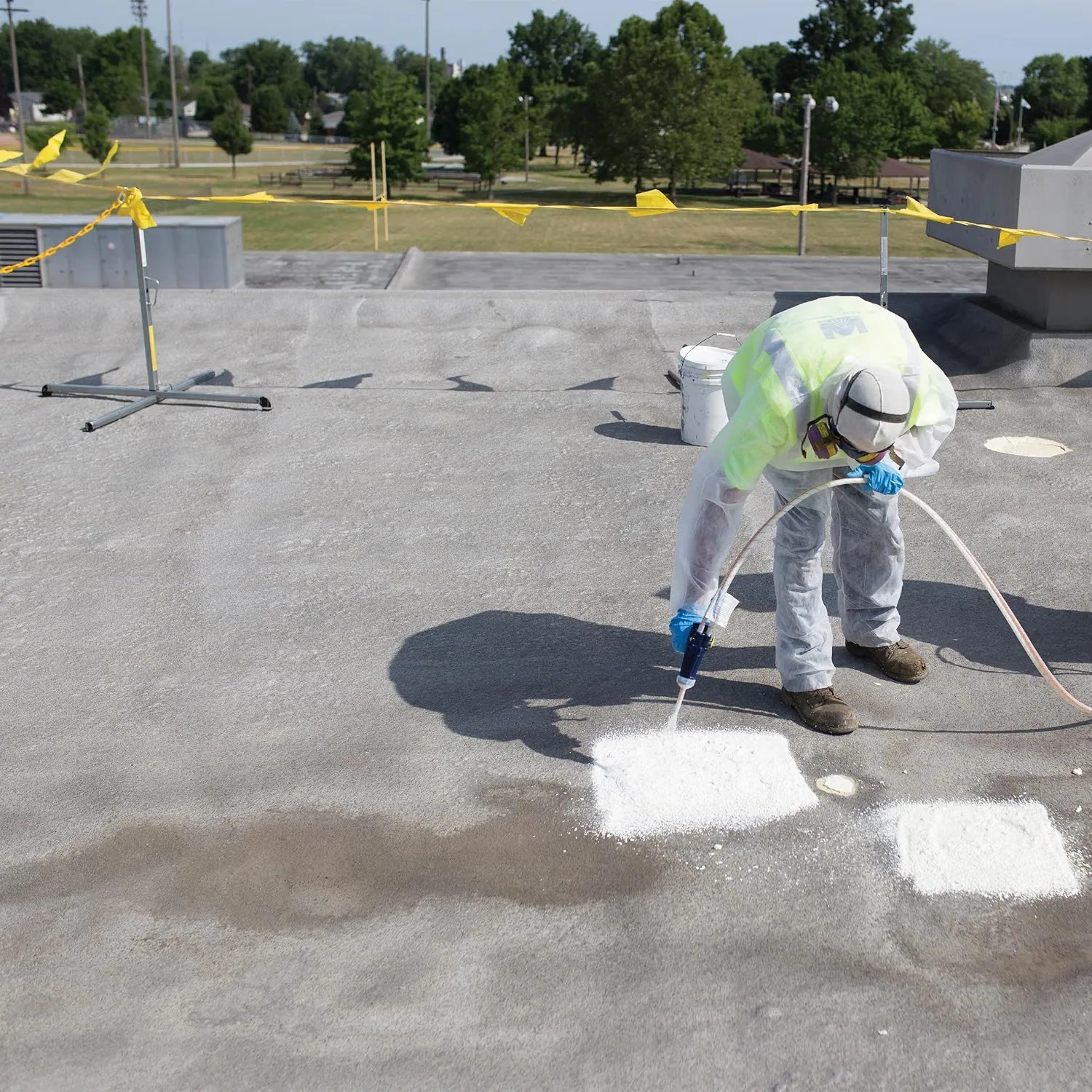
A small split in sound material may accept a compatible patch after proper preparation. We remove loose aggregate where needed, prepare the bitumen surface, and install reinforcement and surfacing suited to the assembly. Flashing repair may require new membrane turns, secure termination, and finished edges at the curb or wall. A lasting BUR patch needs sound bitumen and reinforcement at its perimeter. A patch over wet insulation or a weak deck will not correct those conditions.

When the roof remains dry and attached, a recover may preserve serviceable layers while adding a new roof assembly. That option depends on roof height, structural capacity, drainage, and existing layers. Removal may be necessary where moisture is widespread or the substrate cannot support another system. A test cut can inform the decision, but project design may require broader review. We explain what is confirmed and what needs more investigation before the scope is finalized.

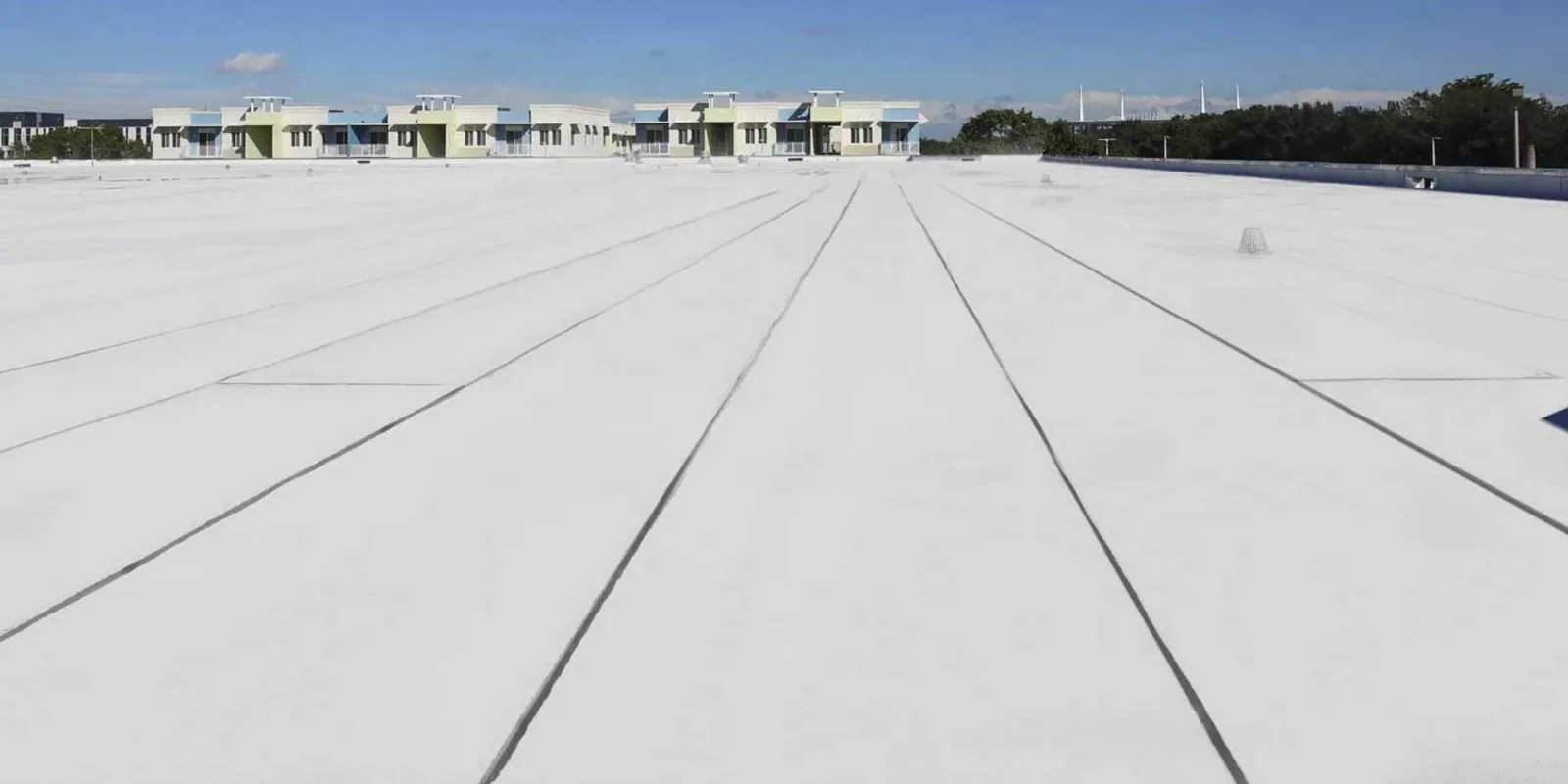
Restoration coatings can be considered only when the surface and details are suitable. Gravel may need removal or special preparation to achieve adhesion. Coating does not replace damaged plies, correct poor drainage, or dry trapped insulation. We compare that path with a restoration assessment and explain where BUR condition supports it. If the assembly is at the end of its service life, replacement planning gives the facility team a clearer scope.

Built-Up Roofing in Meridian, ID

Control Roof Access

BUR work can involve moving aggregate, opening layers, and managing hot materials or adhesives. We plan the work area, staging route, and roof-hatch access before mobilization. If the method needs hot work, we confirm site controls and nearby conditions. We coordinate around rooftop equipment and keep drains available during work. For occupied buildings, deliveries and noisy steps can be placed within an agreed access window.

Meridian properties differ by use. A facility along I-84 may need truck staging coordinated with active freight. Retail operations at The Village can have pedestrian and tenant movement near the work zone. We identify the site contact, approved access route, and equipment restrictions in dispatch notes. A roof access plan reduces delay and keeps the repair boundary clear for other trades.

Emergency response remains available around the clock, holidays included. When a leak is active, the first visit can identify immediate exposure and temporary protection needs. Permanent BUR work may wait for dry conditions or safe installation temperatures. We record the short-term action separately from the permanent repair, so the owner can see what remains. Timing and cost depend on roof layers, disposal, material handling, access, and any deck or insulation replacement.

Built-Up Roofing in Meridian, ID

Record the Condition

After repair, we photograph the restored area and note the materials and limits of work. The record identifies drains, seams, flashing, and any nearby conditions that remain open. This gives maintenance staff a point of comparison during the next roof review. If a later ceiling mark appears, the location history can help narrow the inspection without assuming the old repair failed.

Routine checks can remove loose debris, inspect drain strainers, and revisit repaired transitions. We look for exposed bitumen, aggregate loss, open laps, and new ponding. A written inspection report can organize those findings by roof zone. If multiple sites need review, a multi-site program can compare condition and schedule work around operations.

Owners considering a system change can compare BUR with modified bitumen or EPDM membrane after testing the existing layers. The right choice depends on drainage, deck condition, access, and operating needs. We can inspect properties near Ten Mile Crossing and set each scope from observed roof conditions.

Can you patch a BUR roof without removing the gravel?

Some repairs need aggregate cleared to reach a sound bonding surface. We inspect the finish and defect first, then define the preparation area. The method depends on the exposed material and the condition beneath it.

How do you know whether insulation below BUR is wet?

A visual review can flag suspect areas, but testing may be needed. Infrared review can help direct test cuts when conditions are suitable. We map findings and keep the repair limit tied to confirmed evidence.

When does a recover make sense for built-up roofing?

A recover may work when the existing layers are dry, stable, and suitable for another assembly. Drainage, structural capacity, roof height, and attachment all need review. Wet or weak areas may require removal.

Can BUR work happen while tenants remain open?

We plan access, deliveries, and work zones around the operating schedule. The site contact helps identify hatch access, equipment restrictions, and tenant routes. Some work steps may need a defined window or temporary separation.

Schedule a BUR First Read

Send the Meridian address, leak location, roof history, and access contact. We will inspect plies, flashing, and drainage, then document a practical repair boundary.

Call 555-555-5555 or fill out the form and we will be in touch.

Got a Leak?

For active leaks, storm damage or other urgent roof problems, call us directly at: 555-555-5555.

ServicesRoof SystemsProperty TypesIndustriesService AreasDamage RepairCapabilitiesManufacturersAboutRequest a Roof Assessment555-555-5555
Call555-555-5555