Commercial Roof Maintenance in Meridian, ID

Set a commercial roof maintenance plan in Meridian, ID with drain checks, seam observations, photo logs, access notes, and repair priorities.

Commercial Roof Maintenance

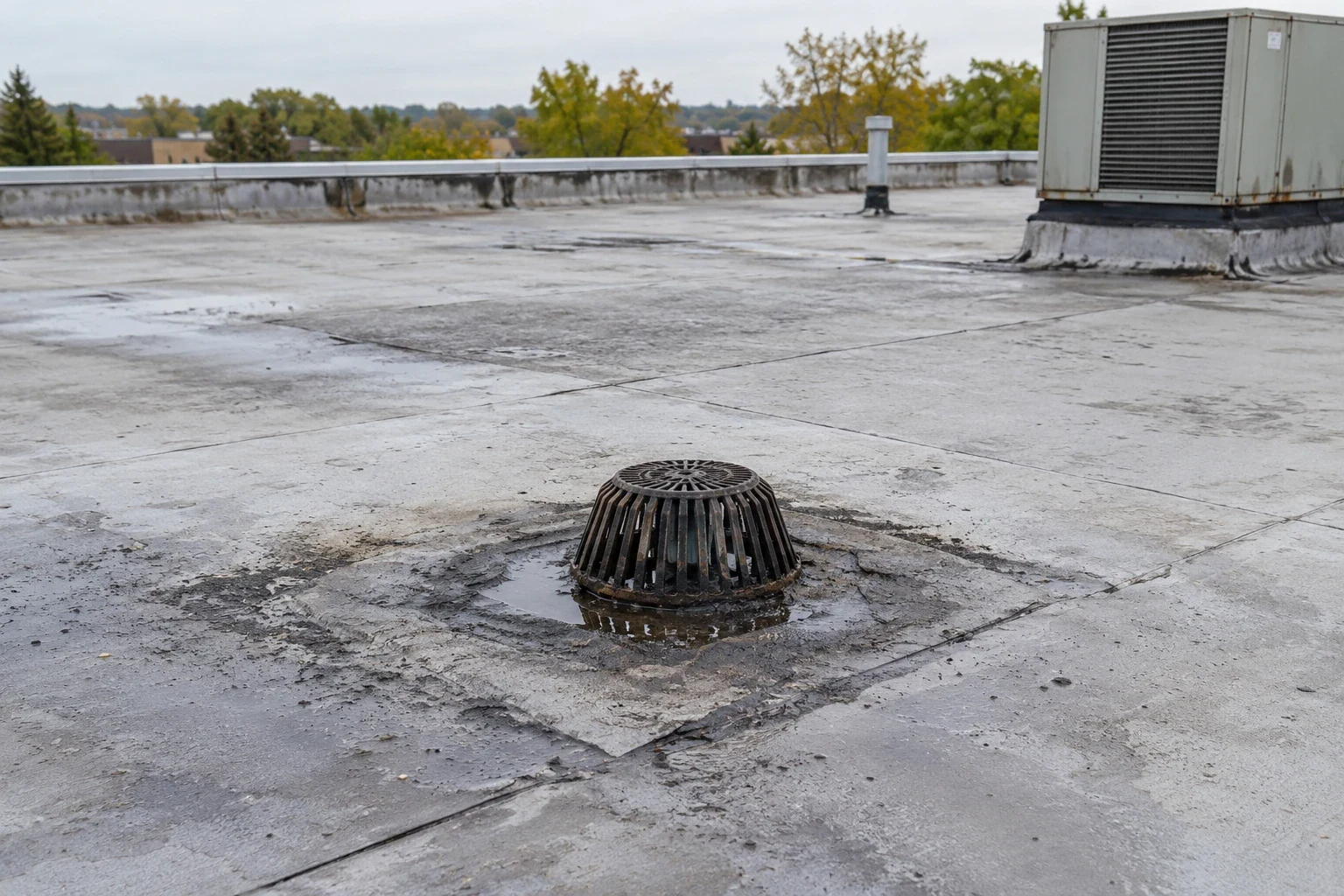
A clogged overflow at the roof edge earns the first check. In Meridian, we inspect the drain bowl, overflow path, visible seams, curb corners, and perimeter details. The facility contact identifies the roof hatch and any restricted work hours. We log each finding by roof area. A maintenance visit gives the next dispatcher a usable baseline when a leak, equipment call, or storm report arrives.

Boise Air Terminal normals provide a nearby regional climate reference. July averages a 92.7°F daily high, using nearby Boise Air Terminal weather records. December averages a 25.4°F low, using nearby Boise Air Terminal weather records. Those figures help frame summer surface heat and winter drainage checks. They do not replace a roof walk. Near Ten Mile Crossing, office, retail, and medical uses can require different access windows. We confirm the building contact and operating schedule before the visit.

Walk the roof by area

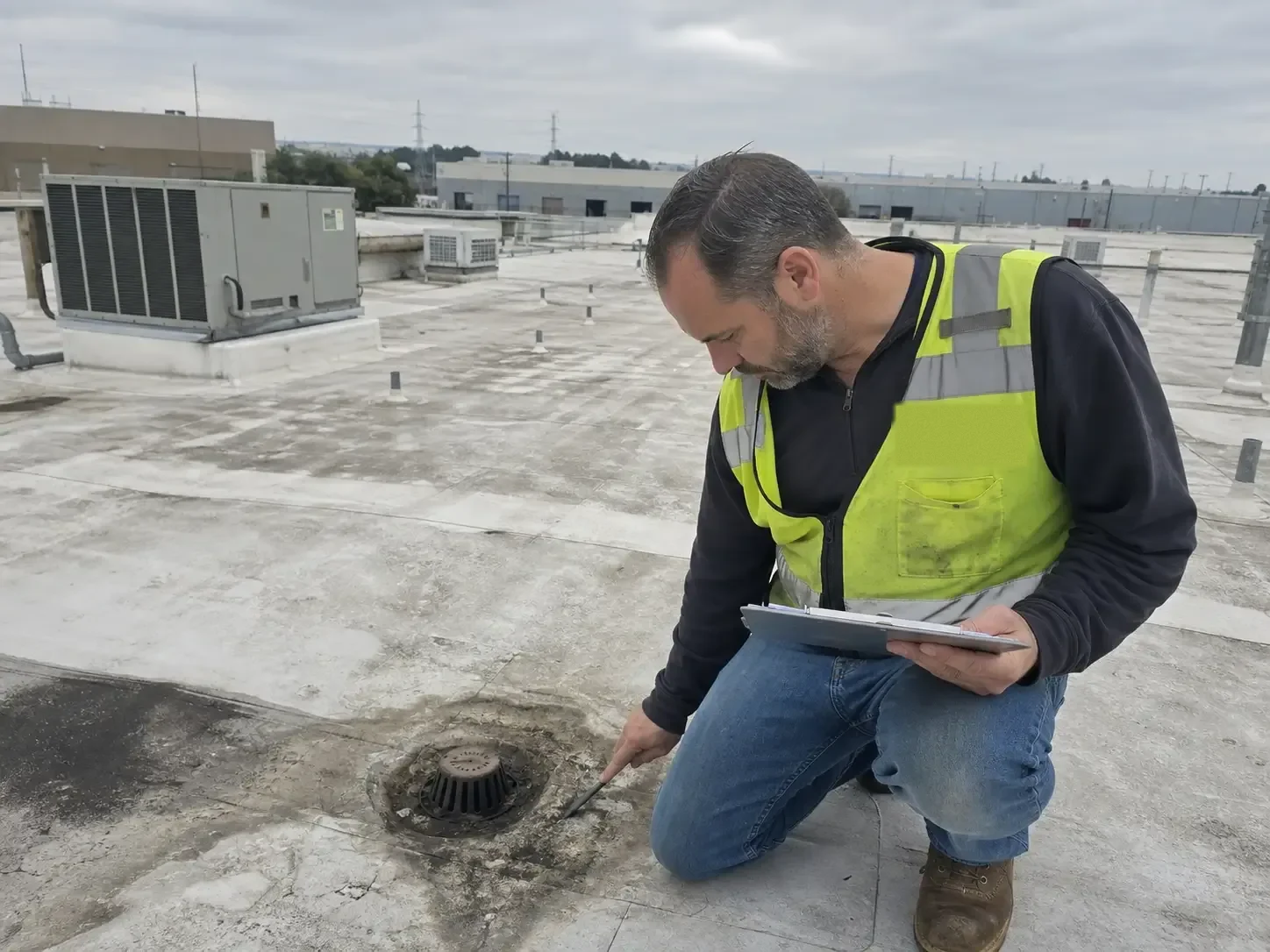
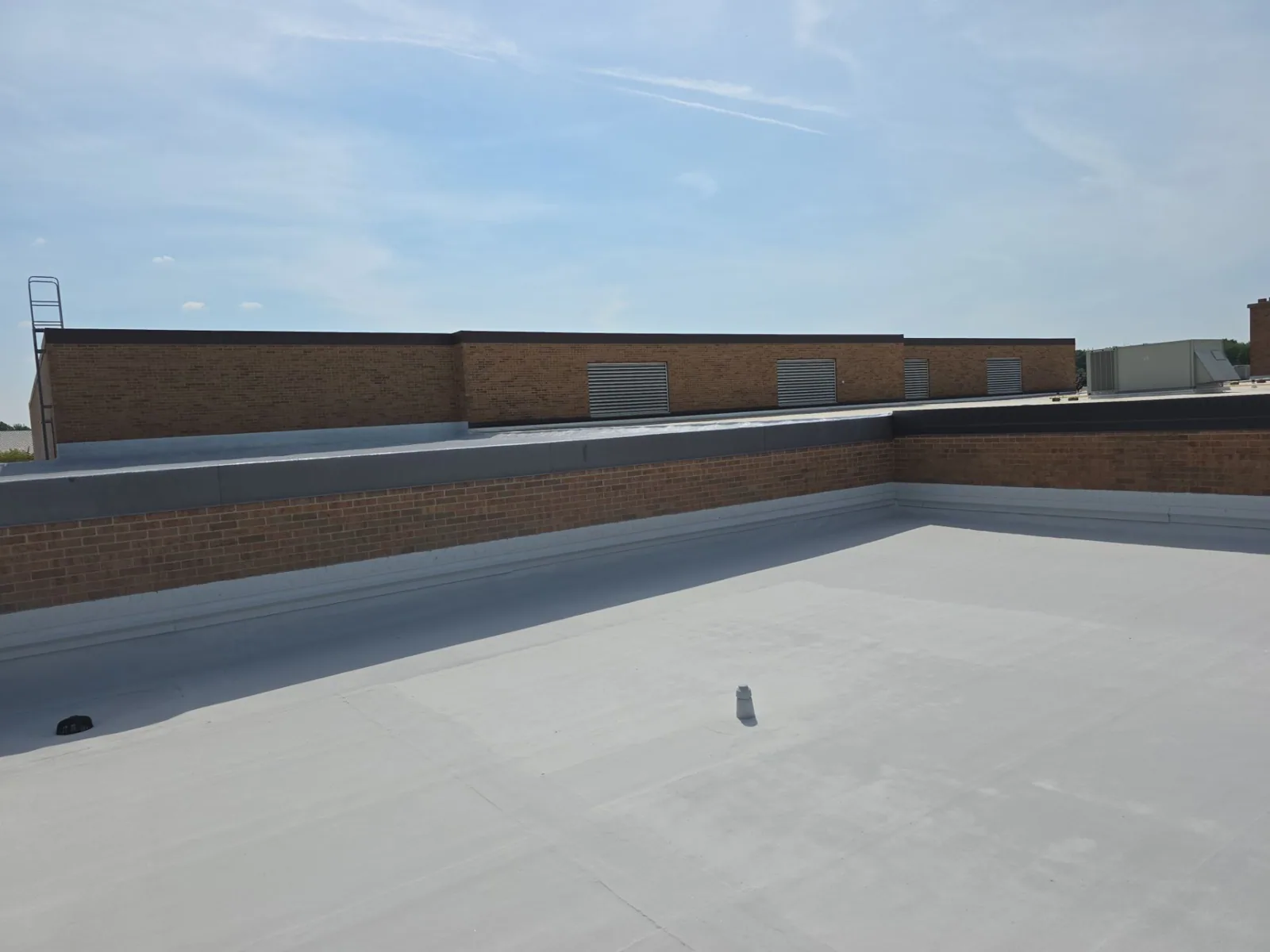
We divide the roof into sections the facility team can recognize. The walk checks membrane laps, exposed fasteners, patches, penetrations, equipment curbs, skylights, drains, scuppers, and edges. We record open seams, loose flashing, punctures, and debris. Each photo includes a roof-area reference. This lets a manager send maintenance staff to the same detail without guessing from an unlabeled image.

We compare visible conditions with prior repair records and reported interior concerns. A ceiling mark can guide the route, but it does not locate the roof opening by itself. We trace uphill from the affected area. We inspect transitions, drains, and rooftop equipment nearby. If an assembly question cannot be answered on the surface, we identify a test cut or moisture check. Findings remain separate from assumptions.

Meridian planning includes warehouses, storage, light manufacturing, flex buildings, and support offices. That mix can mean different equipment layouts and service paths. We inspect the property rather than infer a roof system from its land-use label. A site near the Fields Subarea may include mixed-use and industrial employment areas. The site contact confirms which building and roof zones are included in the maintenance route.

Clear the drainage route

Drainage work follows the whole route. We check roof slope, drain bowls, strainers, scuppers, overflows, and visible low areas. We remove loose debris within the agreed scope and record blocked outlets or damaged components. We also note whether discharge points remain clear. A clean drain on the visit day does not prove that the entire assembly drains under every condition.

Summer is dry in the Boise Air Terminal climate record. July and August precipitation averages 0.21 and 0.17 inches, from the Boise Air Terminal climate record. January averages 1.41 inches, a regional reference from Boise Air Terminal. That seasonal spread makes a pre-winter drainage review practical. We check the roof directly for debris and flow restrictions. We note ponding evidence and locations where additional slope or drain design review may be needed. The record distinguishes cleaning from capital correction.

At The Village at Meridian, retail, dining, entertainment, and office activity share a commercial setting. Access may depend on service hours and pedestrian routes. We plan the visit with the property contact. If the drain check finds a damaged membrane or loose flashing, the owner can authorize a targeted repair. A recurring water problem may call for a separate drainage correction scope.

Commercial Roof Maintenance in Meridian, ID

Set the service interval

The inspection history helps set the next visit. A roof with active repairs, frequent equipment service, or recurring debris may need closer observation. We review the system, building use, past findings, and access conditions with the facility director. We set a cadence that matches those conditions. The schedule should also account for seasonal drainage checks and any work planned by other trades.

Rooftop service can disturb seams and flashing. We ask the site contact to notify us about HVAC work, conduit installation, sign work, and other roof traffic. After that work, we can check the affected route and document any changes. At Eagle View Landing, office, medical, retail, and corporate-campus spaces have different operating contacts. A maintenance window should match the individual building, not assume one campus-wide schedule.

Access instructions belong in the visit record. We note the hatch location, escort contact, areas requiring notice, and restrictions on photography or staging. If access changes, the facility contact can update the record before dispatch. A roof asset record can preserve those details across visits. The maintenance team can also compare earlier photos through condition reporting.

Commercial Roof Maintenance in Meridian, ID

Separate maintenance from repair

A maintenance list should not hide a repair decision. We label each item by observed condition, location, and recommended action. Debris removal, resecuring a loose component, and replacing a failed flashing detail do not belong in one vague category. We state what is included in the scheduled visit. We list separate repairs for owner approval. That keeps the authorization clear and helps the manager track work that remains open.

Where a condition may extend below the surface, we document the limit of the visual review. Wet insulation, deck damage, or repeated seam failure can require more testing. We may recommend a test cut, infrared scan, or broader inspection. The report says which evidence supports that next step. A moisture survey can help locate candidate areas. A hands-on inspection can check details across a larger roof.

Maintenance does not make an older assembly new. It gives the owner dated observations and a chance to address small conditions before they affect more roof area. If the same repair appears repeatedly, we flag the pattern. The facility director can compare continued repair with recover or replacement using documented conditions. We show the repair boundary and identify areas that still appear serviceable.

Commercial Roof Maintenance in Meridian, ID

Close with a photo log

At the end of the visit, we review open items with the site contact. The photo log records each condition, action completed, and recommended follow-up. We note any roof zones not reached. If a repair needs approval, the record identifies the location and requested scope. The next visit can then check a known item rather than repeat the same discovery walk.

Owners can use the report to track recurring issues by address and roof area. A location such as the Eagle Road corridor may include varied commercial properties. Their roof histories remain property-specific. We preserve separate access instructions and images for each building. A leak repair record can be attached when an active water path is discovered during maintenance.

Send the Meridian address, roof history, reported concerns, and access contact before dispatch. We will set the inspection window and identify the roof zones to review. Emergency response remains available around the clock, including holidays. If water entry is active, tell dispatch which room is affected and whether the flow continues. That first update helps the crew plan the immediate visit.

What does a maintenance visit include at a Meridian facility?

We walk agreed roof zones, check visible seams and penetrations, review drains and overflows, and photograph findings. The visit record separates completed maintenance from repairs needing approval. Share access rules and prior issues so the route covers the right areas.

Should the roof be checked after HVAC work?

Yes, a service visit can disturb nearby flashing, walk paths, or membrane details. Tell us which units were serviced and when. We can inspect that work zone and record any visible change without assuming the equipment work caused a leak.

How should the owner set the next maintenance date?

Use the roof system, recent findings, debris exposure, equipment activity, and seasonal drainage needs. We review that history with the facility contact and suggest a practical interval. A roof with recurring repairs may need closer checks than a stable area.

What happens when maintenance finds wet insulation?

We identify the location and recommend confirmation. A test cut or moisture survey can show whether wet material extends beyond the visible defect. The owner receives the findings and a repair boundary before we expand the authorized work.

Schedule the next roof walk

Send the Meridian address, roof history, open repair items, and site access contact. We will set a maintenance window, check the agreed roof zones, and provide a photo log with repair priorities.

Call 555-555-5555 or fill out the form and we will be in touch.

Got a Leak?

For active leaks, storm damage or other urgent roof problems, call us directly at: 555-555-5555.

ServicesRoof SystemsProperty TypesIndustriesService AreasDamage RepairCapabilitiesManufacturersAboutRequest a Roof Assessment555-555-5555
Call555-555-5555