Commercial Roof Coating Restoration in Meridian, ID

Restore an eligible commercial roof in Meridian, ID with substrate checks, coating selection, surface preparation, dry-in planning, and inspection records.

Commercial Roof Coating Restoration

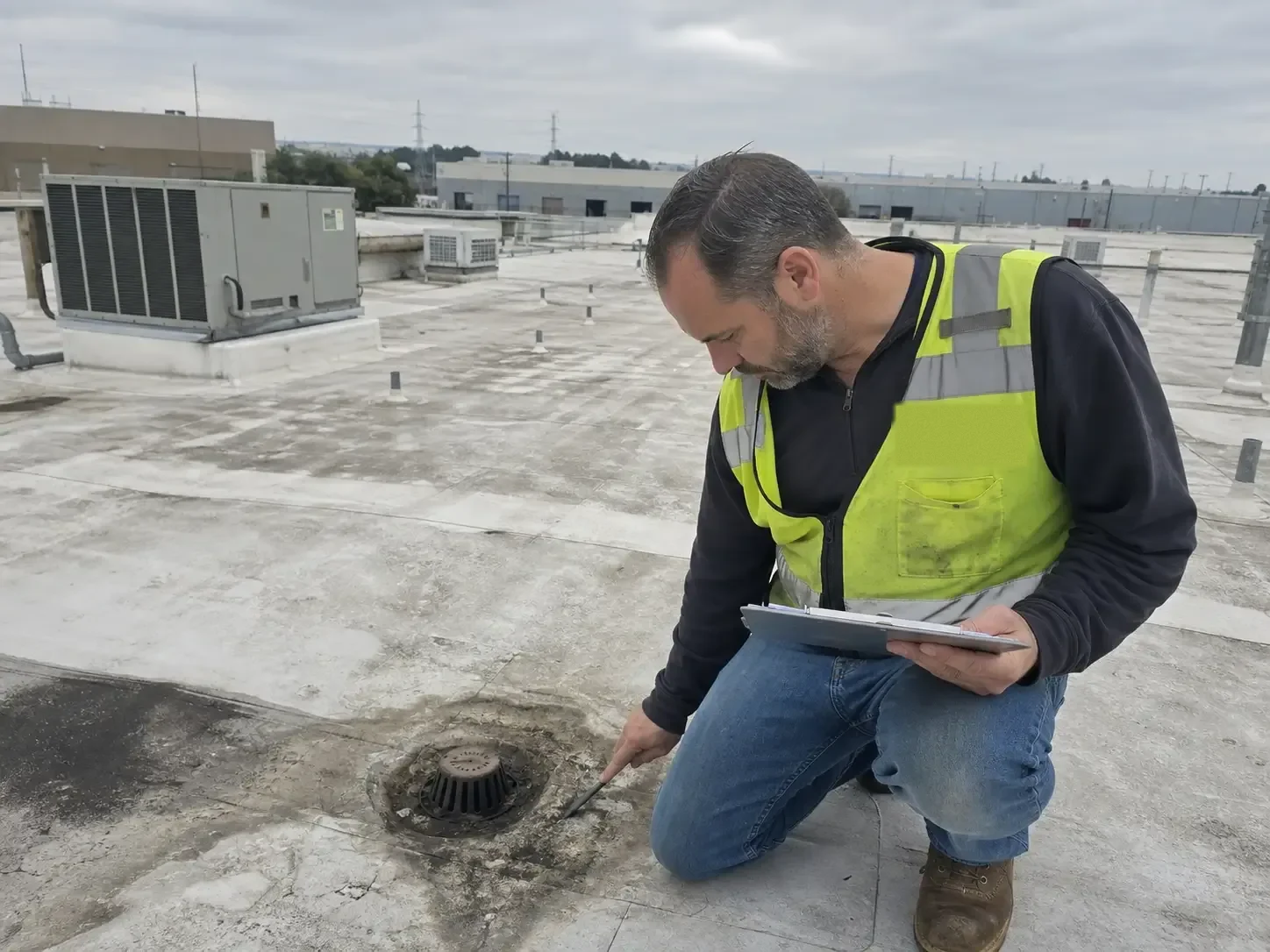
Chalking at a roof drain prompts a surface check before anyone selects a coating. In Meridian, we inspect adhesion, cracks, seams, penetrations, and wet areas. The first visit also checks drainage and the edge condition. We ask who can authorize test cuts and provide roof access. A coating can restore a sound surface. It cannot correct a wet or unstable assembly by covering it.

Boise Air Terminal is a nearby climate proxy. Its July average high is 92.7°F, using Boise Air Terminal as the regional proxy. July precipitation averages 0.21 inches, using nearby Boise Air Terminal weather records. Those regional figures inform heat and dry-window planning. The roof’s actual surface and forecast determine the work date. At Eagle View Landing, office, retail, medical, and corporate-campus spaces require building-specific access coordination. We set the visit with the person responsible for that roof.

Check the existing surface

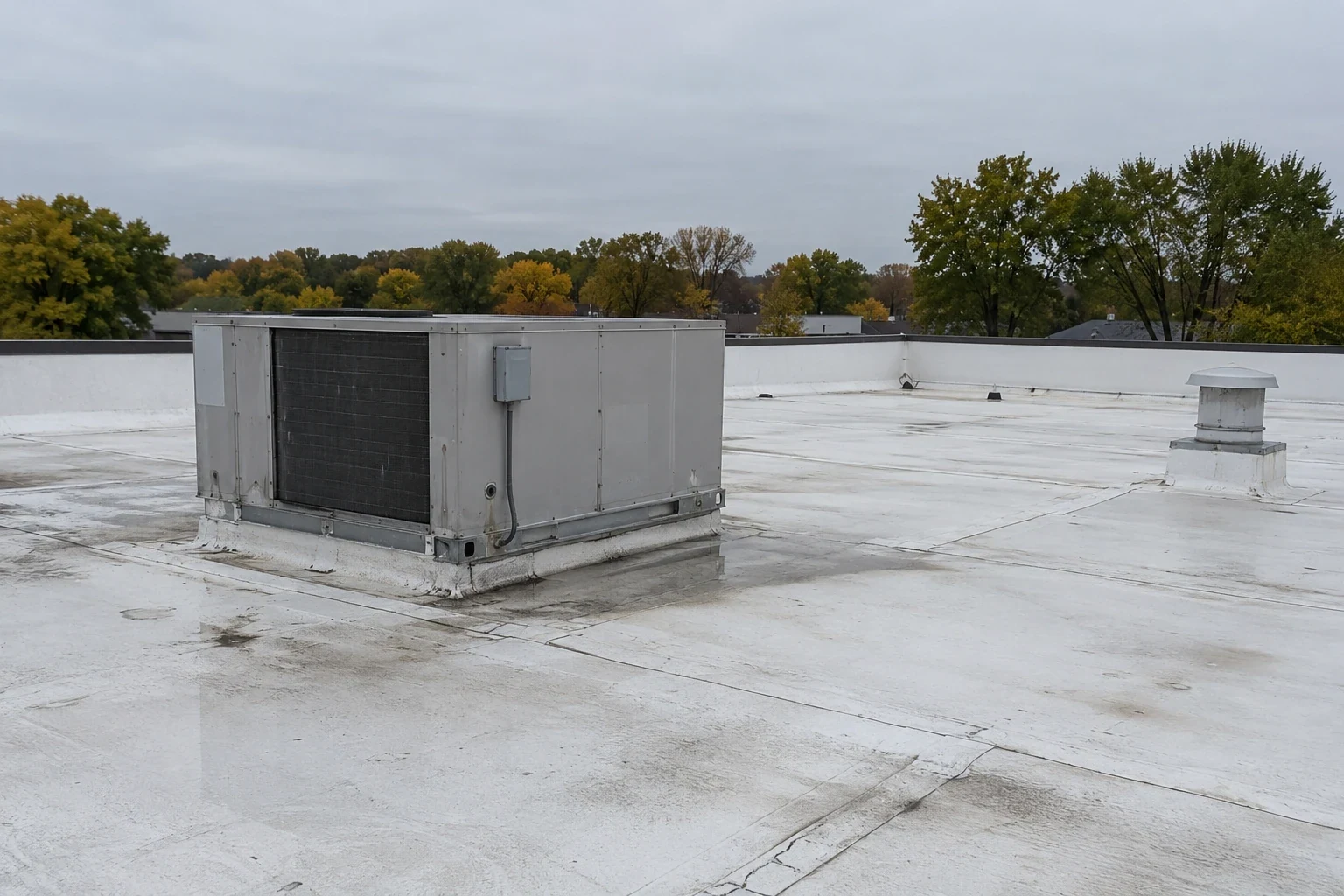
Coating eligibility starts with what is already on the roof. We inspect the membrane or metal surface for open seams, failed flashing, loose fasteners, corrosion, punctures, blisters, and signs of water entry. We check whether prior coatings remain bonded. A test area can help evaluate adhesion and compatibility. If the surface is dirty, brittle, wet, or unstable, preparation or repair must come before any restorative layer.

Concealed moisture requires a separate check. We review leak history and interior marks, then map areas that need closer inspection. Infrared scanning may help locate temperature patterns. Test cuts can confirm insulation condition at selected locations. The photo log labels suspected areas separately from confirmed wet material. We do not treat a coating as a substitute for removing damaged insulation or repairing a failed deck.

Meridian’s industrial planning includes warehouses, flex buildings, storage, and light manufacturing. That range can mean varying equipment activity and roof penetrations. We inspect each roof directly. We identify drains, curbs, skylights, wall transitions, and service routes. If findings show a local defect, the owner can authorize detail repairs before coating. A broad condition review may require a hands-on roof inspection.

Set the restoration boundary

We define which areas qualify before estimating the coating scope. The boundary follows the actual assembly and surface condition. We mark areas needing patching, flashing work, corrosion treatment, or removal. We also identify portions that should remain outside the coated zone. A roof may have several substrates or earlier repairs. Each transition needs a compatible connection and a clear work note.

Drainage remains part of the review. Added coating thickness can affect drain bowls, scuppers, overflow paths, and membrane terminations. We check low areas and water routes before writing the scope. If a drain is damaged or the roof holds water, the proposal should address that condition separately. Coating over a standing-water problem does not correct slope or restore a blocked outlet.

At Ten Mile Crossing, a mixed commercial area includes retail, office, light-industrial, and nearby residential uses. The location affects delivery and work access, not roof eligibility. We document the roof surface at the actual building. If one section qualifies and another does not, we show the separate boundaries. The owner can compare coating with a recover assessment or replacement scope using mapped conditions.

Commercial Roof Coating Restoration in Meridian, ID

Select a compatible coating

Coating choice follows the substrate and the intended repair. Silicone and acrylic systems have different water, surface, and application considerations. We check compatibility with the existing membrane or metal, prior coatings, primers, and repair materials. We also review the specified dry-film thickness and reinforcement details for seams or transitions. The product system must match the prepared surface and project requirements.

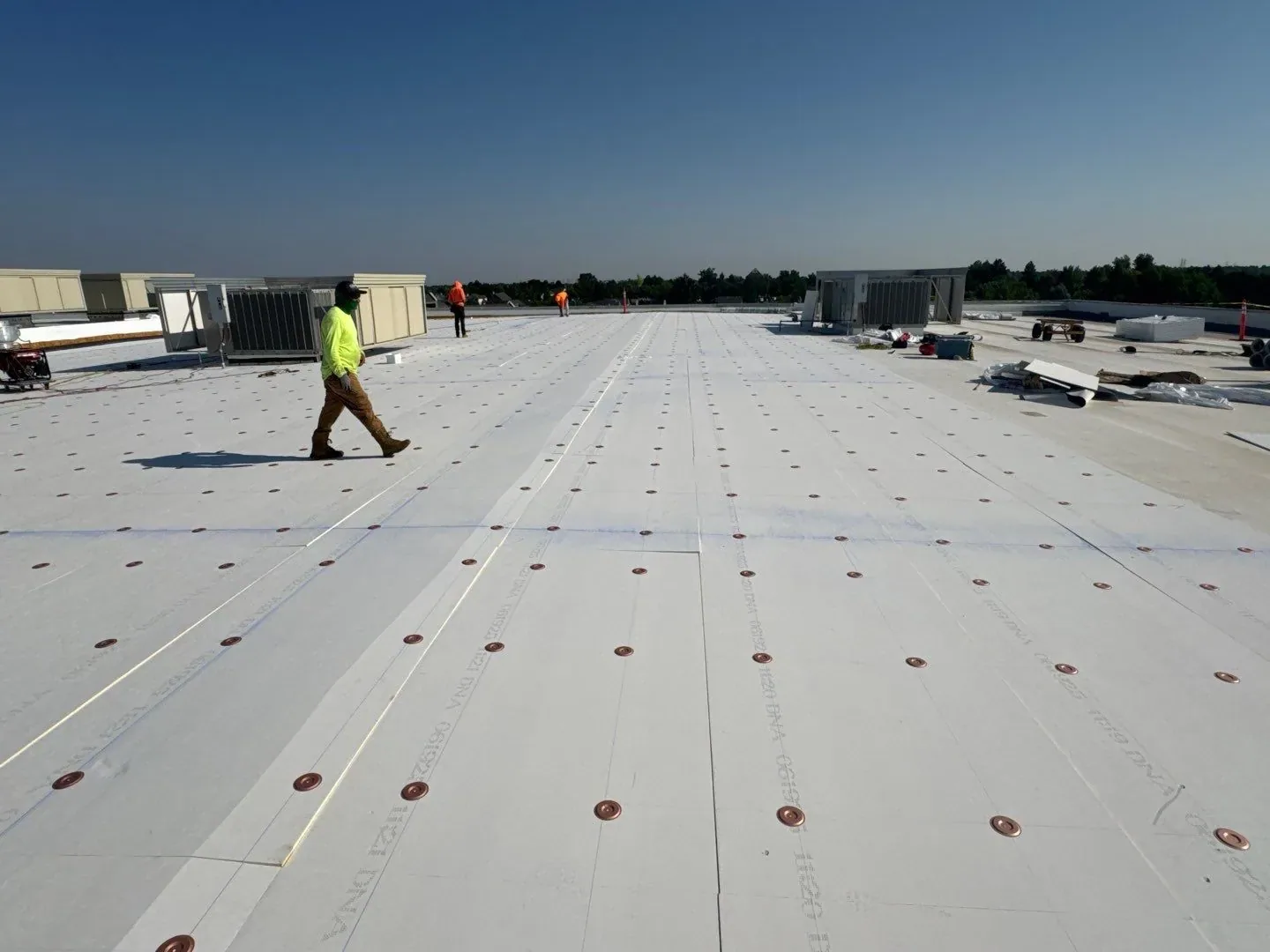
Surface preparation takes time. We remove dirt and loose material, treat compatible repairs, and detail penetrations and transitions. A coating needs a clean, dry surface within the product’s application limits. Temperature, dew point, and rain forecast affect the application window. We explain how much roof area can be opened and closed during a shift. The daily plan protects unfinished sections and avoids leaving exposed substrate.

For a roof with isolated seams or curb failures, coating alone may not address the defect. We can repair those details before the field application. A silicone coating system or acrylic coating system should be selected only after surface review. The specification should identify preparation, reinforcement, application areas, and exclusions. That record helps the facility director inspect completed work.

Commercial Roof Coating Restoration in Meridian, ID

Protect the application window

Meridian’s dry summer pattern can create workable application windows, but the daily forecast still controls. We check roof temperature, moisture, wind, and the chance of precipitation. Cold nights can affect cure and return timing. We do not apply over a wet surface or outside the material limits. If conditions shift, we pause and secure the work area rather than continue with a poor bond risk.

We coordinate roof hatch access, lifts, staging, tenant routes, and equipment work with the property contact. Rooftop units may need to remain operational. Exhaust discharge, service traffic, or overspray controls can affect the sequence. The facility director identifies sensitive areas and required notices. At The Village at Meridian, retail, dining, entertainment, and offices create a distinct delivery setting. We confirm the work window with the responsible building contact.

The proposal identifies areas completed each day and how we will protect transitions. We record weather conditions and any substrate changes. If water entry is active, temporary protection can be arranged while permanent coating work waits for a suitable window. Emergency dispatch is available around the clock, including holidays. That response remains separate from the preparation and curing requirements for a coating project.

Commercial Roof Coating Restoration in Meridian, ID

Record the finished system

Closeout notes identify the coated roof zones, surface preparation, repair details, and areas left outside the scope. We photograph transitions, drains, penetrations, and completed field sections. The owner receives a record of any approved changes and open recommendations. If a later inspection finds a concern, the crew can compare it with the application boundary and substrate notes.

Coated roofs still need direct checks. We review seams, drains, terminations, equipment work, and areas with standing debris. Roof traffic can damage a finished layer. The property contact should report new mechanical or electrical work. A scheduled maintenance visit can keep those details on the inspection route. Owners can store the image set in a condition report.

At Silverstone Business Park, business offices and meeting rooms create a managed access environment. The building representative confirms roof entry and service timing. We keep those instructions with the roof record. If a coating no longer fits the observed conditions, we identify the repair, recover, or replacement options supported by inspection. The owner receives a defined next action instead of a general recommendation to recoat.

How do you know if a roof can be coated?

We inspect surface condition, adhesion, seams, flashing, moisture, drainage, and compatibility with the proposed system. Test cuts may be needed. Wet insulation, unstable material, or unresolved water entry can require repair or removal before coating.

Will coating seal an open seam or curb corner?

A failed detail needs preparation and repair before field coating. We inspect the seam or curb, define its repair boundary, and specify compatible reinforcement. The coating then follows the written application scope.

What weather conditions affect coating work in Meridian?

Roof temperature, surface moisture, dew point, wind, and rain forecast all affect application. Cold nights can change cure timing. We check current conditions and follow the product limits before opening each work zone.

What should the closeout record include?

Keep the system identification, preparation notes, repair locations, coated zones, photographs, and any exclusions. Those details help the facility team check later equipment work and compare future inspections with the original scope.

Check coating eligibility

Send the Meridian address, roof system if known, leak history, recent repairs, and site access contact. We will inspect the surface and drainage, map eligible areas, and define preparation and repair needs.

Call 555-555-5555 or fill out the form and we will be in touch.

Got a Leak?

For active leaks, storm damage or other urgent roof problems, call us directly at: 555-555-5555.

ServicesRoof SystemsProperty TypesIndustriesService AreasDamage RepairCapabilitiesManufacturersAboutRequest a Roof Assessment555-555-5555
Call555-555-5555