Report the Roof Damage
Call 555-555-5555 or fill out the form and we will be in touch.

Inspect and repair commercial roof leaks, wind effects, ponding, flashing, seams, punctures, fire, winter, and heat-related damage in Meridian.
Water on a ceiling, lifted edge, or split membrane needs a direct roof inspection. We locate the reported area, check connected details, and record what the evidence supports. Meridian’s summer heat and winter freezing conditions can affect exposed materials and drainage. Climate figures use nearby Boise Air Terminal as a regional proxy. They do not replace a roof walk.
A site at Eagle Road and a property at Ten Mile Crossing have distinct access plans. The address, roof zone, and owner’s operating constraints guide the response.
We check seams, flashing, drains, curbs, penetrations, edges, and earlier patches. Photos connect findings to a roof zone. A suspected water path stays separate from a confirmed defect. When hidden conditions could change the boundary, we explain whether scanning or a test cut is useful.
Wind-related roof repair begins with attachment, edge, and flashing checks. Ponding-water repair starts at drainage, slope, and retained water. A flashing review checks terminations and corners. A seam inspection identifies separation and repair compatibility.
A membrane puncture needs a compatible patch and sound perimeter. A fire-damage inspection records affected materials and exposed openings. A winter damage review checks freeze-related effects and drainage. Heat and UV damage calls for inspection of seams, sealants, and exposed surfaces.
We define preparation, material, tie-in, and work edge. Wet insulation, weak attachment, or deck damage may change the plan. The owner reviews new evidence before removal expands. Coating does not correct an unstable substrate.
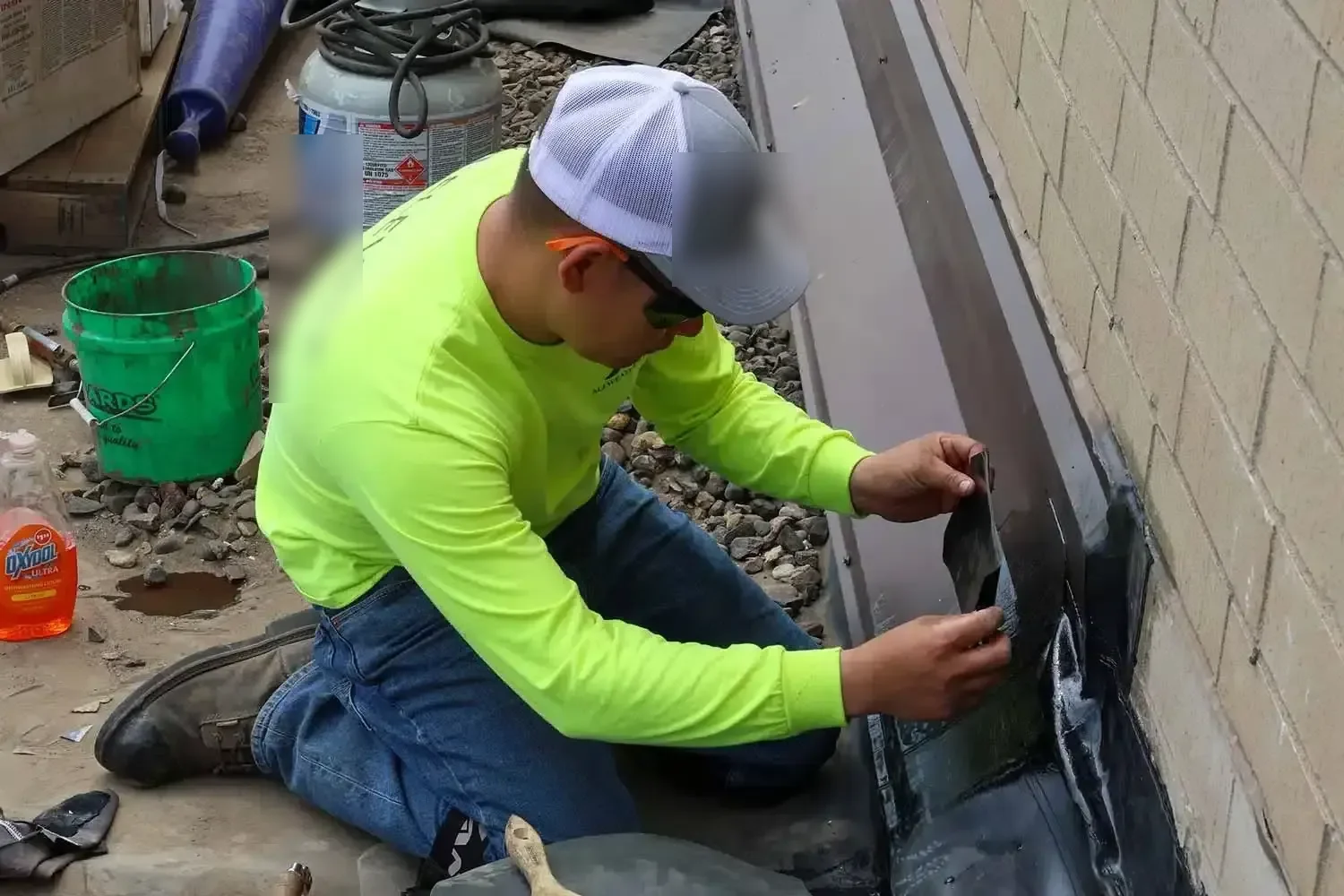
For a damage call, give dispatch the site number, affected space, roof history, and person authorizing entry. Urgent reports are taken overnight and on holidays. The owner sets loading, hatch, escort, and interior safeguards; moisture and equipment access affect the permanent-repair window.
A temporary measure is recorded by location and approval. If conditions prevent repair, the crew states what must change before returning. The owner receives an update on completed work and remaining exposure.
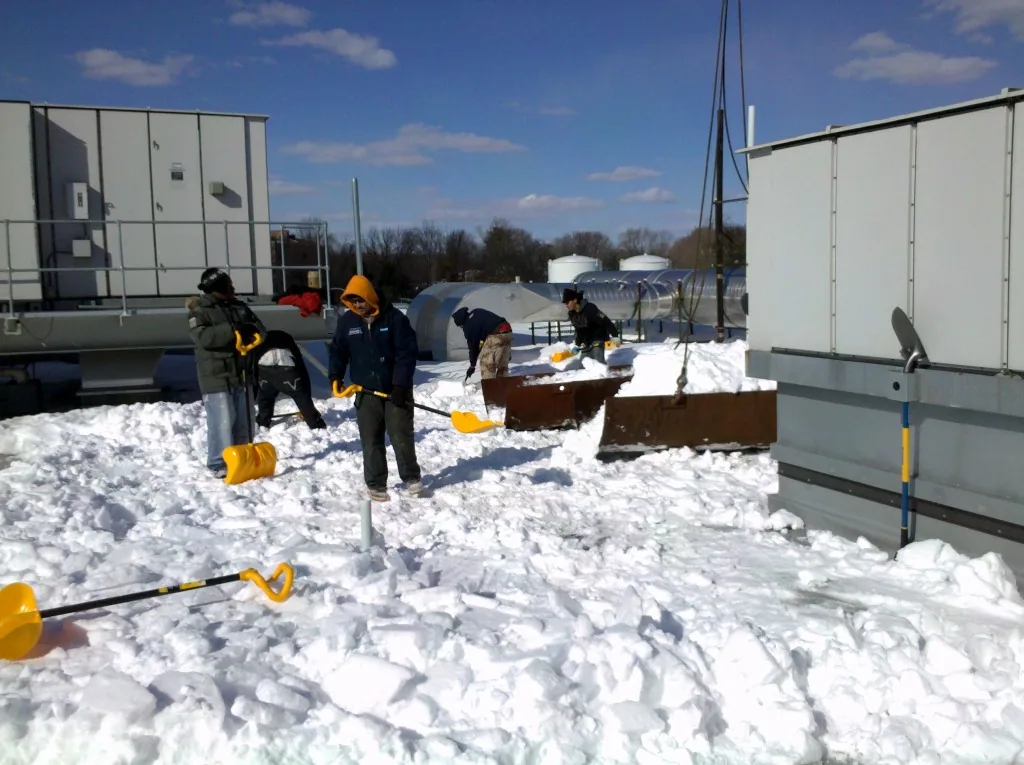
Closeout records the defect, material, repair boundary, photos, and any area left untested. Later reports begin with their own time and location until an inspection confirms a connection. A roof inspection can establish the condition after repair, while maintenance can revisit drains, seams, and edges on an owner-approved schedule.
To start a damage review, identify the building, visible symptom, and decision-maker for roof entry. We document what the field check confirms and leave any unresolved section explicit.
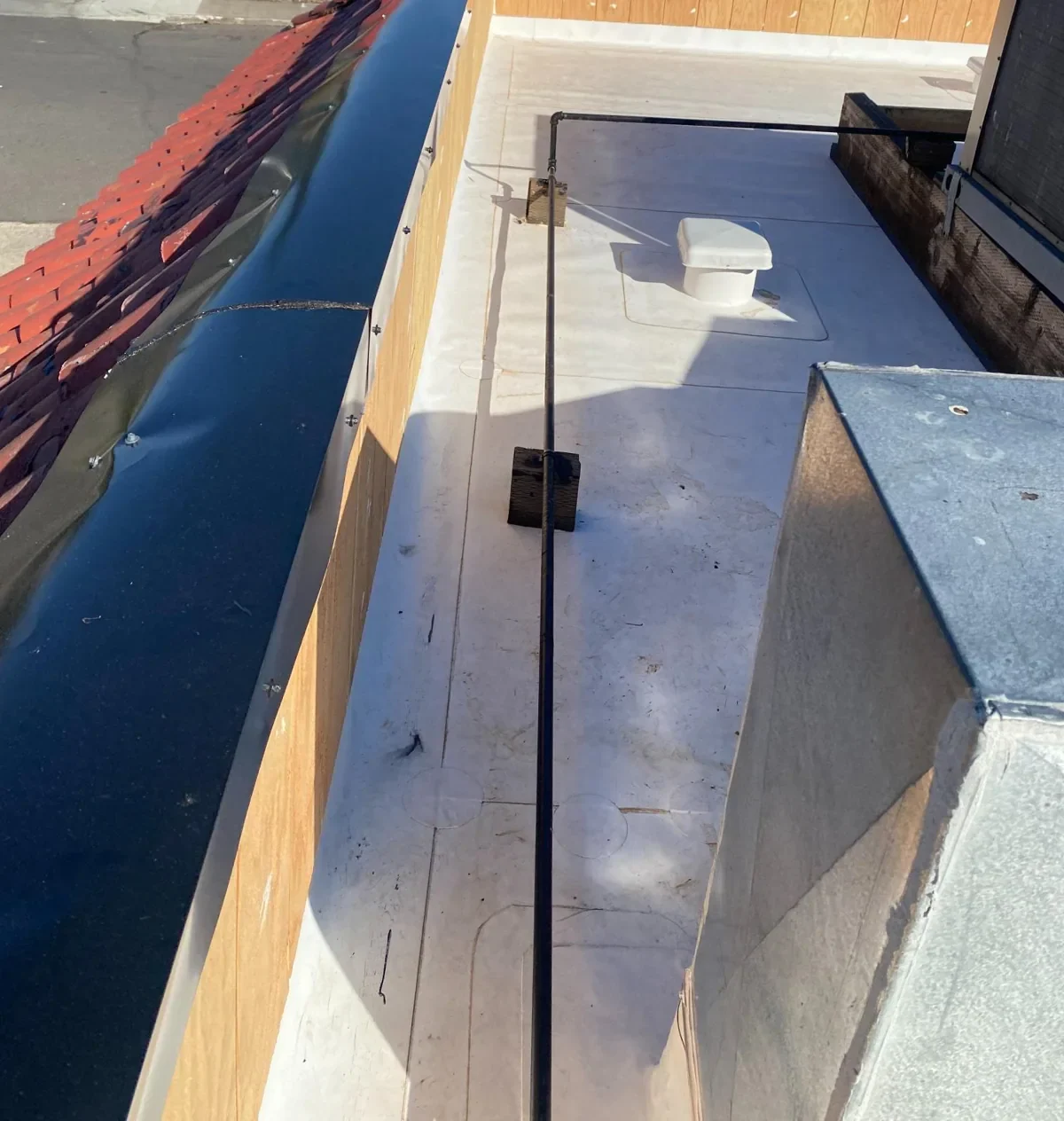
Provide the Meridian address, active leak location, roof history, and access contact. Dispatch will set a first inspection and document the repair boundary.
No. A ceiling stain marks where water appeared, not a confirmed opening. We inspect the rain path, drains and seams before identifying the damage boundary.
A coating only fits certain conditions. We inspect the surface, drainage and moisture first; punctures, lifted flashing or wet insulation need their own repair plan.
Photos and dispatch notes identify the affected roof zone, visible details and access limits. A regional weather report does not establish damage at the property.
A temporary cover needs a defined boundary, secure tie-in and clear drain path. We record its limits and list the permanent correction for a separate visit or approval.
Call 555-555-5555 or fill out the form and we will be in touch.