Commercial Roof Inspection in Meridian, ID

Schedule a commercial roof inspection in Meridian, ID with mapped findings, photographs, moisture checks, repair priorities, and access coordination.

Commercial Roof Inspection

An open lap at a drain tells us where to look next. For a Meridian commercial roof inspection, the first pass checks the membrane field, seam pull, drain bowl, overflow path, curb corners, and perimeter details. We ask what prompted the visit, who can grant roof access, and whether recent equipment or repair work changed the surface. The inspection record ties each finding to a roof area so the owner can review the evidence and next steps.

Nearby Boise Air Terminal normals show July highs averaging 92.7°F and a December low averaging 25.4°F. Those regional readings help plan seasonal review. We measure and document roof conditions at the property. We inspect the assembly in front of us. A facility near Eagle Road may have different access and tenant traffic from a warehouse in an industrial employment area, so the visit begins with the property contact and operating schedule.

Walk the roof in zones

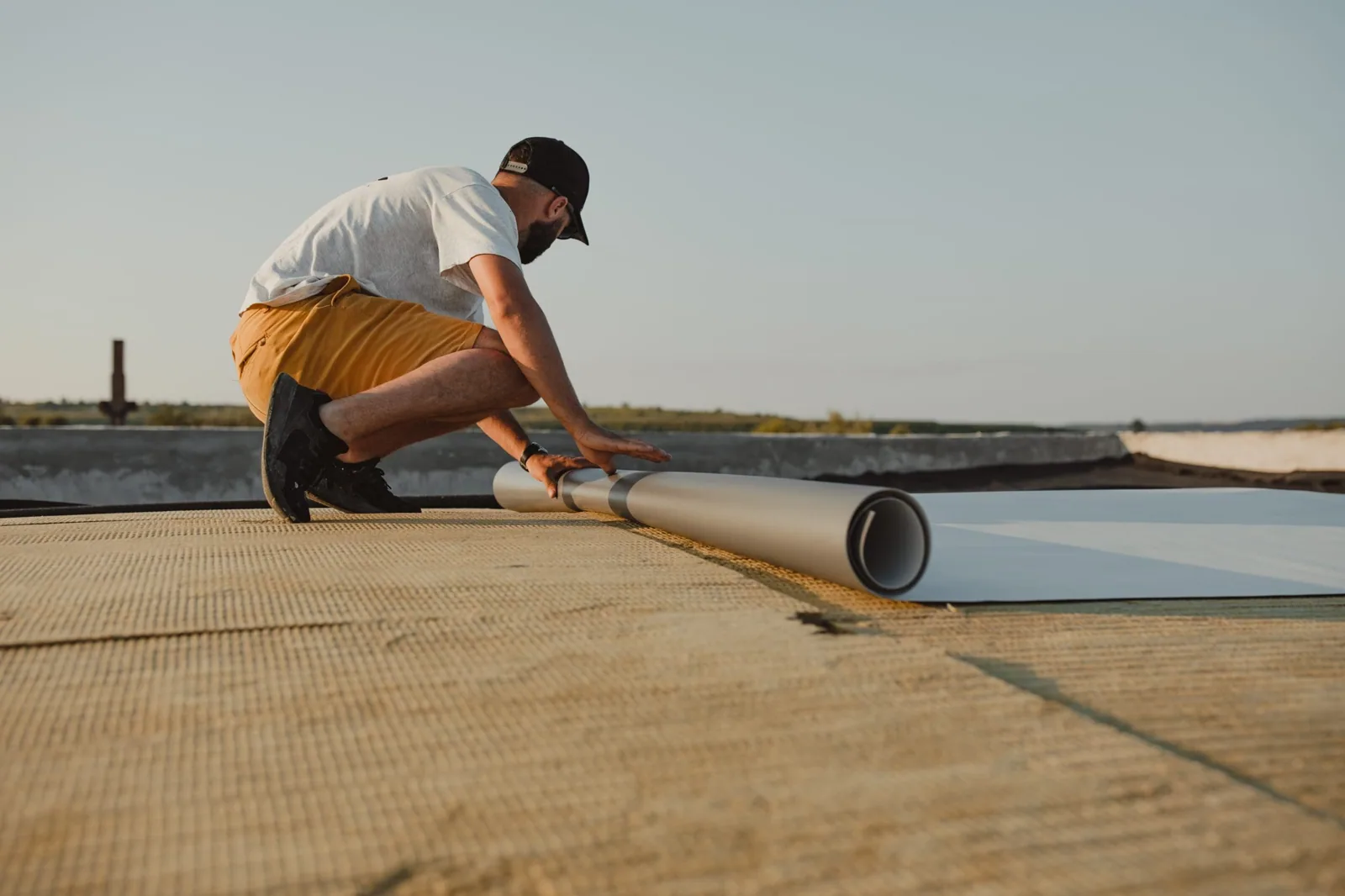
We divide the roof into sections that make the findings usable. The walk records seams, patches, penetrations, equipment curbs, skylights, drains, scuppers, edges, and visible surface damage. We note ponding evidence, debris, open flashing, exposed fasteners, and areas where equipment service may have disturbed the membrane. Photos capture the location and condition. A finding is not given a cause unless the inspection supports that conclusion.

Interior observations add context. We ask the building contact about stains, active leaks, recurring calls, and areas with sensitive equipment or inventory. The interior mark may help direct the roof review, but it does not establish the entry point. If water can travel within the assembly, we identify likely paths and note whether more testing is needed. At the Fields Subarea, planned mixed-use and industrial employment areas create varied building operations; we confirm the specific facility and access procedures rather than infer them from its location.

When a question requires confirmation below the membrane, we recommend a test cut at an agreed location. The opening can show insulation and deck conditions at that point. If a broad roof needs moisture mapping, infrared survey work can help identify areas for closer review. The inspection report distinguishes visual observations from test results and identifies areas the crew could not access.

Connect findings to drainage

Drainage review follows the path from the field to the outlet. We check drain bowls, strainers, scuppers, overflow routes, and visible low areas. We look for debris, displaced components, blocked outlets, and signs that water has stayed on the roof. The inspection notes whether the flow path is clear on the day of the visit and what maintenance or repair action may be needed. We do not treat a clear drain at one moment as proof that the full roof drains properly in every condition.

nearby Boise Air Terminal normals show only 0.21 inches of average precipitation in July, compared with 1.41 inches in January. That contrast supports checking drainage before winter conditions, while roof slope, outlet placement, and actual debris determine the finding. We report the observed condition and identify whether additional design review is needed. We also check that overflow openings are visible and not covered by later work.

Roof penetrations can interrupt the water path. We inspect curbs, conduit supports, pipes, skylight transitions, and wall terminations for open corners, loose counterflashing, or incompatible repairs. The report groups related findings when they share a roof area, but keeps separate issues distinct. That helps the owner authorize a repair scope without confusing it with unrelated maintenance items.

Commercial Roof Inspection in Meridian, ID

Rank the work by evidence

The written report lists observed conditions, supporting photographs, location, recommended action, and any follow-up testing. We separate items needing prompt attention from planned maintenance and longer-range capital work. A priority is based on what we observed and the practical effect of delay, not an unsupported claim that the roof will fail by a certain date. The owner can review each item against current operations and available records.

We identify uncertainty directly. A concealed condition may require a test cut; an inaccessible section may need a return visit; an interior mark may have more than one possible route. The report says which evidence supports the recommendation and which question remains open. That gives the property manager a way to approve the next inspection without treating a preliminary observation as a final diagnosis.

For a replacement decision, we map the repair boundary and note where the assembly appears serviceable. For a recover review, we identify the test areas and layers requiring confirmation. If the owner is planning multiple properties, a condition report can preserve a baseline for each address, while capital planning can group actions by urgency and budget cycle.

Commercial Roof Inspection in Meridian, ID

Prepare the inspection window

Before arrival, we confirm address, roof access method, hatch key, escort contact, operating hours, and any safety restrictions. The site contact points out interior areas with reported problems and tells us where photography is restricted. If equipment needs to be shut down or a tenant notified, we coordinate with the responsible person. A clear access window lets the inspection follow a planned route rather than interrupt operations as conditions arise.

The inspection may include hands-on walking, drone imaging, or moisture survey work. We explain each method’s limits. At The Village at Meridian, retail, dining, entertainment, and office activity creates different pedestrian and service routes; the property contact helps us choose a delivery and access plan. We keep tools and staging within approved areas.

Ice, standing water, wind, and heat can change the route or delay access. We list uninspected areas and arrange a return when conditions allow.

Commercial Roof Inspection in Meridian, ID

Use the record after the visit

Owners can use the report to scope immediate repairs, schedule maintenance, and preserve roof history for later decisions. We can walk through photographs with the facility team and identify which questions need a trade partner, design professional, or additional testing. The record should include roof area labels that the next site contact can recognize. If a new leak occurs, those labels speed dispatch without assuming it shares a prior cause.

A maintenance visit can check drain bowls, overflow paths, seams, flashing, and areas where equipment work occurred since inspection. We can update the condition record after approved repairs and note remaining items. Along the Eagle Road corridor, a mixed commercial portfolio may have separate access contacts; keep each building’s key instructions beside its own roof history. That makes the next inspection and any emergency response easier to coordinate.

When an inspection identifies widespread wet material or repeated detail failure, we explain whether repair, recover, or replacement warrants a closer comparison. The owner gets documented findings before choosing the next scope. A recover assessment or replacement review then starts from the same mapped roof conditions.

What will the inspection report tell me?

It records the areas inspected, visible conditions, photographs, recommended actions, and questions that need more testing. We separate urgent repairs from maintenance and planning items. The report also states limits, such as an inaccessible roof area or a condition that needs a test cut, so the owner can see what the visit did and did not establish.

Can you inspect a roof after equipment service?

Yes, we can review the affected work zone and nearby membrane, curbs, supports, and seams. Share the mechanical work date and any contractor photos or notes. We document visible disturbance and recommend a test or repair only when findings support it. Access coordination with the equipment team may be needed.

Do you need to enter the building?

Interior access helps when the inspection follows a reported leak or ceiling stain. The facility contact can show the affected area and explain timing. For a general roof condition visit, interior access may not be needed, though maintenance and leak history still help focus the walk. We agree on the visit scope before arrival.

How should a portfolio manager use the findings?

Keep the report with the property’s roof history, approve priority repairs, and track open questions for the next budget or site visit. If several buildings are involved, retain separate photos and access instructions for each address. A current condition record helps compare scopes without assuming roofs share the same assembly or repair needs.

Schedule a roof inspection window

Send the Meridian property address, reason for inspection, roof history, access contact, and any areas with active water entry. We will confirm the visit scope, document findings, and provide a photo log with recommended next actions.

Call 555-555-5555 or fill out the form and we will be in touch.

Got a Leak?

For active leaks, storm damage or other urgent roof problems, call us directly at: 555-555-5555.

ServicesRoof SystemsProperty TypesIndustriesService AreasDamage RepairCapabilitiesManufacturersAboutRequest a Roof Assessment555-555-5555
Call555-555-5555