Commercial Cool Roof Installation in Meridian, ID

Plan a commercial cool roof in Meridian, ID with surface review, assembly selection, drainage checks, access coordination, and clear project records.

Commercial Cool Roof Installation

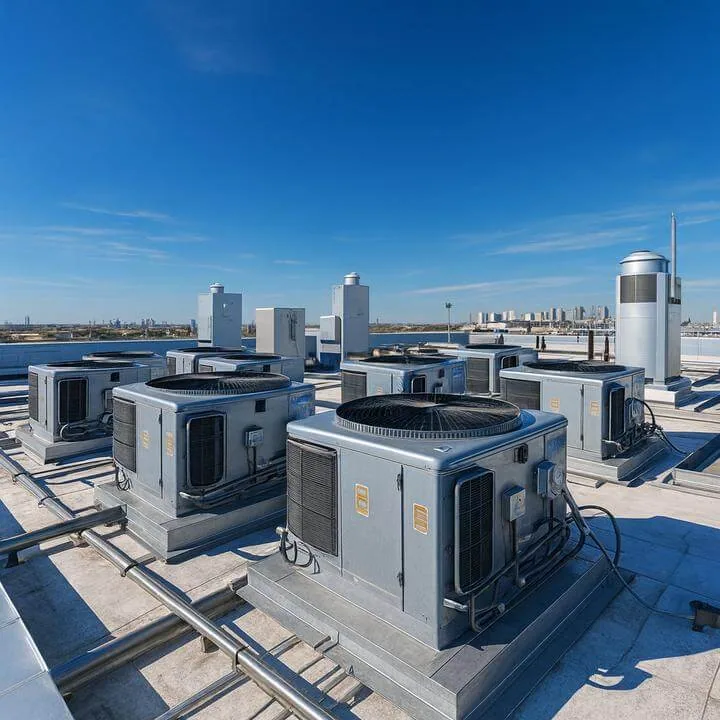
A dark membrane beside rooftop equipment puts surface heat on the inspection list. In Meridian, we check membrane condition, insulation, attachment, drainage, and unit clearances. The first visit also confirms roof access and service history. A reflective surface may suit a sound assembly. It will not repair wet insulation or a failed seam by itself.

Nearby Boise Air Terminal normals show a July average high of 92.7°F. August precipitation averages 0.17 inches, based on the Boise Air Terminal regional proxy. Those regional values frame heat and dry-weather planning. We inspect the actual roof and review product requirements. At the Village at Meridian, retail, dining, entertainment, and office activity can shape delivery and tenant coordination.

Check the existing assembly

Cool roof planning starts below the surface color. We inspect the membrane, insulation, cover board, seams, flashing, and attachment. We map wet or damaged areas and identify test cuts when the assembly hides its condition. A reflective coating or membrane should not cover a defect without a repair plan. The photo log ties each observation to its roof zone.

We check drainage before adding a new layer. Drain bowls, scuppers, overflows, and transitions must remain clear. A change in thickness can affect curbs and door thresholds. We also check equipment clearances and roof access paths. If water stays at a low point, we identify whether cleaning, repair, or slope review is needed before a cool roof system is installed.

Meridian’s building plan includes office, industrial, mixed-use, and commercial areas. The Fields Subarea plan includes retail, offices, civic uses, schools, and industrial employment areas. Each roof needs its own review. We do not assume surface color or system from the property use. A roof inspection can document the current assembly before options are compared.

Compare reflective systems

A cool roof can use a reflective membrane or coating, depending on substrate and design. TPO and PVC are single-ply options. Silicone and acrylic coatings may fit eligible existing surfaces. Each choice has preparation and application requirements. We review membrane compatibility, seams, flashing, attachment, and the roof’s current moisture condition before recommending a system.

Reflective properties are only one factor. Roof geometry, drainage, equipment, insulation, and maintenance access also matter. We explain how the selected system handles transitions and penetrations. We record the existing membrane, substrate, test results, and approved repair boundary before material orders and staging. If the building has several roof types, we separate the areas and describe where one system may not fit. We avoid promising a specific energy result without building data and an appropriate analysis.

A manager can compare a TPO roof, PVC membrane, or silicone coating after we confirm the substrate. The choice should reflect actual roof conditions. We also review whether an existing assembly can accept a recover or needs removal. The proposal identifies preparation and repair requirements.

Commercial Cool Roof Installation in Meridian, ID

Prepare every transition

Reflective systems need reliable tie-ins. We inspect curbs, skylights, edges, drains, and wall terminations. We identify loose flashing and open seams before coating or membrane work begins. A coating project may require reinforcement at seams and penetrations. A new membrane needs secure attachment and a clear drainage path. The work scope lists details and exclusions.

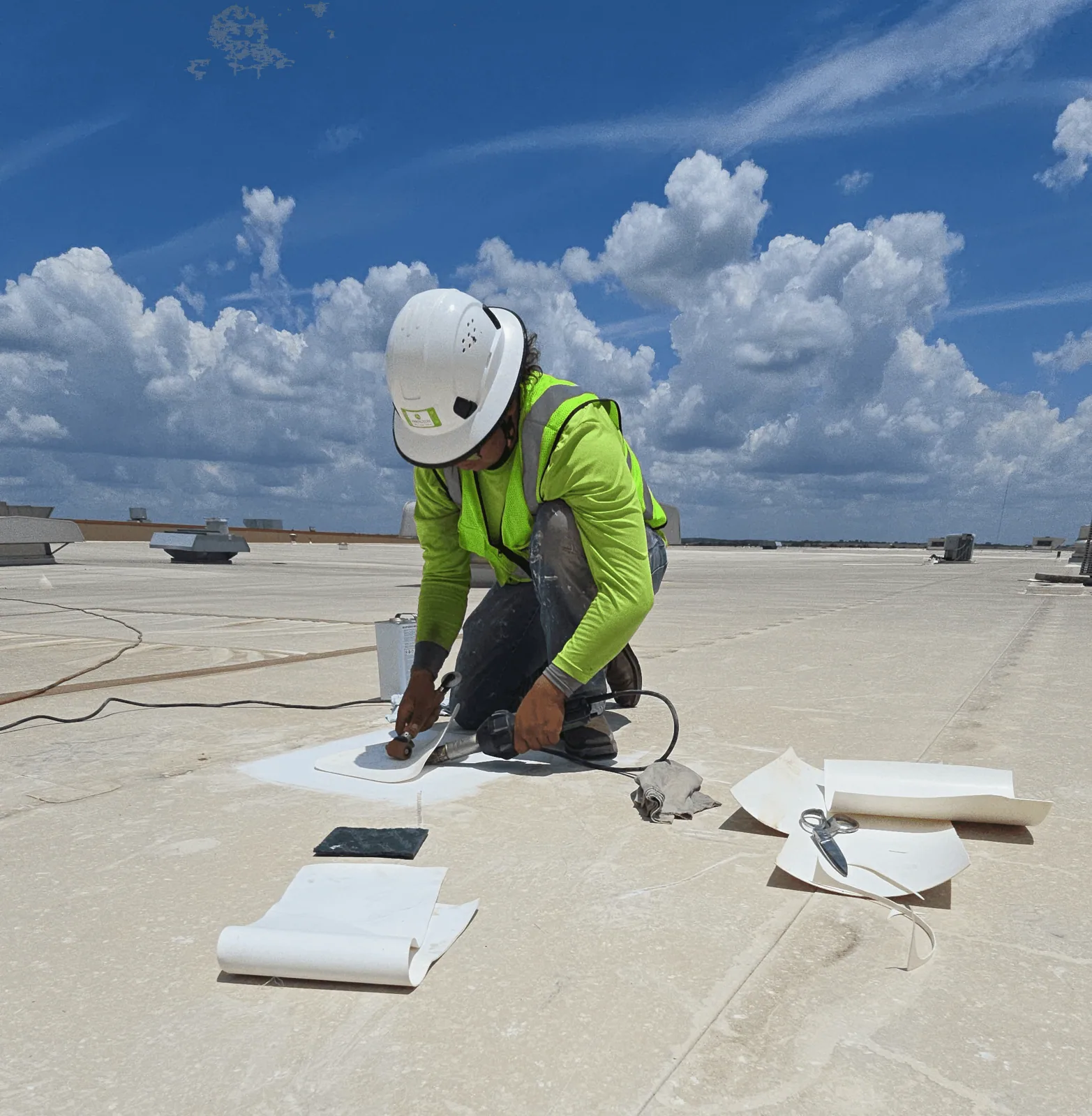
Surface preparation affects adhesion. We remove loose material and clean the approved area. We repair damaged details and verify the surface is dry. Coating application depends on temperature, moisture, and forecast. Membrane work follows the assembly and attachment requirements. We identify when weather may change the sequence and how exposed zones will be closed.

At Ten Mile Crossing, office, retail, restaurants, and medical services share a mixed commercial area. We coordinate the roof window and material staging with each building contact. A reflective roof project there may need tenant notices and delivery controls. A coating restoration can apply where the existing roof qualifies. A replacement plan may fit if the layers or substrate cannot remain.

Commercial Cool Roof Installation in Meridian, ID

Plan around heat and operations

Meridian summers are hot and dry on average. The surface still needs to meet product limits during preparation and installation. We check roof temperature and weather before opening a work zone. Cold winter nights can affect cure timing and access. We review the forecast each day and protect exposed layers before leaving the roof.

Operations determine access and sequence. We coordinate hatch keys, lift routes, tenant entries, and rooftop equipment. The site contact identifies sensitive spaces and the person who can approve a shutdown. The Village at Meridian includes retail, restaurants, entertainment, and office space. Those uses can require a different delivery window from an industrial building. We set work hours with the property representative and confirm staging access.

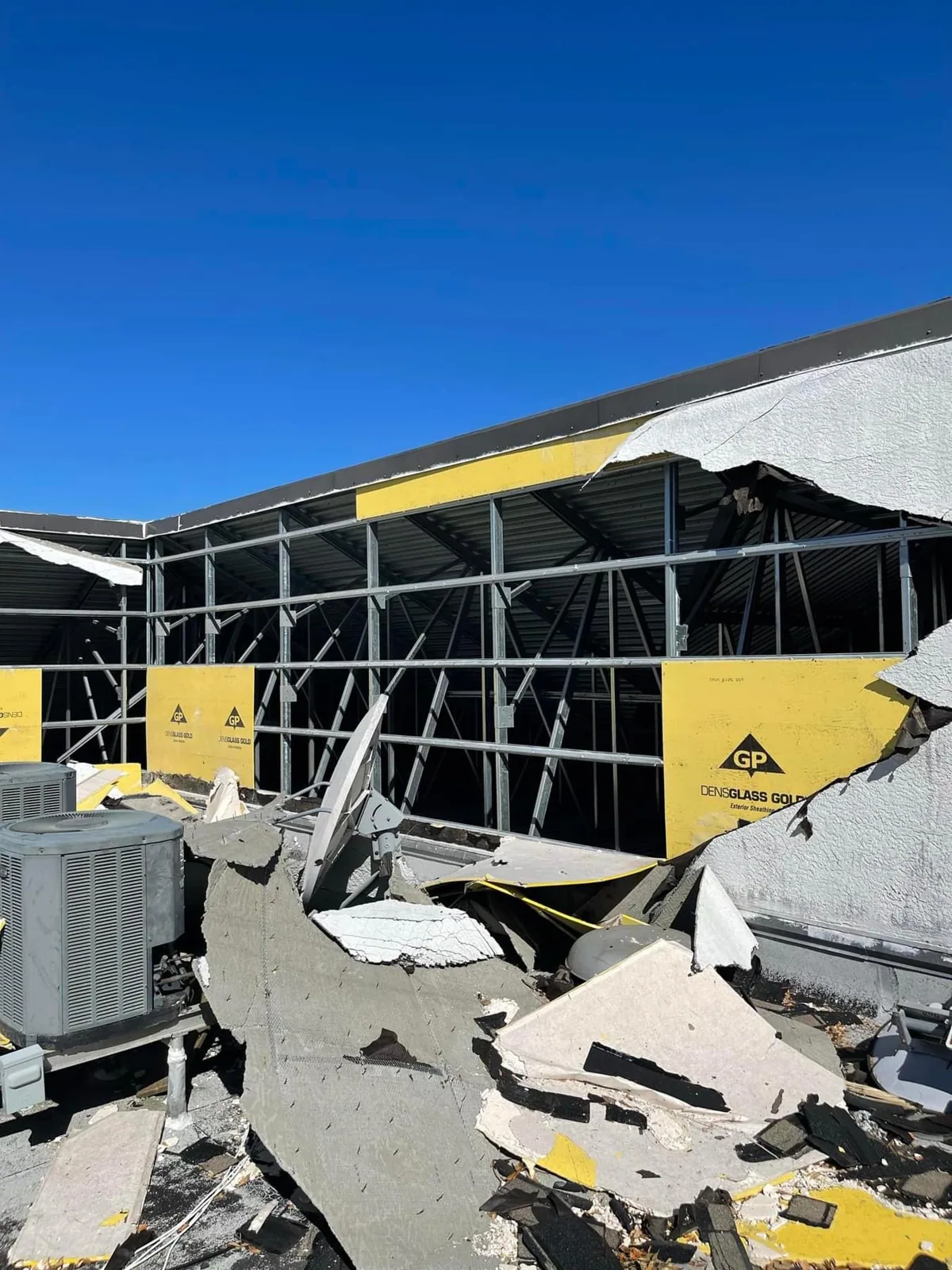
If a leak is active, dispatch handles immediate protection separately from the planned reflective system. An active leak can be escalated to dispatch after hours, including on holidays, with the address and access contact. The facility director should send the address, leak location, and access contact. A cool roof installation proceeds after the substrate is ready and weather allows the specified work.

Commercial Cool Roof Installation in Meridian, ID

Track the finished roof

Closeout photos show the roof zones, seams, drains, equipment curbs, and transitions. We identify the system installed and list any details that remain outside the scope. The record notes preparation and repair work. If a later issue appears, the owner can compare its location with the installation boundary and service history.

Reflective systems still need inspection. Debris, equipment service, and foot traffic can affect seams or coating. A maintenance visit can check drains and visible details. A condition report can preserve images and open items. We identify follow-up needs based on the roof, not a generic calendar promise.

Send the Meridian address, roof type if known, leak history, equipment constraints, and access contact. We will inspect the assembly and drainage. The report will identify suitable system choices and any repairs needed first. Owners can review that scope against operating schedules and available roof records.

How should I judge the operating benefit of a reflective membrane?

Roof reflectance can change solar heat absorption. Actual building energy use depends on insulation, HVAC equipment, hours, controls, and other conditions. We describe the roof system and avoid promising savings without a building-specific analysis.

Can a cool coating go over the existing membrane?

Only when the surface, moisture condition, and material compatibility support it. We inspect seams, flashing, adhesion, and wet areas first. Repairs or removal may be needed before coating.

Will the new layer affect drains or curbs?

Added thickness can change drain, overflow, curb, and threshold transitions. We measure and photograph those details before finalizing the system. The scope includes corrections needed to preserve water flow and secure flashing.

What should Meridian’s facility team provide before the review?

Send the roof plan, system history, current leak areas, equipment schedule, and access contact. We also need any tenant or shutdown limits. That information helps set a useful inspection route.

Review the roof before selecting a cool system

Share the Meridian address, current roof system, reported defects, equipment schedule, and access contact. We will check moisture, transitions, drainage, and preparation needs before recommending a reflective assembly.

Call 555-555-5555 or fill out the form and we will be in touch.

Got a Leak?

For active leaks, storm damage or other urgent roof problems, call us directly at: 555-555-5555.

ServicesRoof SystemsProperty TypesIndustriesService AreasDamage RepairCapabilitiesManufacturersAboutRequest a Roof Assessment555-555-5555
Call555-555-5555