Warehouse Roofing in Meridian, ID

Warehouse roofing in Meridian, ID starts with drain, seam, and equipment checks. We plan repair and replacement around freight access and operating hours.

Warehouse Roofing

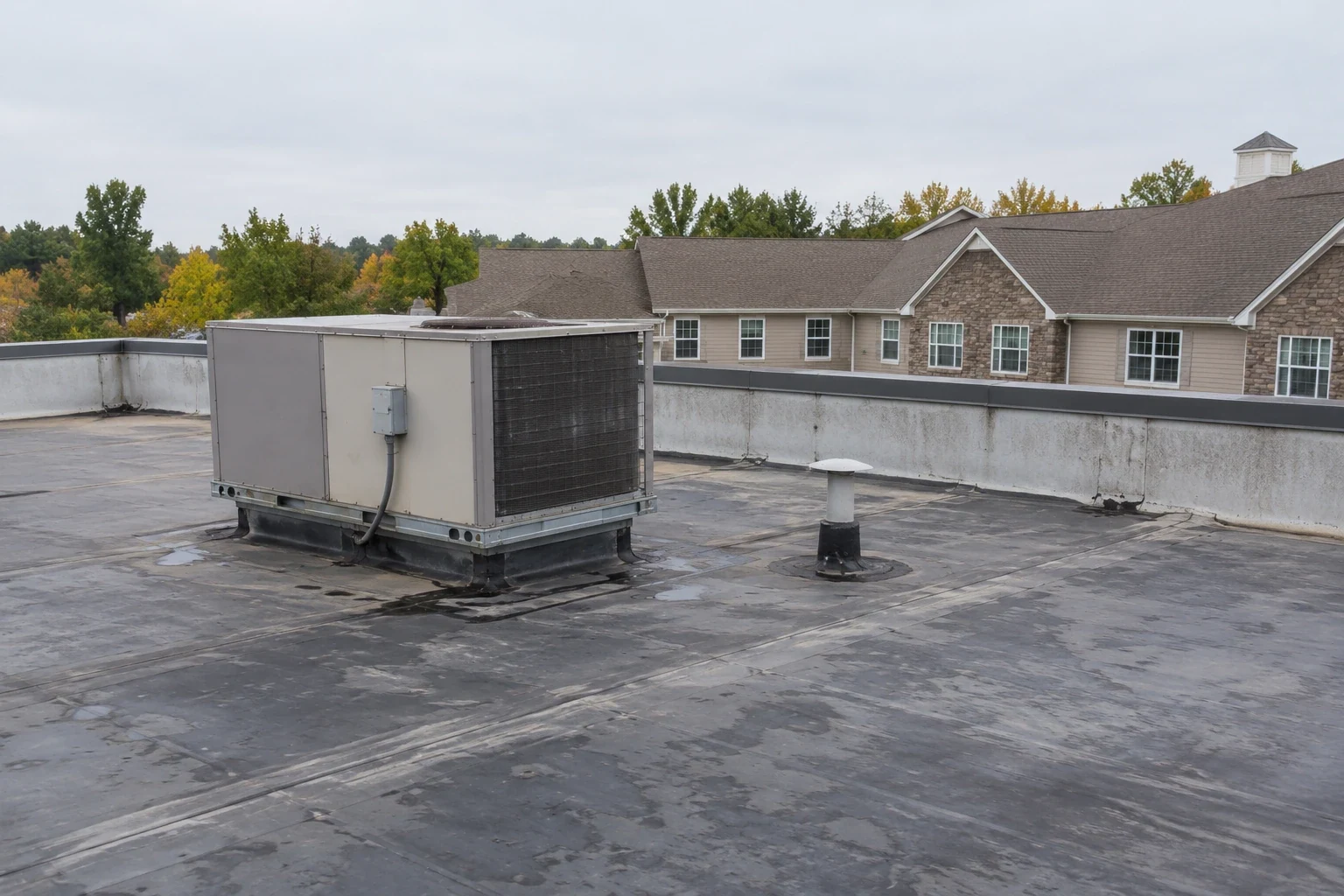
A dark mark below a warehouse roof drain sets the inspection route. We check the outlet, nearby seams, equipment curbs, and interior conditions before setting a repair boundary in Meridian. Dispatch needs the property address, active leak location, roof history, and access contact. A warehouse may have long work shifts, truck traffic, and high storage beneath the roof. We plan roof access and interior coordination with the facility contact before moving materials. A first visit records what is visible and what needs testing.

Map the Roof by Operating Zone

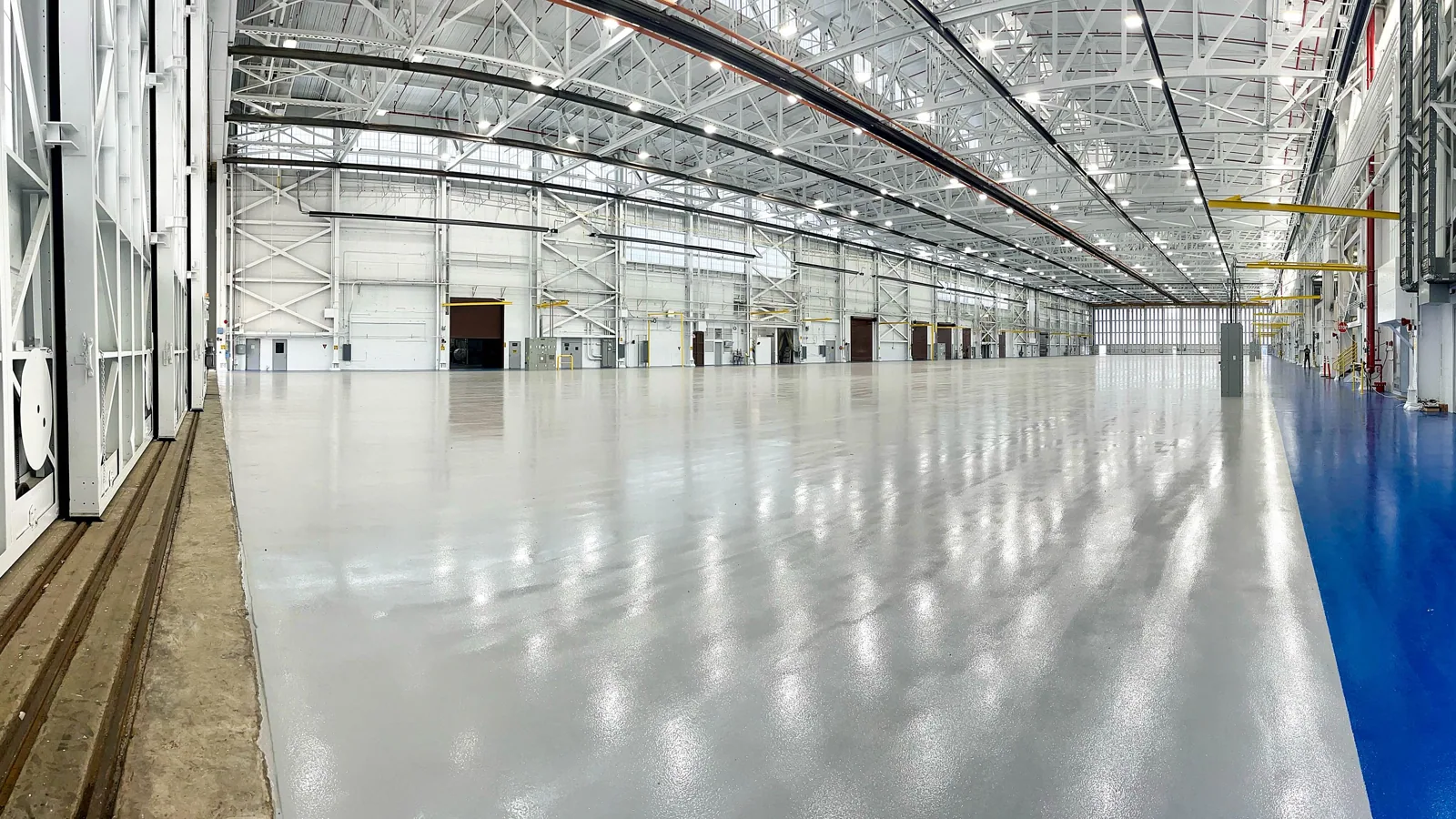
Warehouse roofs often include broad low-slope fields, rooftop units, penetrations, and long drainage paths. We inspect seams and attachment by roof zone, then photograph drains, overflow openings, curb corners, and edge transitions. Inside, we look for staining, active drips, and signs of wet insulation near the reported location. The photo log ties each condition to a bay or plan reference. That helps staff find the same area without interrupting the entire floor.

We check whether freight doors, exhaust, or rooftop service work affect access. A mechanical route can cross the same roof section as a leak repair. We identify equipment that must remain online and ask who can approve shutdowns or temporary protection. If a test cut is needed, the location should answer a specific question about insulation, cover board, or deck. We record the opening and closure so the building team knows what was tested.

Meridian's regional climate includes hot, dry summers and freezing winter nights. Boise Air Terminal normals show annual precipitation of 11.51 inches and an August average of 0.17 inches. We use that dry-season context, then inspect actual membrane and sealant condition. A warehouse near I-84 may have a different staging route than a property near Ten Mile. The building contact confirms truck windows and lift placement.

Keep the Water Route Visible

A leak can travel along a deck or membrane before appearing over a warehouse bay. We start at the reported interior mark and inspect the likely route above it. Drains, scuppers, roof-to-wall transitions, penetrations, and equipment supports each need a separate check. A ceiling stain may sit away from the entry point. We compare the roof condition with the leak timing and any recent service work, without treating a single symptom as a diagnosis.

Warehouse drainage needs to work across a large field. We inspect drain bowls, strainers, overflow paths, and low areas where debris can slow discharge. Nearby Boise Air Terminal records a 25.4°F mean December daily low. That winter reading frames drain checks, while actual roof conditions set the work. We document standing water, blocked outlets, ice-sensitive details, and any membrane movement visible around drains.

Where moisture may extend under the membrane, infrared review can help direct test cuts when conditions permit. Testing confirms the assembly at selected points. We map wet insulation or damaged deck rather than assuming the full field shares one condition. If a leak affects stored product or a work aisle, the facility team can coordinate interior protection and access while the roof scope is developed.

Warehouse Roofing in Meridian, ID

Set a Repair Limit

A sound membrane around a puncture may support a localized patch. An open seam, failed curb flashing, or loose edge detail needs the repair method matched to the installed system. We prepare the area, remove incompatible material, and tie new material into stable roof surface. If the inspection finds wet insulation, the scope may need removal and replacement instead of a surface patch. The written work limit identifies what will be opened and restored.

For a larger decision, we compare repair, recover, restoration, and replacement after checking moisture, attachment, drainage, and deck condition. A recover can preserve serviceable layers only when the existing assembly supports another system. A coating review needs a suitable, dry substrate. We explain the evidence for each option and note any testing that remains. That gives an operations manager an actionable scope without stopping the whole facility to investigate.

Warehouse roof work may involve commercial roof repair, drain service, or insulation replacement. If a full assembly is due, replacement planning can set sequencing around shipping and inventory. A distribution center roof may need different phasing. A property in Silverstone Business Park may need a different access plan from a warehouse near Eagle Road.

Warehouse Roofing in Meridian, ID

Work Around Freight Movement

We confirm the roof hatch, lift setup, staging area, and interior access before scheduling. Loading docks and vehicle routes should stay open where possible. The facility contact can identify shipping peaks, restricted aisles, and any equipment that needs continuous operation. Dispatch notes show who can authorize roof entry and where materials can be staged. Work zones remain clear of drains and mechanical service paths.

Occupied warehouse work may use phased sections. We agree on the daily boundary, weather protection, and handoff before opening the roof. If forklifts or inventory are active below, we coordinate any interior protection with the site's safety procedures. A crew can work on one roof zone while facility teams maintain other operations, depending on access and scope. We schedule noisy or disruptive steps for an agreed window.

Dispatch can arrange a warehouse roof response any hour, including holidays. The first inspection records active entry and temporary protection needs. Permanent repairs may require a dry surface or a planned shutdown of nearby equipment. Timing and cost depend on roof height, material removal, insulation condition, freight access, and how many details need repair. We list those drivers before the work starts.

Warehouse Roofing in Meridian, ID

Keep the Warehouse Roof Log Current

After repair, we photograph the completed area and identify roof zone, material, and repair limit. The record includes test results, any areas left outside scope, and access conditions that affected the work. A later visit can compare new findings with the same reference points. Facility staff can report a repeat leak with a bay or roof-plan location rather than a general description.

Routine review can revisit drains, equipment curbs, roof edges, and repaired seams. We clear debris from outlets and check whether maintenance work disturbed the membrane. Roof access paths matter because warehouse teams and mechanical contractors may return to the same locations. A written condition inspection helps prioritize repairs before a leak affects stored goods or operations.

For sites with multiple buildings, multi-site roof tracking can compare findings and schedule work by facility. We can inspect a property near Eagle Road alongside an office building near I-84, with each recommendation tied to its own roof conditions. The goal is a usable record for maintenance and capital decisions.

Can roof repairs happen while warehouse shipping continues?

We plan the roof zone, lift location, delivery timing, and any interior protection with the facility contact. Some work can be phased around active freight. Access and weather conditions set the practical limits.

How do you locate a leak over a large warehouse floor?

We compare the interior mark with roof drains, seams, curbs, and the likely uphill path. Moisture testing may direct openings when the assembly is unclear. The report maps findings by roof zone or bay.

Do you need to close the warehouse for a roof replacement?

A full closure is not always required. We plan sections, material staging, and interior controls around operations. The building layout and work scope determine whether any specific area needs a temporary restriction.

What should the warehouse manager provide before dispatch?

Send the address, active leak location, roof history, and access contact. Include freight windows, roof-hatch instructions, and equipment that must stay online. Dispatch can build those details into the first visit.

Set a Warehouse Roof First Read

Send the Meridian address, active leak location, roof history, and site access contact. Include freight windows and equipment restrictions so dispatch can plan the visit.

Call 555-555-5555 or fill out the form and we will be in touch.

Got a Leak?

For active leaks, storm damage or other urgent roof problems, call us directly at: 555-555-5555.

ServicesRoof SystemsProperty TypesIndustriesService AreasDamage RepairCapabilitiesManufacturersAboutRequest a Roof Assessment555-555-5555
Call555-555-5555