Manufacturing Plant Roofing in Meridian, ID

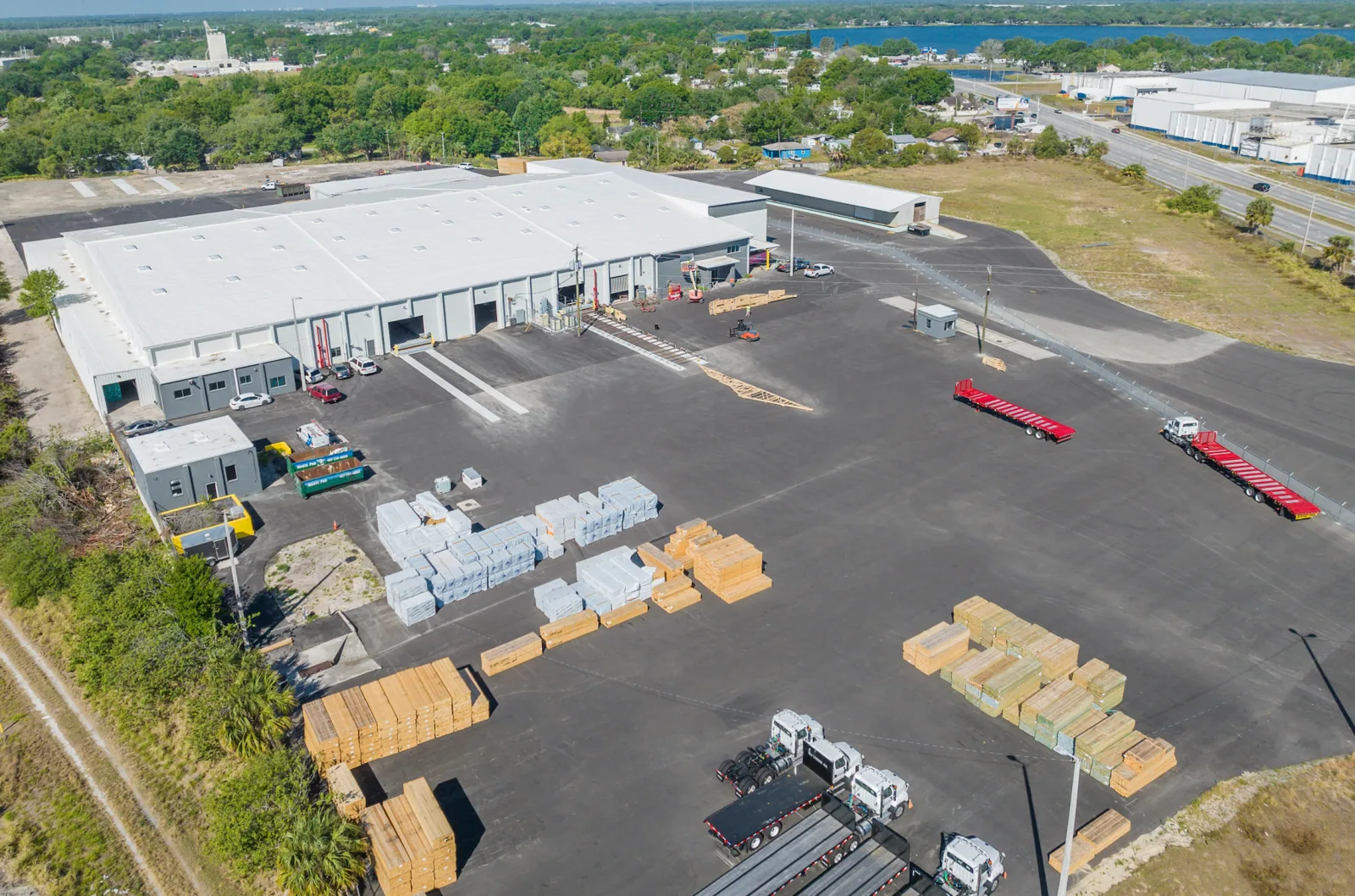
Manufacturing plant roofing in Meridian, ID starts with process-area access, roof penetrations, and drainage. We plan repairs around active production.

Manufacturing Plant Roofing

A stain below a production exhaust curb needs a roof-side check before the line changes schedule. We inspect the curb, nearby membrane, drains, and service paths, then coordinate access with the plant contact. Dispatch needs the Meridian address, leak location, production window, roof history, and person who can open the hatch. A manufacturing building may have active ventilation, material movement, and process controls. We document those constraints before selecting a repair boundary.

Connect Roof Details to Plant Use

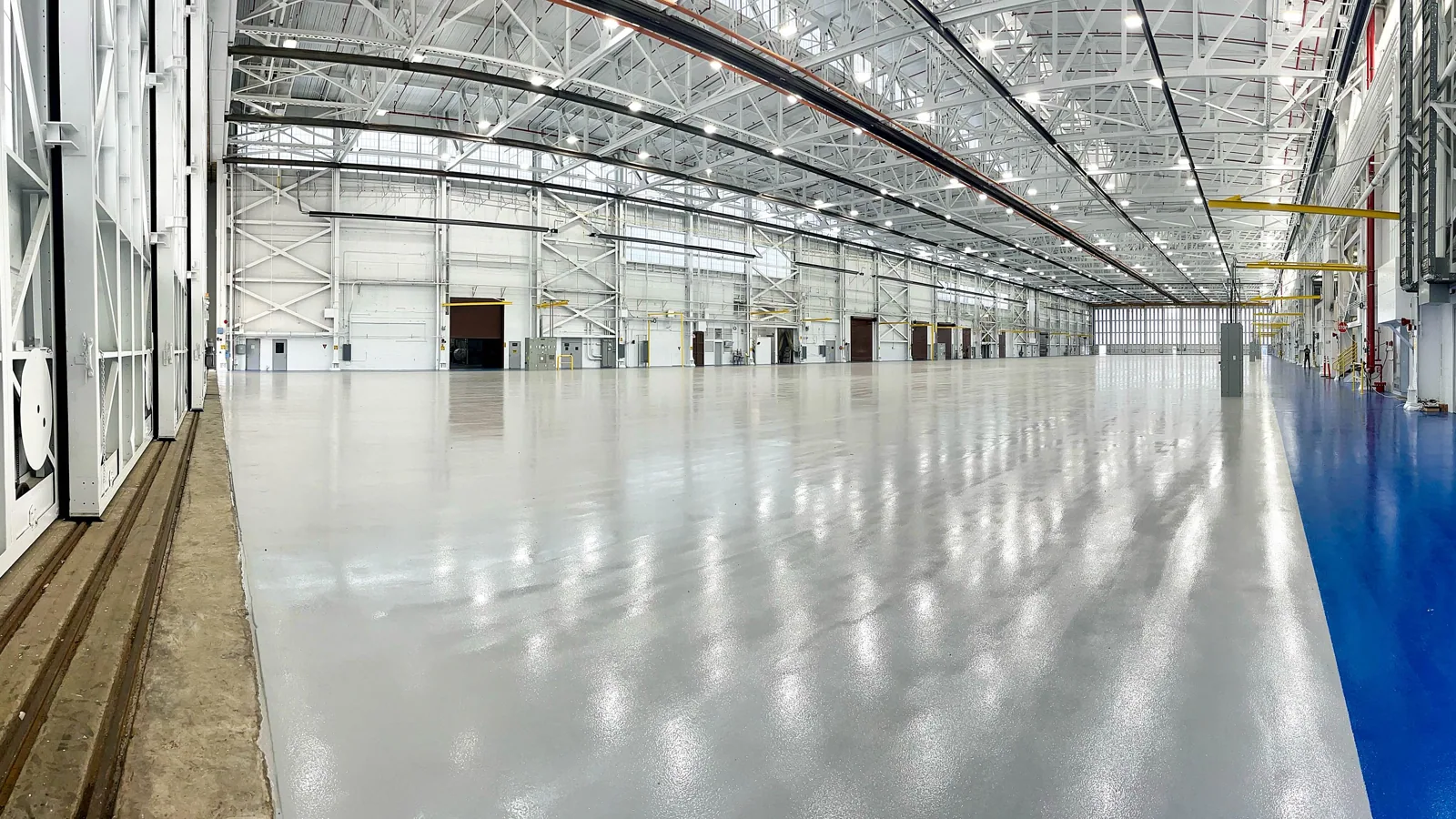
We map the roof by equipment zones, production areas, roof drains, and expansion joints. The inspection checks field membrane, seams, attachment, flashing, penetrations, and edge metal. Process exhaust and intake openings need careful review because a roof repair can affect access or air movement. We record the equipment identification and service clearance when available. The photo log lets the facility team relate each roof finding to a plant area.

A roof opening near a process line needs more planning than a clear field patch. We ask whether equipment can shut down, whether an intake needs protection, and which safety contact controls access. If moisture testing is required, we identify a cut location and expected interior effect. We restore the test opening and document the layers seen. When the deck or insulation appears damaged, that evidence changes the repair scope.

Meridian's comprehensive plan includes industrial uses such as light manufacturing, flex buildings, storage, and support offices. The Fields Subarea also sets aside industrial employment areas near mixed-use and civic areas. We use those land-use settings to understand access planning, not to assume a building's process or roof type. A plant near Ten Mile may have different truck windows from a facility near Chinden. The site contact confirms operations and staging.

Trace Moisture Without Guessing

Water above a manufacturing floor can move along deck flutes or insulation before appearing near equipment. We start from the reported interior location, then check drains, seams, curbs, roof-to-wall transitions, and penetrations uphill. We compare the leak timing with washdown, ventilation, or recent maintenance only when the plant team provides that history. The report separates observed roof conditions from possible explanations.

Drainage routes can cross equipment zones and service walkways. We inspect strainers, drain bowls, scuppers, and overflow paths for restriction or ponding. At nearby Boise Air Terminal, annual precipitation averages 11.51 inches and August averages just 0.17 inches. That regional pattern frames dry-season exposure. We inspect the actual roof for surface stress, failed sealant, and movement at penetrations. Winter review checks drainage and transitions against the local freeze pattern.

If a leak may involve concealed moisture, infrared review can help prioritize selected openings when conditions are suitable. A test cut confirms the assembly at one point and can show insulation, cover board, and deck. We map each result and do not extend a finding beyond the tested area without evidence. This helps plant leadership decide whether to isolate one production zone or plan broader roof work.

Manufacturing Plant Roofing in Meridian, ID

Separate Roof Work from Production

A localized repair can often be defined around one puncture, open seam, or failed flashing detail. We prepare sound membrane, install compatible materials, and restore the transition. For wet insulation or deck damage, the work may require opening a larger section. The scope identifies each area, temporary protection, and whether the plant needs a production pause or equipment coordination.

When failures repeat across several zones, we compare repair with a recover or replacement evaluation. The decision depends on moisture, attachment, roof height, drainage, deck condition, and the number of penetrations. A coating may be considered only if the existing surface is sound and dry. We document which process areas stay open, what access is needed, and how daily closure will protect the plant.

Plant projects may combine leak repair, insulation work, or penetration flashing. Owners can compare a metal retrofit or modified bitumen assembly after the existing roof is assessed. A flex-industrial building may need a separate access sequence. A distribution center can have different freight peaks.

Manufacturing Plant Roofing in Meridian, ID

Set the Plant Access Window

We coordinate roof access, lifts, material staging, and any interior protection with plant operations. The facility contact identifies restricted process areas, air intakes, and equipment that cannot stop. We agree on delivery hours and route around active truck movements. Dispatch notes name the roof access contact and the person who can approve a changed work boundary.

Each shift ends with the roof closed and loose material removed from drains and service routes. If the scope requires an opening, we confirm temporary weather protection and the expected closure time. Other trades may need to clear equipment curbs or support frames. We sequence those handoffs before the roofing work reaches the detail. That keeps the repair boundary clear around active process equipment.

Production teams can report active water entry to dispatch at any hour, with the line contact identifying the affected area. A first visit can assess active water entry and identify temporary protection. Permanent repairs depend on safe weather, plant access, testing, and equipment coordination. Timing and cost reflect substrate removal, insulation replacement, number of penetrations, lift needs, and production restrictions. We list those conditions in the scope before work begins.

Manufacturing Plant Roofing in Meridian, ID

Retain the Production Roof Record

We record completed repairs with photos, zone references, materials, and work limits. Test locations and closed openings appear in the same record. The plant team can use that map when a later leak or equipment project affects the same area. We list remaining conditions outside the approved scope so staff do not mistake an incomplete investigation for a clean roof.

Preventive checks can review drains, penetrations, roof edges, and the equipment perimeters most exposed to service traffic. A new exhaust or support installation should be followed by a flashing review. We note changes in roof access and any interruptions that influenced the inspection. A written condition report can help maintenance staff prioritize repairs by area.

For sites with several property types, asset tracking can retain inspection history across buildings. Meridian's Fields Subarea includes designated industrial employment areas. We assess each plant roof on its own construction, process needs, and leak history before recommending capital work.

Can roof work proceed while a production line runs?

We coordinate the work zone, equipment access, and any intake or shutdown restrictions with plant staff. Some repairs can proceed beside active production. The roof opening and interior conditions determine the sequence.

How do you keep a roof leak from disrupting process equipment?

We inspect the roof route, identify affected interior areas, and agree on temporary protection with the facility contact. A mapped repair boundary helps separate confirmed damage from adjacent equipment zones.

What if a roof penetration is serving active exhaust equipment?

We record the equipment and coordinate with the plant contact before altering its curb or flashing. The repair plan keeps service access and air movement in view, with shutdowns confirmed by facility staff.

When does a manufacturing roof need testing?

Testing can help when moisture extent or concealed layers remain uncertain. Infrared review may direct test cuts under suitable conditions. We record each tested point and keep conclusions within the observed evidence.

Plan a Plant Roof Inspection

Send the Meridian address, leak location, production window, roof history, and access contact. We will coordinate a first read around active plant conditions.

Call 555-555-5555 or fill out the form and we will be in touch.

Got a Leak?

For active leaks, storm damage or other urgent roof problems, call us directly at: 555-555-5555.

ServicesRoof SystemsProperty TypesIndustriesService AreasDamage RepairCapabilitiesManufacturersAboutRequest a Roof Assessment555-555-5555
Call555-555-5555