Commercial Roof Insulation and Cover Board in Meridian, ID

Review commercial roof insulation and cover board in Meridian, ID with moisture checks, attachment review, drainage planning, and replacement options.

Commercial Roof Insulation and Cover Board

A raised board seam changes the first roof check. In Meridian, we inspect the cover board, membrane attachment, insulation joints, drains, and nearby penetrations. The facility contact identifies roof access and any reported interior change. We record whether the board is loose, wet, crushed, or separated. A visible seam can signal a local issue. It does not describe every layer under the roof.

Boise Air Terminal normals offer a nearby climate reference. July average highs reach 92.7°F, using nearby Boise Air Terminal weather records. December average lows are 25.4°F, according to nearby Boise Air Terminal climate normals. We use those values to frame heat and winter review. The roof assembly controls the repair. At El Dorado Business Campus, offices near I-84 have property-specific access routes. We confirm the building and roof area before starting work.

Open the assembly question

Insulation condition affects repair, recover, and replacement choices. We inspect for wet areas, crushed boards, open joints, displaced fasteners, and damaged facer. We compare the surface with leak reports and prior repair notes. A test cut can show the layer sequence and moisture at one point. The photo log records the opening and closure. We identify where more samples may be needed.

Cover board can protect insulation and provide a substrate for the membrane. Its attachment and condition matter. We check for movement, surface damage, moisture, and compatibility with the proposed roofing system. If the board has shifted, we inspect the field seams and nearby edges. A repair should not cover a loose layer without addressing the condition beneath it.

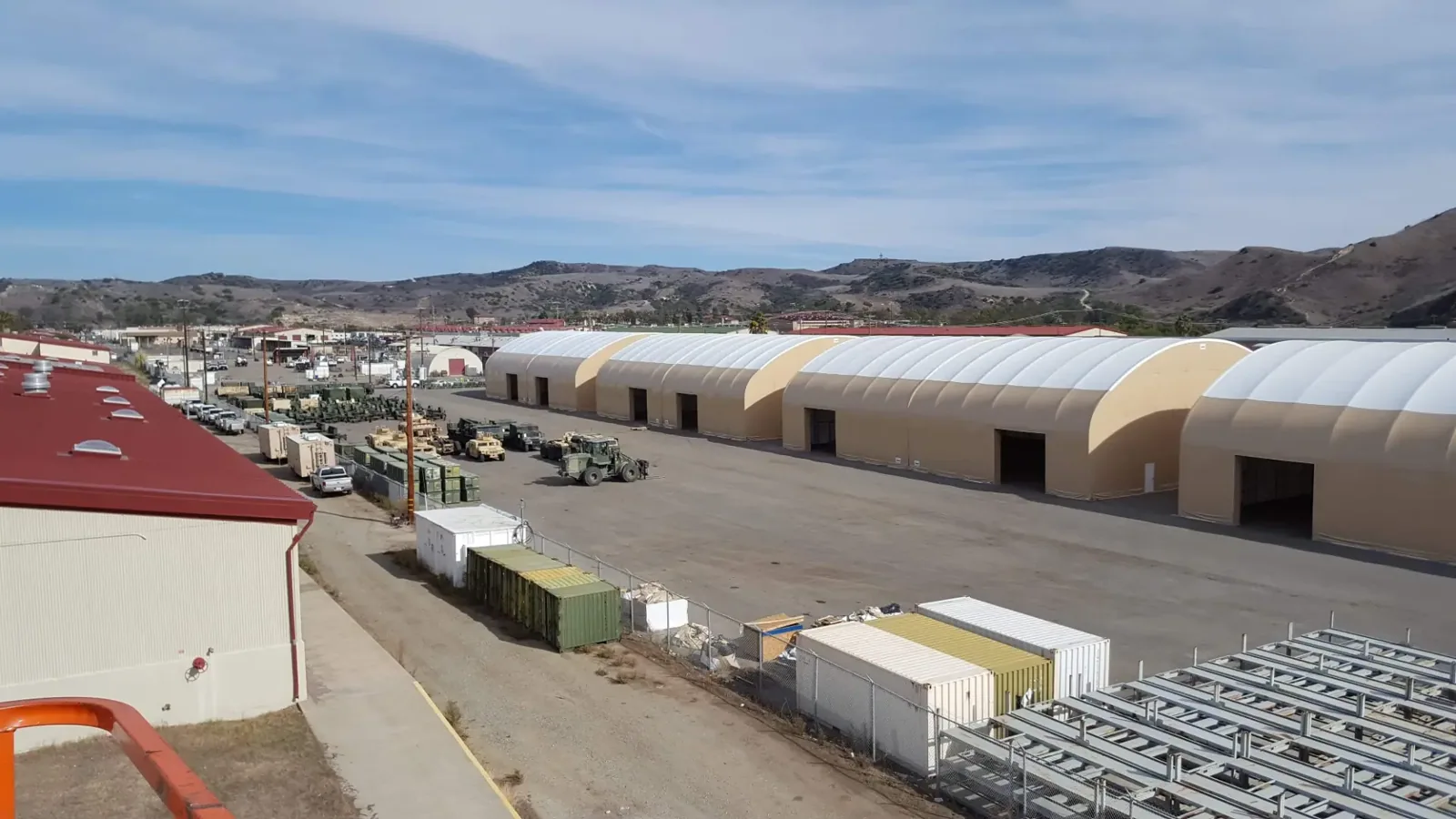
Meridian’s industrial plan includes warehouses, storage, light manufacturing, and flex buildings. These uses may require different equipment access and interior protection. We inspect the actual roof. We confirm insulation type from records and field inspection. Near El Dorado Business Campus, we coordinate with the building contact to identify roof zones and any access limits.

Check slope and drainage

Insulation layout can affect drainage when tapered boards form slope. We review the roof plan where available and compare it with visible low areas. We inspect crickets, drain bowls, scuppers, overflow openings, and transitions. We record ponding evidence and note whether the route to the outlet appears clear. A board seam or low spot may need a closer measurement before correction is designed.

nearby Boise Air Terminal normals show 1.41 inches of January precipitation. July precipitation averages 0.21 inches, using the nearby Boise Air Terminal normal. That seasonal difference supports a winter drain check. The actual roof condition determines whether water is moving as intended. We document the outlets and any visible restriction. A drainage inspection can address an outlet problem separately from insulation replacement.

If water has entered the assembly, we map the affected area before choosing new board. Wet insulation may need removal. The owner may consider a partial replacement, recover, or full tear-off. The repair boundary depends on test findings, deck condition, attachment, and code review. A moisture survey can guide test locations across a larger roof.

Commercial Roof Insulation and Cover Board in Meridian, ID

Match board to roof work

Board selection follows the membrane, attachment design, deck, roof geometry, and project requirements. We review thickness transitions, fastener patterns, adhesive compatibility, and perimeter conditions. A cover board may support a membrane or protect insulation from service traffic. It must be installed on a suitable substrate. We identify where additional attachment or replacement is needed before the new roof layer covers the assembly.

A tapered insulation layout can establish a positive path toward a compatible drain or scupper. The slope layout should match the building geometry and outlet locations. We review plan details and note field conditions that differ. Mechanical units, curbs, and wall transitions can complicate board height. We document those edges so the selected assembly meets terminations without blocking drainage or access.

For a larger project, insulation and cover board are part of the replacement scope. A recover review must confirm the existing layers and moisture conditions first. We can also assess compatibility with TPO membrane after the assembly is known. The proposal identifies what will be removed, retained, or added.

Commercial Roof Insulation and Cover Board in Meridian, ID

Plan around exposed layers

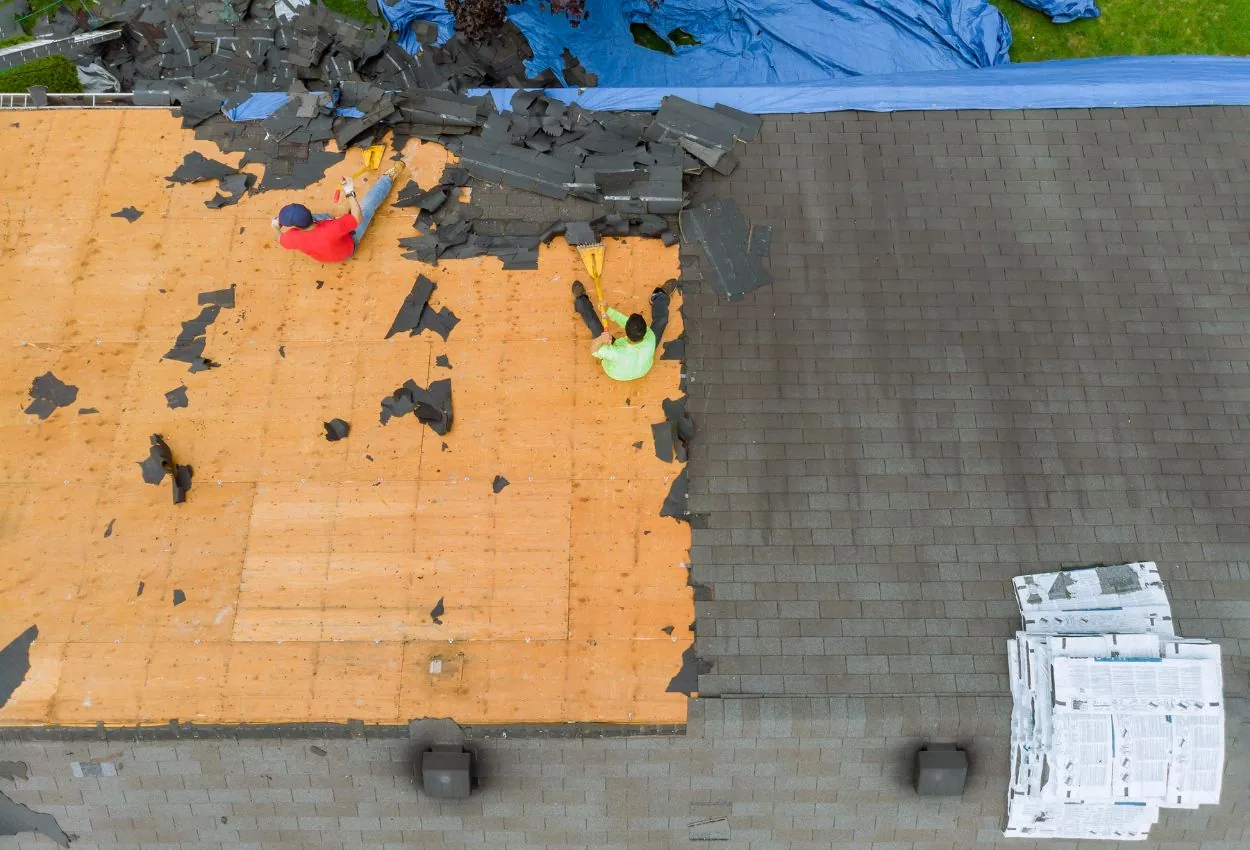
Insulation work can leave the deck exposed. We phase removal and board placement so the crew can protect each zone. The site contact confirms roof hatch access, staging, lift routes, and areas that must remain open. If mechanical equipment needs shutdown or protection, we coordinate with the responsible trade. The sequence lists each work area and its temporary closure plan.

Weather matters during tear-off and installation. Dry summer conditions do not remove the need for cover. A changed forecast can affect how much roof we open. Winter temperatures may limit adhesive or membrane work. We check the surface and product requirements before proceeding. If the work area cannot be closed safely, we stop and protect the assembly.

At Ten Mile Crossing, office, retail, restaurant, and medical properties may have different delivery windows. The facility contact confirms tenant routes and access. A project at Ten Mile Crossing needs a building-level sequence. We keep materials clear of entrances and identify the person receiving daily updates.

Commercial Roof Insulation and Cover Board in Meridian, ID

Document the finished layers

At closeout, we record board type, installation zones, repair boundaries, and transitions. Photos show drain areas, curbs, seams, and completed sections. We note any deck or insulation condition discovered during removal. If concealed damage changes the scope, the approved work and remaining conditions appear separately in the record.

Future roof traffic can affect the membrane and cover board. Maintenance staff should report equipment service or new penetrations. A maintenance visit can review seams, drains, and repaired zones. A condition report can keep photos and test-cut results with the property history.

Send the Meridian address, reported leak area, roof history, and access contact. We will inspect the assembly and identify where testing is needed. The report separates visible surface conditions from confirmed layer findings. Owners can then compare repair, recover, and replacement with a documented insulation boundary.

When should insulation be removed instead of covered?

Wet, crushed, or unstable board can prevent a sound new assembly. We inspect the layers and use test cuts where needed. The report identifies confirmed conditions and the boundary requiring removal. It also lists any locations that need another inspection before installation.

When can tapered insulation improve drainage on an existing roof?

A tapered layout can direct water when its slope and outlets fit the roof geometry. We review plans, drains, and field elevations. The correction may need design input beyond a board replacement.

What does a test cut show?

It shows the layers and moisture condition at that location. We photograph the opening, record the result, and close it. Additional cuts may be needed to map the full repair boundary.

How do you protect insulation during a reroof?

We sequence removal and installation by zone. The work plan states how exposed deck and board will be covered. Forecast and material limits determine how much area can be opened safely.

Inspect the roof layers

Send the Meridian address, roof history, active leak location, available roof plan, and site access contact. We will review the insulation and cover board, document test locations, and define the work boundary.

Call 555-555-5555 or fill out the form and we will be in touch.

Got a Leak?

For active leaks, storm damage or other urgent roof problems, call us directly at: 555-555-5555.

ServicesRoof SystemsProperty TypesIndustriesService AreasDamage RepairCapabilitiesManufacturersAboutRequest a Roof Assessment555-555-5555
Call555-555-5555