Solar-Ready Commercial Roofing in Meridian, ID

Prepare a commercial roof for solar in Meridian, ID with membrane, drainage, attachment, access, trade coordination, and future maintenance checks.

Solar-Ready Commercial Roofing

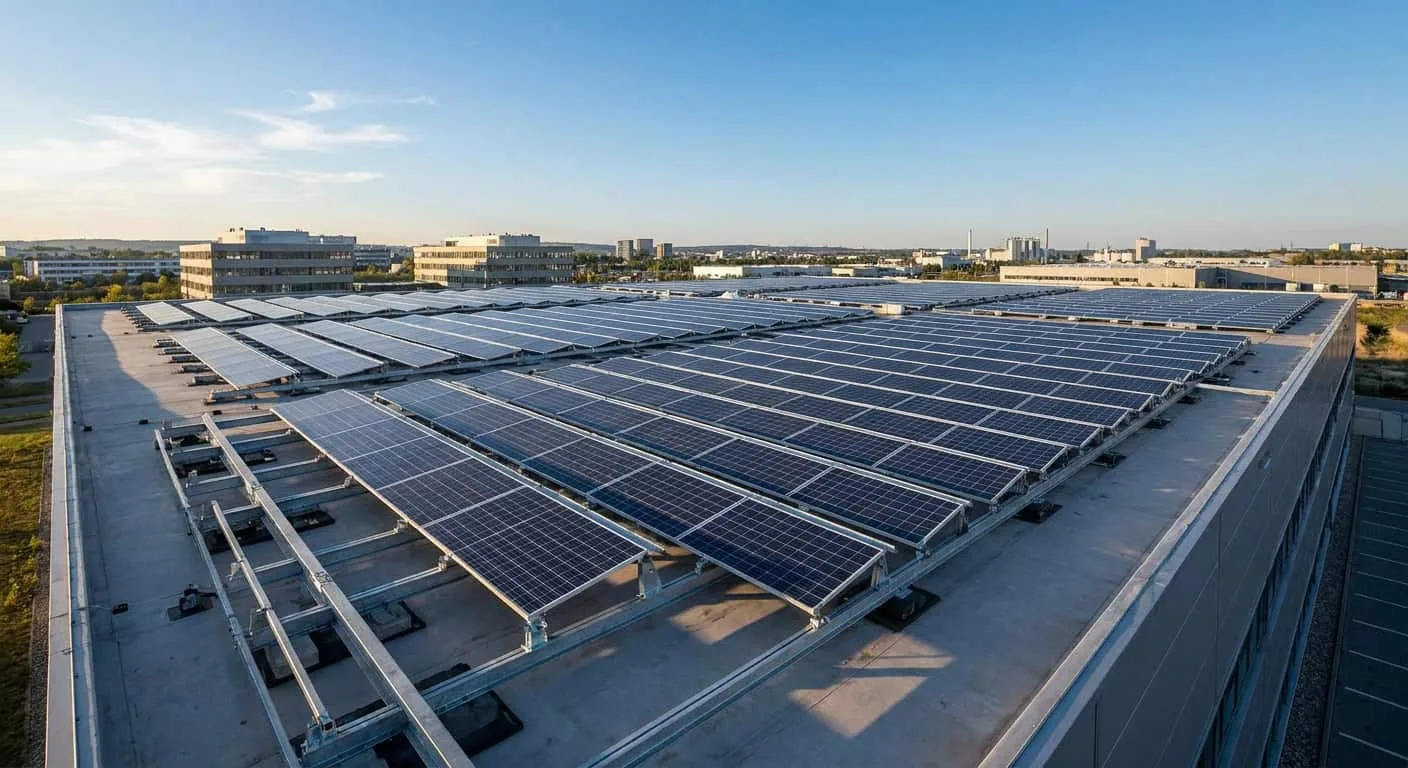
A proposed solar row starts with deck and membrane checks. In Meridian, we review the roof assembly, drainage, attachment, equipment paths, and access. The first read asks whether the roof can support the planned sequence and future service. We coordinate with the solar designer and facility contact. A roof is not solar-ready because it has open space alone.

July highs at nearby Boise Air Terminal average 92.7°F. Those regional figures frame summer surface review. They do not establish the roof’s capacity or condition. We inspect the actual assembly and use project documents for structural questions. At Ten Mile Crossing, commercial and employment uses can require rooftop work around active tenants and deliveries.

Review the existing roof

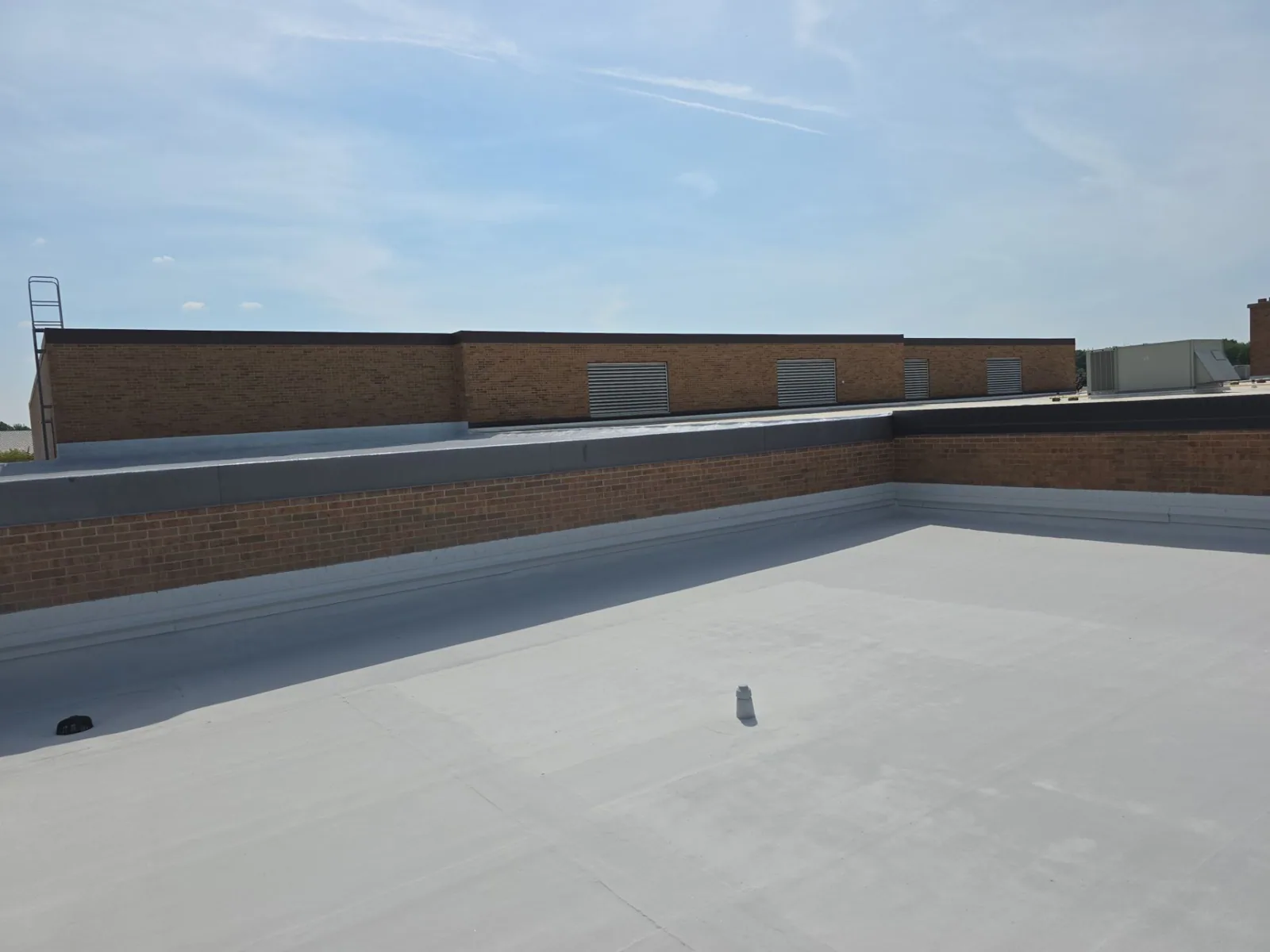
Before an array is installed, we document the membrane, insulation, cover board, seams, penetrations, drains, and perimeter. We check reported leaks and unresolved repairs. If the assembly has wet insulation or repeated failures, the owner may need to repair or replace it before adding equipment. We map those conditions and identify where test cuts or design review are needed.

Roof service life is part of the decision. Solar equipment can complicate later membrane work. We compare roof condition and project timing with the proposed array schedule. The owner should understand which roof zones may need repair before installation and how service access will remain available. We base readiness on inspected conditions and project documents. The structural professional reviews capacity against the proposed array and attachment design.

Meridian’s industrial plan includes warehouses, storage, flex buildings, and light manufacturing. Those uses may have different equipment layouts and roof access. We inspect the actual facility rather than assume a roof type. At Eagle View Landing, office, medical, retail, and corporate-campus properties have building-specific access contacts. We confirm the address and roof area in scope.

Coordinate attachment and access

Solar attachment details depend on the roof system, structural design, and array layout. We review the proposed attachment points, flashing method, penetrations, and required walk paths. Structural capacity and electrical design belong with the responsible design professionals. Our roof review identifies membrane, insulation, and flashing conditions that affect installation and long-term service.

Penetrations need compatible flashing and secure terminations. Ballasted equipment still requires review of load, movement, drainage, and service access. We identify where equipment can block drains or cover a repair detail. The solar and roofing scopes should state who protects the membrane during staging and who repairs any damage during installation.

The facility contact identifies the hatch, escort requirements, delivery point, and any roof areas that remain active. At Silverstone Business Park, office and meeting activity may require a scheduled work window. We coordinate the roof route and staging with the building representative. We keep tenant access and service paths in the plan.

Solar-Ready Commercial Roofing in Meridian, ID

Prepare the roof before panels

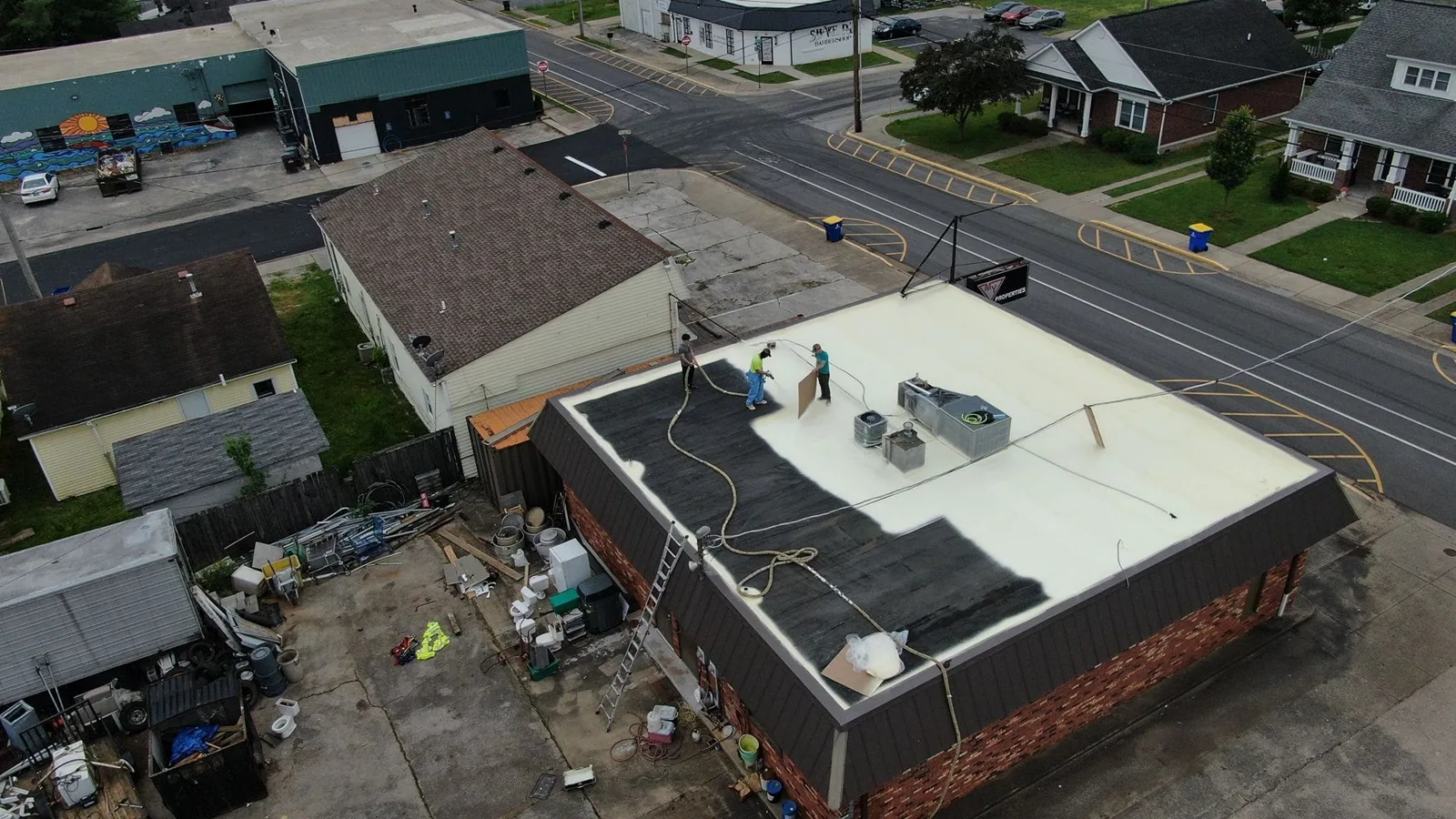
We define roof work before array installation. The scope can include seam repairs, curb flashing, drain corrections, or membrane replacement in selected zones. We photograph each area and mark the repair boundary. If test cuts show moisture, we discuss removal before solar equipment covers the surface. A sound installation sequence keeps roof repairs visible and inspectable.

Roof surfaces need preparation and compatible details. We check whether the proposed array changes water flow or creates a service obstacle. Walk pads or designated routes may be appropriate for maintenance access. The proposal states what the roofing crew will complete and what remains with the solar installer. This reduces uncertainty when equipment arrives and access changes.

Some projects need a full roof condition review or moisture survey before proceeding. Others may need only targeted work. If the assembly is near its replacement decision, compare array timing with a roof replacement rather than installing panels over a roof that needs major work.

Solar-Ready Commercial Roofing in Meridian, ID

Sequence trades and weather

We coordinate roof inspection, repairs, and solar installation in a defined order. The solar team provides the equipment layout and anticipated attachment locations. We compare final drawings with roof markings. Changed attachment points need review before drilling or ballast placement. The facility contact confirms roof access and tenant needs. We identify the areas that need protection during material handling. If an array crew must cross a repaired section, the work plan names the protection and responsible contact.

Meridian’s dry summers can offer useful work windows, subject to the day’s forecast and roof conditions. Roof temperature, wind, and precipitation affect preparation and membrane work. Winter nights can freeze moisture around drains and curbs. We check conditions before opening the assembly. Work zones close before weather exposes insulation or deck.

At the Village at Meridian, retail, dining, entertainment, and office activity may shape delivery timing. We coordinate with each building contact. Solar equipment staging should not block fire routes, tenant entries, or roof drainage. If active water entry occurs, emergency dispatch can arrange immediate protection while the solar schedule is reviewed.

Solar-Ready Commercial Roofing in Meridian, ID

Maintain the roof after installation

After solar work, we inspect the roofing around attachment points, walk routes, drains, curbs, and edges. We photograph visible membrane conditions and note any area blocked from view. If the installer reports a puncture or disturbed seam, we document the location and repair boundary. The owner receives an update on open items and access limits.

Future roof maintenance needs coordination between the facility team, roofer, and solar service provider. The roof record should show array zones, access paths, repair history, and who controls equipment shutdown. A condition report can retain the roof photos. A maintenance visit can check drains and visible details around the array.

Send the Meridian address, roof plan, solar layout, known leaks, and contact for both trades. We will inspect the assembly and identify roof work needed before installation. The record will separate roof conditions from structural or electrical decisions. That gives the facility director a clear sequence for the project.

What should be reviewed before solar panels go on a commercial roof?

We check membrane condition, moisture, attachment, drainage, penetrations, and service paths. The solar designer handles array layout and structural design. The roof review identifies repairs and access conditions before equipment covers the surface.

Should an older roof be replaced before solar installation?

Roof condition and planned project timing guide that decision. We inspect the assembly, map repairs, and compare replacement needs with the array sequence. A roof with wet insulation or repeated failures may need work first.

Who repairs a membrane puncture during solar work?

The project scope should name the responsible party and reporting process. We can inspect and repair roof membrane damage when authorized. The installer and facility contact should record where the condition occurred.

How does solar equipment affect later roof maintenance?

Arrays can narrow access and cover parts of the membrane. We identify walk routes, drains, and inspection limits. The owner should retain array maps and coordinate roof access with the solar service provider.

Review the roof before solar scheduling

Send the Meridian property address, current roof plan, proposed array layout, leak history, and both trade contacts. We will check the assembly, drainage, attachment details, and repair sequence.

Call 555-555-5555 or fill out the form and we will be in touch.

Got a Leak?

For active leaks, storm damage or other urgent roof problems, call us directly at: 555-555-5555.

ServicesRoof SystemsProperty TypesIndustriesService AreasDamage RepairCapabilitiesManufacturersAboutRequest a Roof Assessment555-555-5555
Call555-555-5555