Commercial Roof Replacement in Meridian, ID

Plan a commercial roof replacement in Meridian, ID with clear condition findings, system options, access planning, and a sequenced installation scope.

Commercial Roof Replacement

Blistering beside a rooftop unit sets the first check. How far does the moisture extend? In Meridian, we check the field, seams, penetrations, drains, and insulation. Then we confirm who can open the roof hatch and approve test cuts. The first read separates a failed detail from a wider assembly issue. That finding helps set the removal boundary. No replacement recommendation comes from a ceiling mark or one photograph alone.

Boise Air Terminal averages a July high of 92.7°F. December lows average 25.4°F, based on the Boise Air Terminal regional proxy. We inspect the membrane, attachment, edges, and drainage directly. Ten Mile Crossing has office, retail, restaurant, and medical uses. We set access and staging for the property.

Read the existing assembly

We map the roof before discussing a tear-off. We record membrane splits, open laps, punctures, and loose edge metal. The photo log marks curb corners, drain bowls, and overflow routes. We compare those surface findings with interior reports and any available repair history. Wet areas can extend beyond visible leaks. A ceiling stain may trace back several feet to a roof detail. The photo log ties each finding to a roof location. It shows the evidence behind each proposed boundary.

Test cuts answer questions a surface review cannot. At agreed points, we check for trapped moisture and insulation damage. We also inspect the deck condition. We document where a cut was made and how it was closed. Findings can differ by roof area. We separate those conditions instead of treating the whole building as one assembly. A facility director compares localized repair, a roof recover option, and replacement. Each choice uses the same findings.

Meridian’s industrial planning includes warehouses, storage, light manufacturing, flex buildings, and support offices. Those uses can create different roof demands even within one property. We inspect equipment traffic, exhaust, loading, and access patterns. Land-use labels do not establish roof type or condition. We mark penetrations and service paths. The site contact confirms where work can proceed safely.

Set the removal boundary

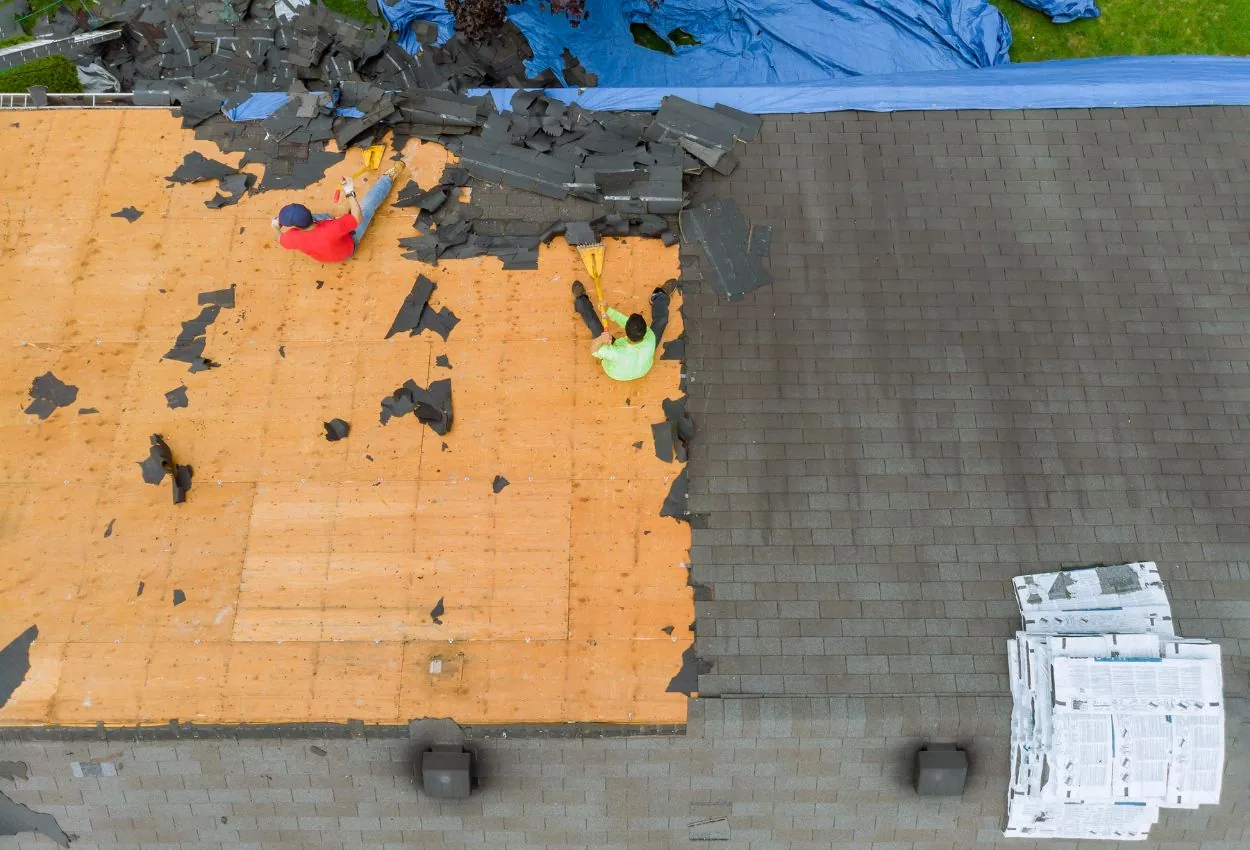
A replacement scope begins with a boundary, not an assumed square footage. We mark areas for removal and transitions to retain. Then we define tie-ins to adjacent sections. Wet insulation or failed attachment can require removal to sound material. Where a detail is still serviceable, we document why it remains. That boundary should match the assembly at the edge. We confirm the line before removal begins.

Deck review affects both sequence and price. Tear-off may reveal corrosion, damaged fasteners, or weak substrate. Those findings can change the approved scope. The proposal names who reviews new findings. It also states how we document them and obtain approval. We identify curbs, skylights, edges, and drains needing new flashing or components. The boundary gives the owner a decision point if concealed conditions appear.

Some roofs qualify for a recover after moisture and code checks. Existing layers, wet insulation, deck capacity, and attachment affect that decision. Meridian lists the 2018 International Building Code with local amendments. Permit review confirms which provisions apply.

Commercial Roof Replacement in Meridian, ID

Choose the replacement assembly

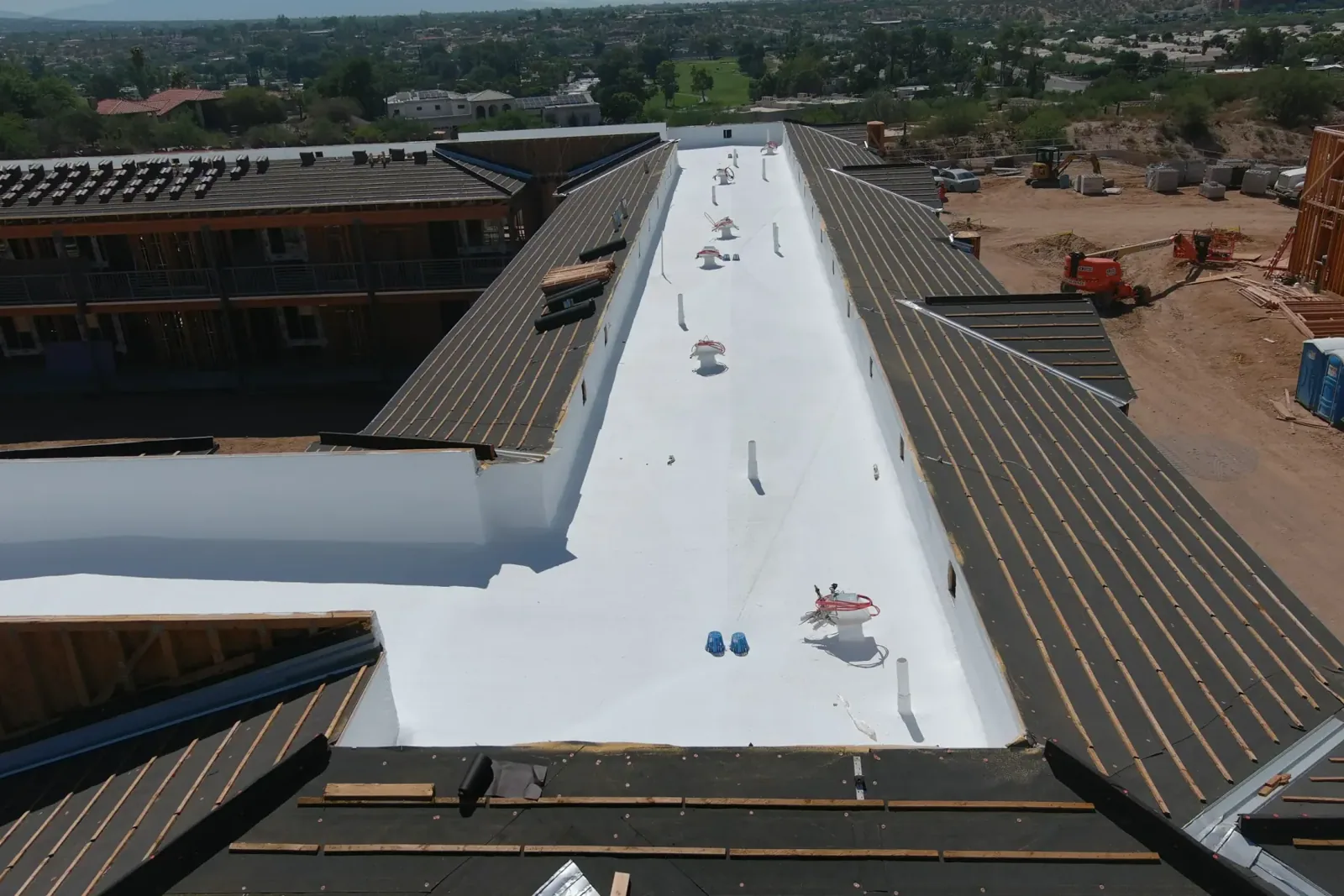
System selection follows the building and the documented conditions. TPO and PVC are heat-welded single-ply membranes with different formulations and project considerations. EPDM is a flexible rubber membrane. Its seams and flashing need compatible preparation. Modified bitumen and built-up systems use layers. Standing-seam and retrofit metal need secure attachment, transitions, and room for movement. We compare roof geometry, assembly, drainage, and penetrations. Service activity and the maintenance plan also matter. No one material fits every roof.

Insulation and cover board are part of the assembly. We assess them before selecting a membrane. Condition, thermal role, and attachment affect performance. Compatibility also affects work sequence. We check slope to drains and designed crickets. We also locate overflows and trace each drainage path. Eagle View Landing has office, retail, medical, and corporate-campus spaces. We confirm staging and access at each building.

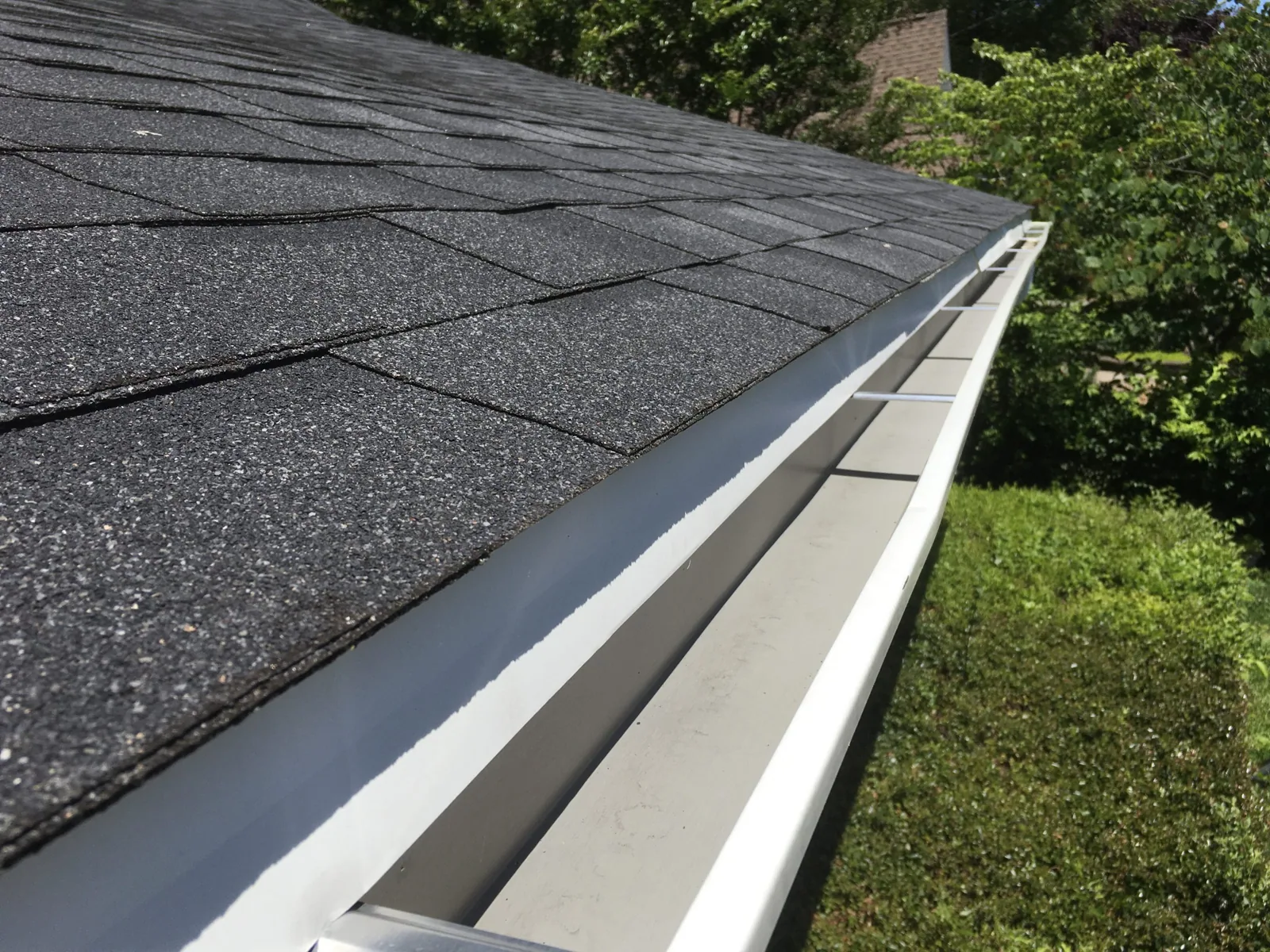
Rooftop equipment affects flashing, supports, protection, and mechanical coordination. We record visible conditions and identify trade needs. Compare a TPO assembly with a metal roof system. Check transitions and drainage here.

Commercial Roof Replacement in Meridian, ID

Sequence work around operations

Replacement planning covers more than the day material reaches the site. We set hatch access, lift locations, and delivery routes. We also identify tenant notices and areas that must stay open. The facility director names the access contact and operating limits. We divide work into manageable zones. Active offices and medical spaces need clear entrances and service routes. We include both in each day’s plan.

Weather affects tear-off and installation decisions. Meridian summers are dry, but open assemblies still need protection. Forecasts can shift before a zone is closed. We phase removal. Exposed insulation and deck stay covered between work steps. Winter work brings freezing temperatures and temporary drainage concerns. We review the forecast and set daily work limits. Each zone closes safely before the next shift.

Lead time, inspections, equipment coordination, and discoveries can change the sequence. We flag dependencies early. The Village at Meridian combines retail, dining, entertainment, and offices. Delivery plans differ from those at industrial properties. We agree on work windows with the site contact. Near Ten Mile Crossing, we confirm delivery and tenant access with the property contact.

Commercial Roof Replacement in Meridian, ID

Close out with a usable record

At completion, the owner needs a record that supports future maintenance and warranty administration. We photograph completed areas, transitions, penetrations, and drainage details. The record includes approved concealed-condition work. Closeout notes identify the assembly and work boundary. They also list scheduled follow-up items. Connect the record to roof condition reporting and a maintenance plan. Later inspections can use that baseline.

After installation, we identify routine checks for debris at drains, equipment service, and flashing. When replacement follows a leak, we keep the earlier photo log and repair history. After installation, we check the affected area. Compare replacement with targeted commercial roof repair. Findings may show one area remains serviceable.

What finding means a repair is no longer the right scope?

The deciding evidence is the extent and distribution of failure. Repeated seam separation, widespread wet insulation, deteriorated deck, or several failing transitions can make a repair boundary unreliable. We map the conditions, use test cuts where needed, and show which roof areas support replacement. A localized defect can still be repaired even when another section needs a new assembly.

Can an occupied Meridian building stay open during replacement?

A phased sequence can keep many operations running, subject to the building and the work zone. We coordinate roof access, deliveries, tenant routes, noise limits, and protection at entries with the facility contact. Work around offices at Eagle View Landing may differ from retail activity at Ten Mile Crossing. The plan states which areas are active and when access changes.

How do you decide between a recover and full tear-off?

Moisture and assembly conditions lead the decision. We check existing layers, insulation, deck, attachment, and applicable code provisions. A recover may be possible where the substrate is suitable and the assembly meets requirements. Wet or deteriorated material can require removal. We document the comparison so the owner can review the tradeoffs before choosing a scope.

What can change the replacement schedule after work begins?

Concealed deck damage, additional wet insulation, equipment conflicts, inspection timing, and weather can alter the sequence. The scope should define how we document a condition and obtain approval before expanding work. We keep completed areas protected and coordinate any adjustment with the building contact, then record the revised boundary and timing.
Set the first roof review

Send the Meridian address, the areas with reported problems, available roof history, and the site access contact. We will arrange an inspection window, document the assembly findings, and outline the replacement boundary and options.

Call 555-555-5555 or fill out the form and we will be in touch.

Got a Leak?

For active leaks, storm damage or other urgent roof problems, call us directly at: 555-555-5555.

ServicesRoof SystemsProperty TypesIndustriesService AreasDamage RepairCapabilitiesManufacturersAboutRequest a Roof Assessment555-555-5555
Call555-555-5555