Commercial Edge Metal, Coping, and Gutters in Meridian, ID

Inspect commercial edge metal, coping, and gutters in Meridian, ID with attachment checks, water-route review, repair details, and access planning.

Commercial Edge Metal, Coping, and Gutters

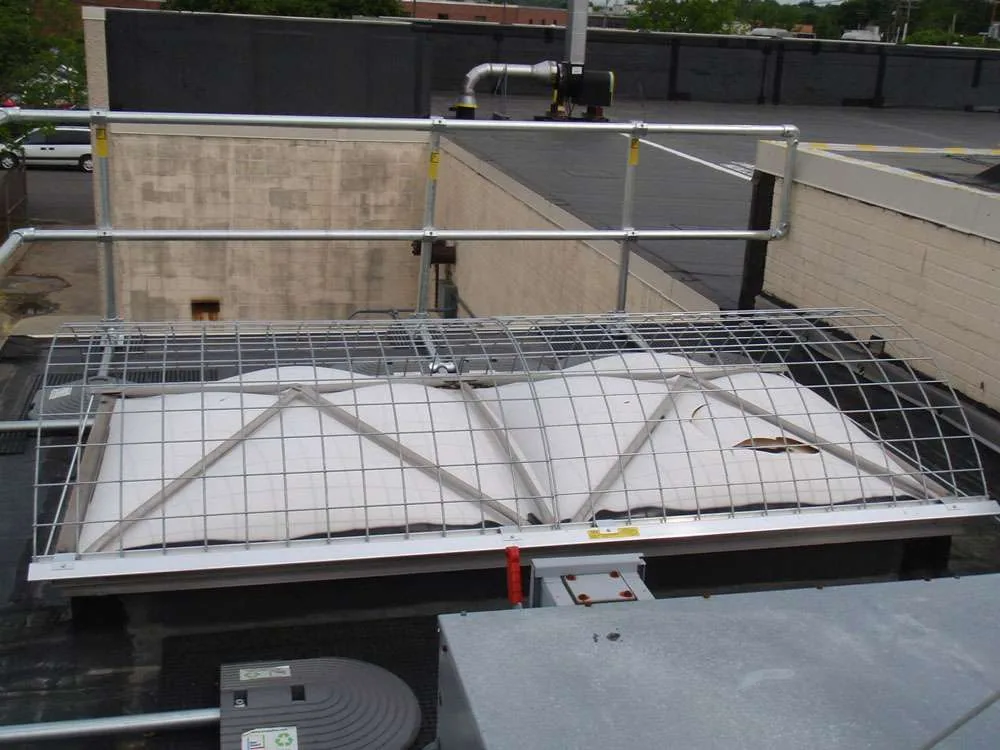
A loose coping joint leaves a gap to inspect. In Meridian, we check the cleat, splice, fasteners, membrane termination, gutter, and downspout below it. The first pass follows the water route from the roof edge to discharge. We ask who can provide roof access and where ladders or lifts may be staged. The photo log records each joint and affected roof zone.

Boise Air Terminal averages 1.41 inches of January precipitation. December lows average 25.4°F, according to nearby Boise Air Terminal climate normals. Those nearby regional normals frame winter drainage and freeze checks. They do not describe one building’s edge condition. We inspect the actual assembly. A commercial property near I-84 may need access coordination around tenant traffic and delivery routes.

Inspect the roof edge

We check coping caps, cleats, splice plates, end dams, fasteners, corners, and wall terminations. We look for loose sections, open joints, corrosion, and failed sealant. At the roof side, we inspect how membrane flashing terminates against the edge. A separated metal joint can admit water behind the face. A loose coping can also move under wind pressure. We record the observed condition and the limits of the inspection.

Edges differ by building. A parapet may have metal coping. Another roof may use a gravel stop, fascia, or gutter edge. We identify what is installed before proposing material or attachment work. We check the deck or blocking where accessible. If the substrate is hidden, we state what needs opening before final scope. The repair plan should identify metal gauge, profile, attachment, and transitions where design calls for them.

Meridian planning identifies Eagle Road and Overland Road among key corridors. Silverstone Plaza sits at their corner, with access off I-84. The property contact confirms the building entrance and staging area before dispatch.

Follow the discharge route

Water from a roof edge needs a clear route. We inspect the gutter trough, hangers, seams, outlets, downspouts, splash blocks, and visible discharge point. We look for sagging sections, blockages, leaks at joints, and water marks on adjacent surfaces. A roof inspection should identify where water leaves the building and whether the outlet remains open.

Gutter slope and support affect how water moves. We document standing water, separated hangers, or a damaged outlet. We also check whether overflow provisions remain clear. A blocked downspout can back water toward the roof edge. A poorly tied membrane can allow water behind metal even when the gutter is open. We distinguish a cleaning need from a component repair or a broader drainage correction.

At Ten Mile Crossing, retail, office, restaurants, banks, and medical services share a mixed-use area. Building access may differ by tenant and loading route. We agree on the work zone with the site contact. If drainage components connect to roof drains or scuppers, we inspect those transitions too. The route ends at a clear discharge point, not at the gutter lip.

Commercial Edge Metal, Coping, and Gutters in Meridian, ID

Detail the edge repair

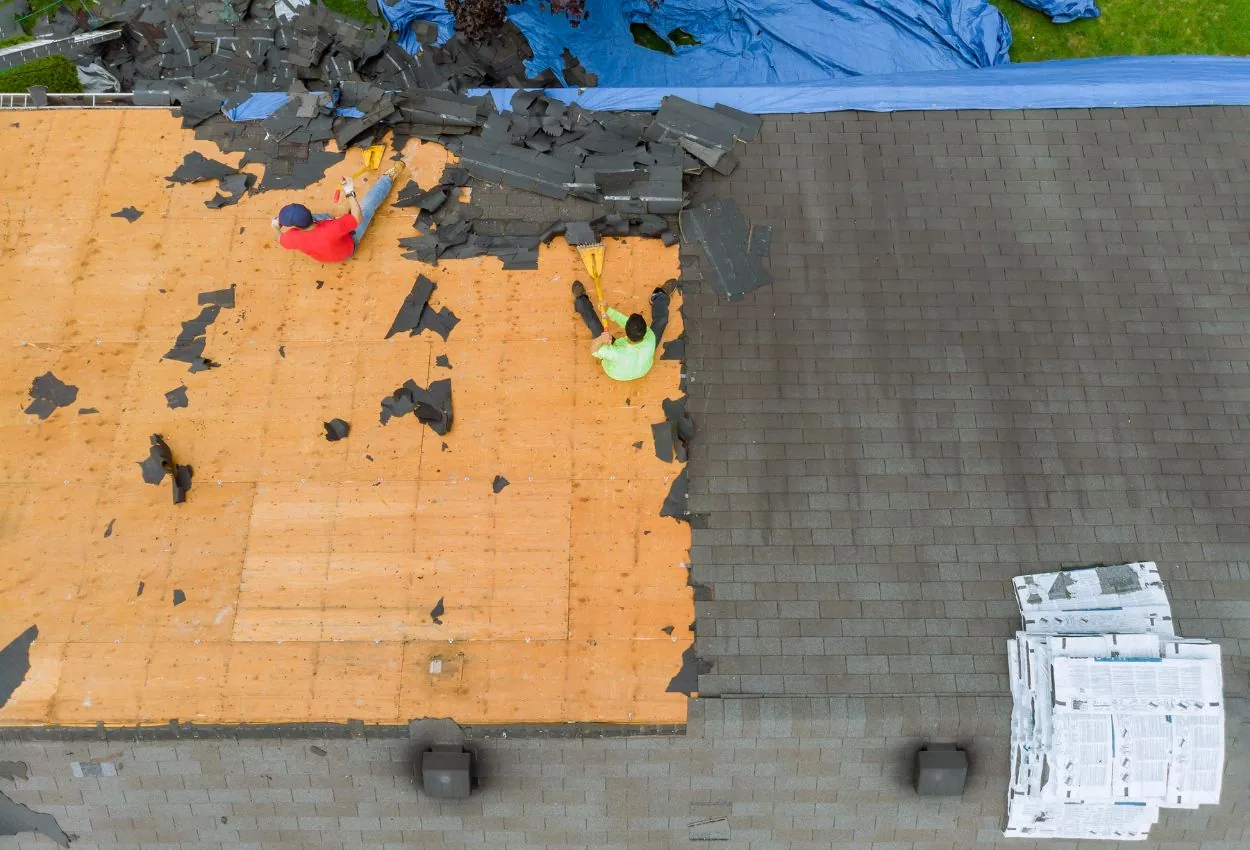
Metal repair begins with a defined length and termination. We identify which caps, cleats, joints, or gutter sections will be repaired or replaced. We inspect adjoining membrane flashing and note any wet insulation or deck concerns. A local repair needs secure attachment into suitable backing. New pieces need compatible overlaps and terminations. We document conditions that may expand once the assembly is opened.

Sealant can serve at designed joints, but it cannot replace a missing cleat or failed attachment. We identify the metal profile and detail before selecting a repair. If wind has displaced a section, we check adjacent joints and corners for movement. If corrosion has reduced the section, surface treatment may not restore its structural role. The proposal explains whether the scope is a patch, replacement length, or coordinated perimeter correction.

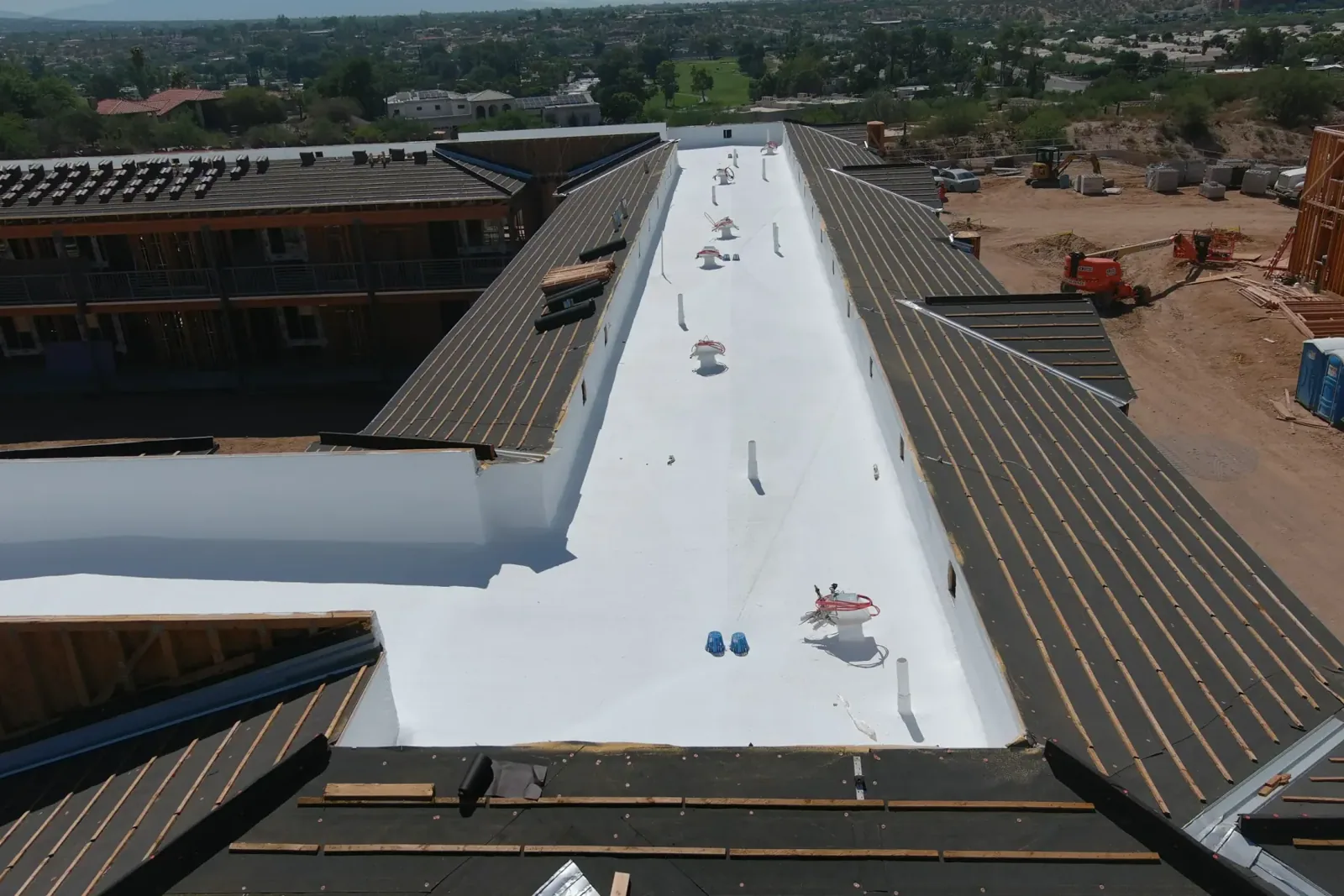
The roof system matters at the termination. TPO, PVC, EPDM, modified bitumen, and metal assemblies require compatible flashing details. We inspect the field tie-in and edge transition. For a larger perimeter project, a replacement scope may include new edge metal. A targeted roof repair can address an isolated loose section when the surrounding assembly remains sound.

Commercial Edge Metal, Coping, and Gutters in Meridian, ID

Plan safe perimeter access

We confirm lift locations, ladder access, traffic controls, and delivery timing before work. The property contact identifies pedestrian routes, tenant entrances, and areas that must stay open. Work at a roof edge requires an agreed safety plan and clear access. We coordinate the sequence so loose material does not remain exposed between shifts.

Freezing nights and winter moisture can affect metal joints and roof access. We check current surface and weather conditions before applying materials. Summer heat can warm metal and affect handling, so the crew follows installation requirements for the selected material. The nearby climate record helps frame seasonal timing. The actual surface temperature and forecast determine whether the work proceeds.

At the Eagle Road corridor, traffic and commercial activity can affect lift placement. We confirm the specific property’s delivery and staging rules. The work plan identifies which elevation is being repaired and when access changes. A maintenance visit can later check joints, gutters, and downspouts after seasonal debris or trade work.

Commercial Edge Metal, Coping, and Gutters in Meridian, ID

Record edge conditions

We photograph completed joints, corners, membrane terminations, gutters, and discharge points. The record identifies the repair length and any remaining open items. We note whether the visit included debris removal or metal replacement. If water entry is reported later, the facility team can compare the new location with the earlier images.

A condition report can preserve perimeter photos alongside drain and seam findings. Owners can track recurring joints and schedule follow-up work. If a roof area has a broader leak, a leak inspection can trace the water path beyond the coping. We record each finding by elevation and roof zone rather than treat every edge condition as one issue.

Send the Meridian address, affected elevation, any interior water mark, roof history, and site access contact. We will inspect the coping, edge metal, gutter, and discharge route. Dispatch is available around the clock for urgent roof conditions, including holidays. If water is actively entering, include the room and whether the flow continues.

Can sealant repair a loose coping cap?

Sealant may belong at a designed joint, but it will not replace missing cleats or secure failed attachment. We inspect the joint, backing, and membrane termination before defining a repair.

Why does water appear below a gutter that looks clear?

The outlet may be open while a seam, hanger, or downspout joint leaks. We follow the route from the roof edge through discharge and document each transition that needs attention.

What changes the timing for edge-metal work?

Lift access, pedestrian controls, tenant routes, weather, and material requirements affect sequencing. We coordinate the elevation and staging area with the property contact before dispatch.

Will a gutter repair stop water entering at the roof edge?

Only if the gutter is the source. We also inspect coping joints, membrane termination, and the backing. The repair record identifies the confirmed opening and any separate drainage issue.

Send the elevation and access contact

Share the Meridian address, affected edge or gutter, interior symptoms, roof history, and site contact. We will trace the discharge route and define the metal repair boundary.

Call 555-555-5555 or fill out the form and we will be in touch.

Got a Leak?

For active leaks, storm damage or other urgent roof problems, call us directly at: 555-555-5555.

ServicesRoof SystemsProperty TypesIndustriesService AreasDamage RepairCapabilitiesManufacturersAboutRequest a Roof Assessment555-555-5555
Call555-555-5555