
Commercial Roofing at Ten Mile Crossing, Meridian, ID

Commercial roof inspections and repair planning at Ten Mile Crossing in Meridian, with work sequenced around office, retail, and medical operations.

Ten Mile Crossing

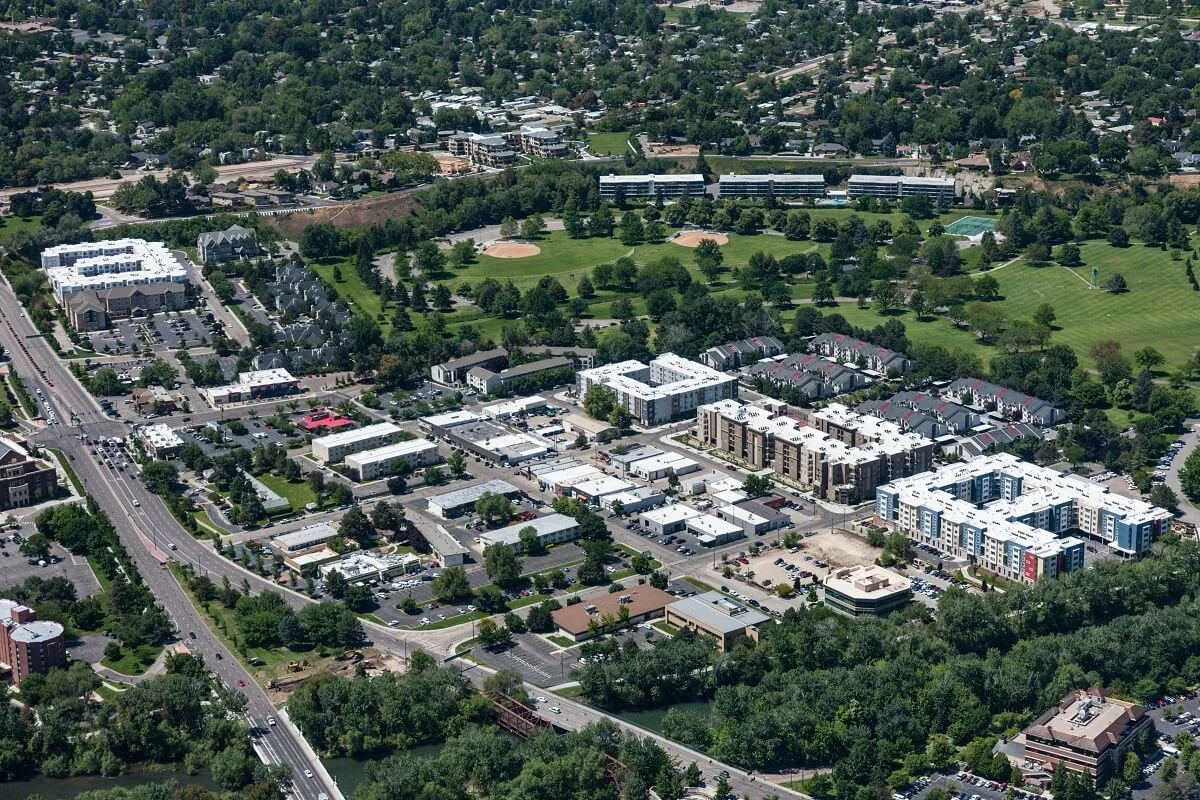
A clogged drain at Ten Mile Crossing can affect the next repair decision. We check the bowl, overflow, adjacent seams, and interior report before defining work. Dispatch needs the Meridian address, roof zone, leak status, and contact who can release access. Ten Mile Crossing covers roughly 300 acres on the east side of Ten Mile Road, within the corridor linking I-84 and Franklin Road. Its stated mix includes office, retail, restaurants, banks, and medical services. The City has also reported active commercial projects there. Those uses call for property-specific coordination, not assumptions about roof construction.

Meridian’s winter cycle makes drain and overflow checks part of seasonal planning. We inspect the bowls, flashing, and roof surface at the property before choosing work. Nearby Boise Air Terminal normals help plan seasonal visits; the inspection checks the installed roof and drainage directly. A drain and overflow review records the actual condition at the building.

Map the Work to the Property

The first visit starts with the building contact and reported concern. We confirm the entrance, loading area, roof hatch, escort needs, and operating window. An office visit may need a different notice process than a restaurant or medical tenant. We ask which conditions apply here. The building contact confirms the service entrance, roof hatch, and staging route. The site representative gives those instructions.

We walk the roof by zones. At each drain, we inspect the bowl, strainer, flashing, slope, and nearby membrane. We check overflow openings for blockage and verify that water has a visible path away from walls and equipment. At seams, we look for separation, wrinkling, or prior patches. At penetrations, we inspect flashing height, sealant, and attachment. Photos show the condition beside a plan reference. A commercial roof inspection can document the whole review before the owner chooses a repair.

The Ten Mile plan includes retail, office, light-industrial, and nearby residential uses around the I-84 interchange. We confirm current delivery routes, tenant limits, and equipment conflicts with the property contact. Each building needs its own roof inspection and assembly record.

Follow the Water to a Confirmed Detail

A ceiling stain near a storefront may sit below an entry point several feet away. We compare the report with roof slope, drains, parapet edges, equipment, and previous repairs. The suspected route remains separate from a confirmed opening in the photo log. If water may be trapped in insulation, we explain whether infrared review or a test cut would change the repair boundary. The owner approves any opening and protection below. A moisture survey can direct closer review when conditions support it, but a reading alone does not prove wet material.

Summer heat can stress exposed details. We check the actual sheet, welds, and flashing at the building. Shade, roof orientation, and equipment placement vary across a surface, so observations stay tied to the inspected zone.

Winter calls for a separate drain and overflow check. We look for ponding, debris, open flashing, and freeze-related splits. Prior service records may show a recurring issue even when the drain is clear during inspection. If the cause remains uncertain, the report identifies the next test.

Ten Mile Crossing in Meridian, ID

Choose Repair, Recover, or Replacement

A local roof repair may fit when the surrounding membrane and substrate remain serviceable. We define the affected zone, preparation, material, tie-in, and closeout photos. A failed drain flashing can require work around the bowl and nearby sheet. A seam opening may need a larger weld area. If testing finds wet insulation or a damaged deck, the owner reviews the wider boundary before removal proceeds.

Replacement planning starts with assembly, deck, drainage, and rooftop equipment. A recover needs confirmation that existing layers can support the added assembly. A coating requires a compatible, prepared substrate. A replacement may involve removal, disposal, crane or lift scheduling, tenant notice, and temporary protection. The estimate identifies those drivers. Roof height, access, material choice, surface preparation, and weather can affect duration. We state what is included and which condition could change the scope.

A TPO assembly can be repaired when the installed membrane and weld area are confirmed. Metal details need their own review at fasteners, laps, and penetrations. A standing-seam roof uses different attachment and seam details. We do not choose material from appearance alone. Markings, project records, and field inspection guide the repair method.

Ten Mile Crossing in Meridian, ID

Keep Occupied Areas in the Sequence

Medical, office, retail, and food-service operations can have different limits below the roof. The contact identifies rooms needing protection, delivery windows, and escort rules. We keep people clear of the work zone. Work crossing several tenant areas may need phases and a named approver for schedule changes.

Emergency response is available at any hour, holidays included. Dispatch records active water entry, the affected room, the roof zone, and any temporary control approved by the owner. Permanent repair follows a check of the substrate and preparation conditions. Rain, frost, or excess moisture can require a return visit. Dispatch records the reason and rescheduling step. A repair visit should leave the facility contact with a clear status and return requirement.

Send the exact address, leak location, roof plan, previous repair records, and access contact. Add recent equipment work and operating restrictions. That lets dispatch set an inspection window before materials or lifts are scheduled. For additional properties, the contact can identify roofs at Eagle View Landing or The Village at Meridian separately. Each building gets its own condition record and route plan.

Ten Mile Crossing in Meridian, ID

Leave a Clear Record

The owner receives a dated work summary with material identification, roof-plan reference, and remaining questions. Any later leak starts a separate record. We compare events only when the inspection supports a connection.

Preventive maintenance can revisit drains, seams, and penetrations on a schedule chosen by the owner. A maintenance visit can also track a recurring overflow or curb concern. We identify the inspection zone and note changes since the last visit. A written condition report can support a repair decision, a reserve review, or a replacement discussion. It does not substitute for a test when concealed layers remain uncertain.

For Ten Mile Crossing, dispatch needs the building address, active concern, recent roof history, and person who can provide access. We confirm the inspection window, document findings, and set any test or repair boundary for approval. The next step follows the roof evidence and the operating limits at that property.

What does a roof inspection cover at Ten Mile Crossing?

We check the reported area and connected details. That includes seams, drains, overflows, penetrations, curbs, edges, and visible prior repairs. Photos tie findings to the roof zone. We also record access limits and distinguish observed defects from suspected water paths.

Can work be scheduled around a medical or retail tenant?

The site contact sets the access window. We ask about escorts, delivery routes, quiet periods, and rooms needing protection. If the work crosses several tenant areas, the plan can divide the roof into zones. A change in access can affect sequence and duration.

How do Boise weather normals affect roof planning?

Boise Air Terminal is a nearby regional proxy for Meridian. Its climate readings help plan heat and winter drainage review. We inspect the installed membrane, seams, and outlets before identifying a defect.

When should a drain problem become a larger project?

Repeated ponding, damaged bowls, wet insulation, or a deteriorated deck can widen the repair. We inspect the drain and surrounding assembly, then describe any testing needed. The owner reviews that evidence before authorizing removal beyond the first repair boundary.

Which details affect repair timing?

Roof access, work hours, lift placement, material compatibility, surface moisture, and equipment conflicts affect sequence. Dry conditions may be needed for adhesion or welding. Dispatch records the condition and return plan if a safe repair cannot proceed during the first visit.

Arrange a Ten Mile Crossing Inspection

Send the property address, active leak location, recent roof history, and site access contact. Dispatch will confirm the building and schedule the first inspection window.

Call 555-555-5555 or fill out the form and we will be in touch.

Got a Leak?

For active leaks, storm damage or other urgent roof problems, call us directly at: 555-555-5555.

ServicesRoof SystemsProperty TypesIndustriesService AreasDamage RepairCapabilitiesManufacturersAboutRequest a Roof Assessment555-555-5555
Call555-555-5555