Commercial Roofing in Downtown Meridian, ID

Commercial roof inspections and repair planning in Downtown Meridian, with coordination for Old Town businesses and public-facing properties.

Downtown Meridian

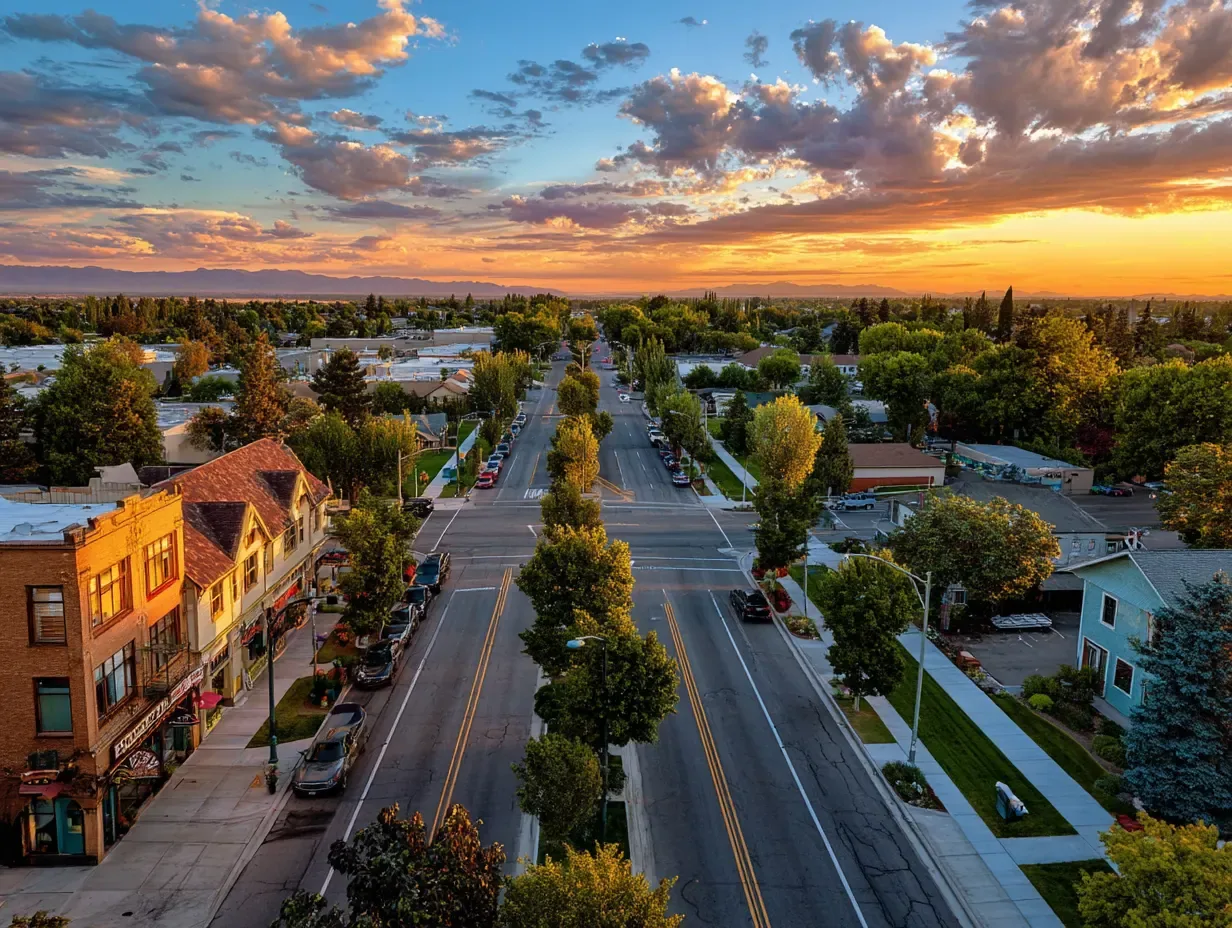
A split flashing above an Old Town business needs a careful first read. We inspect the wall return, nearby seam, drain path, and interior report before choosing a repair. Historic Old Town functions as Meridian’s community center, with retail, restaurants, personal and professional services, offices, and public uses. Downtown development includes Old Town Lofts and Union 93. We confirm the installed assembly from building records and visible roof details. Dispatch needs the address, leak location, and access contact for the building.

Boise Air Terminal averages 11.51 inches of precipitation each year, with July and August averaging 0.21 and 0.17 inches. The station is a regional proxy for Meridian. We use that dry-summer profile to plan surface review, then inspect the building’s drains, flashing, and membrane directly. A roof inspection records the actual condition and any limit on access.

Walk the Reported Area First

Downtown businesses and public uses may have different entrances, hours, and interior contacts. We ask where water appeared, when it started, and which room or tenant area is available. Then we trace the nearest roof zone. The walk checks field seams, parapets, wall flashing, equipment curbs, drains, skylights, and edge metal. We take photos that show the defect and its location. A stain below a wall does not prove the flashing is the entry point.

Downtown commercial development includes Old Town Lofts and Union 93. Each building requires its own records and access plan. We verify the roof type and current condition at the property. At an older property, previous patches, added equipment, and multiple roof layers may complicate a repair boundary. We document visible transitions and compare them with available plans. A roof condition report can preserve a dated set of findings for the owner.

At a wall transition, we check flashing height, termination, sealant, and membrane movement. At a drain, we look for debris, bowl separation, and a clear overflow path. At a curb, we inspect each corner and the adjoining sheet. We label a suspected route separately from a confirmed defect. If access to a tenant space is restricted, the report lists that limit. A second visit may be needed when the owner can provide interior access or approve testing.

Use Evidence to Locate the Entry

Water can travel under a membrane or along a deck before it reaches an interior room. We compare the stain with slopes, drains, penetrations, and prior repair notes. If concealed moisture could change the work, we explain what infrared review or a test cut may answer. The property lead approves the opening and protection below. An infrared moisture survey can help identify a pattern for closer review when conditions permit. We confirm wet material through a test cut or another direct method.

Winter planning uses nearby Boise Air Terminal normals. July averages a 92.7°F daily high, while January precipitation averages 1.41 inches, using Boise Air Terminal as the regional proxy. The summer value frames heat checks, while the winter reading supports drainage review. Each roof still needs direct inspection of seams, edges, drains, and overflows. Prior reports can help assess a recurring concern after a dry visit.

A test cut answers one question at one point. We map it, photograph exposed layers, and record closure. Findings apply to that sample. Any added location receives a separate purpose and record.

Downtown Meridian in Meridian, ID

Separate the Immediate Fix From the Larger Plan

A localized repair can fit when the material and substrate remain sound beyond the defect. We set the preparation, compatible material, tie-in, and edge of work. A failed wall flashing may need a focused detail. If wet insulation or deck damage appears below it, the owner reviews a larger scope. A commercial roof repair proposal ties the work to the observed condition and test result.

Recover, coating, and replacement address different roof conditions. A recover needs confirmation of existing layers, attachment, drainage, and substrate. A coating requires a suitable surface and prepared details. Replacement can involve removal, disposal, temporary protection, and coordination with tenants or public access. The estimate considers roof height, staging, equipment, material availability, surface condition, and work hours. We list confirmed scope separately from any condition that could expand removal.

Downtown’s mix of office, public, restaurant, and retail use can affect access below the roof. A project may need a barrier near an entrance, a delivery window, or a phased work area. The property contact confirms those requirements. If a work area cannot stay safely closed, we change the sequence or return at an approved time. The plan states daily closure expectations and who can authorize a schedule change.

Downtown Meridian in Meridian, ID

Coordinate With the Building Contact

The contact confirms entrance, hatch, escort, interior access, operating hours, and affected public routes. We record who approves protection and receives closeout. The owner identifies rooms and walkways needing protection. Each address gets its own access note.

Emergency response is available at any hour, including holidays. Dispatch records the affected room, active entry, roof zone, and approved temporary measure. We inspect safe access and surface condition before setting permanent work. A wet surface, frost, or restricted roof hatch can change what is possible on the first visit. The contact receives the current status, any temporary action, and the next decision needed.

Send the Meridian address, active leak location, prior repair photos, roof plan, and access contact. Include any event, business, or public-use restrictions that affect staging. If a portfolio includes The Village at Meridian or Ten Mile Crossing, list those properties separately. The district name does not replace building-level access instructions.

Downtown Meridian in Meridian, ID

Document What Changed

Closeout photos show preparation, material, tie-in, and repair limit. We note testing, areas left unopened, and any follow-up item. The owner receives the roof zone and date so a later call can be compared accurately. A new stain stays a separate report until inspection connects it with the earlier repair. This keeps work records useful when tenants, managers, or service contacts change.

Maintenance can revisit drains, seams, wall transitions, and rooftop equipment. A preventive roof check can track one known area without authorizing replacement. The building owner chooses timing and approves tasks. If findings support larger planning, a capital review can distinguish near-term repairs from replacement questions. The written observations remain tied to the inspected building.

For Downtown Meridian, send the specific address, leak location, recent roof history, and the person who can release access. Dispatch will confirm the first inspection area and set a visit window. We report observed conditions, tests performed, and any area that still needs review.

Can a downtown roof be repaired while a business is open?

The access plan depends on the repair location, noise, interior protection, and public route. We confirm operating hours and any affected entrance with the property contact. Work can be phased when conditions allow. The owner approves notices and temporary barriers.

Does a historic district name tell you how old the roof is?

No. The Old Town description applies to the community center, not the age or condition of an individual roof. We inspect the property, review records, and note visible layers or prior repairs before setting scope.

How do you check a leak near a parapet?

We examine the wall flashing, termination, nearby seams, and roof drainage. Photos show the reported area and any confirmed opening. If the water path remains uncertain, we identify a test that could change the repair decision.

Do the city’s downtown projects use the same roof system?

Project names do not establish roof type. We verify the building address and identify the installed assembly from records, markings, or inspection. Each finding stays limited to the roof area reviewed.

What delays a repair in a public-facing area?

Roof access, interior protection, material conditions, weather, staging, and pedestrian routing can affect timing. We confirm the approved route and work window before mobilizing. Dispatch records any constraint and the next safe step.

Schedule a Downtown Roof Inspection

Send the building address, active leak location, roof history, and site access contact. Dispatch will confirm the property and set an inspection window.

Call 555-555-5555 or fill out the form and we will be in touch.

Got a Leak?

For active leaks, storm damage or other urgent roof problems, call us directly at: 555-555-5555.

ServicesRoof SystemsProperty TypesIndustriesService AreasDamage RepairCapabilitiesManufacturersAboutRequest a Roof Assessment555-555-5555
Call555-555-5555