
Wind Damage Roof Repair in Meridian, ID

Wind damage roof repair in Meridian, ID starts with a check of roof edges, seams, curbs, and interior reports tied to the affected building.

Wind Damage Roof Repair

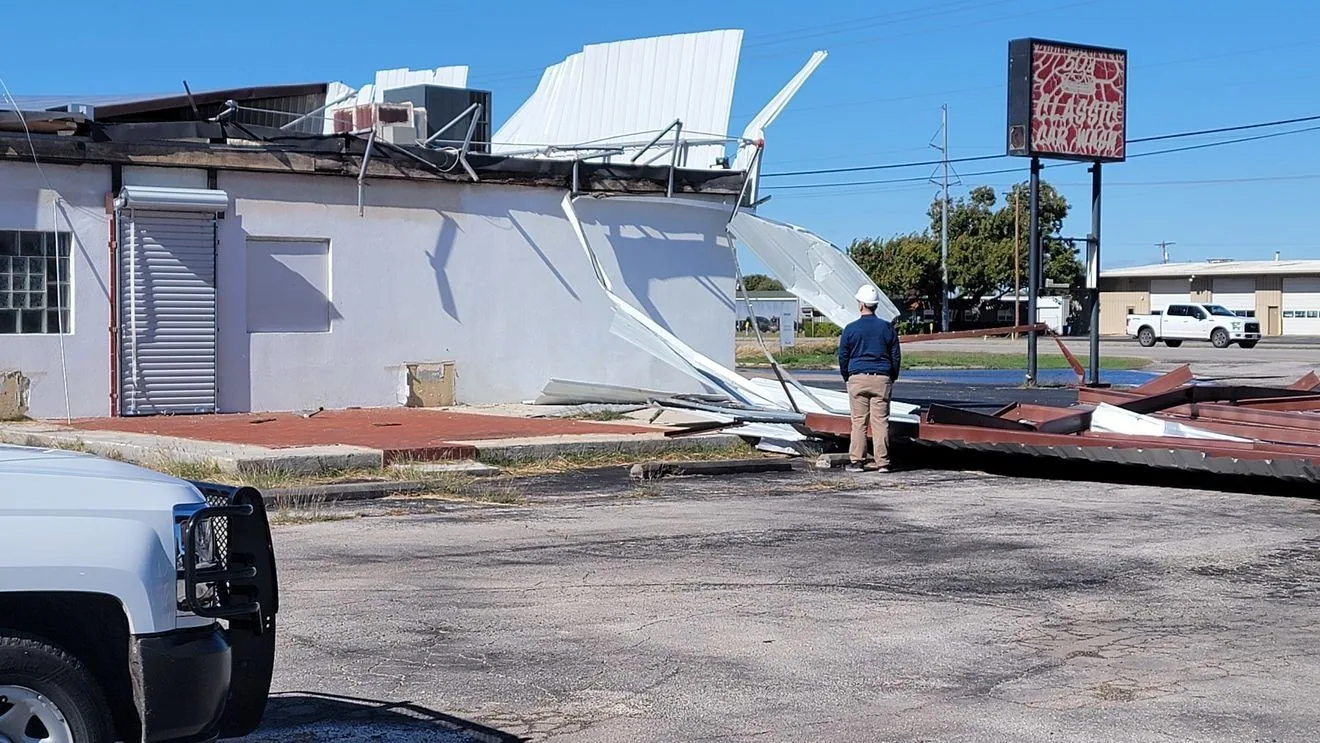
Perimeter metal pulled from its line calls for a direct fastening review. Our first roof pass follows edge fasteners, corner details, and the panel line nearest the reported area. Give the affected elevation, reported event date, displaced component, leak status, and the person managing site entry. We compare reported timing with visible roof findings. The first record separates a new displacement from older wear that may need a different scope.

Map the Change at the Roof Edge

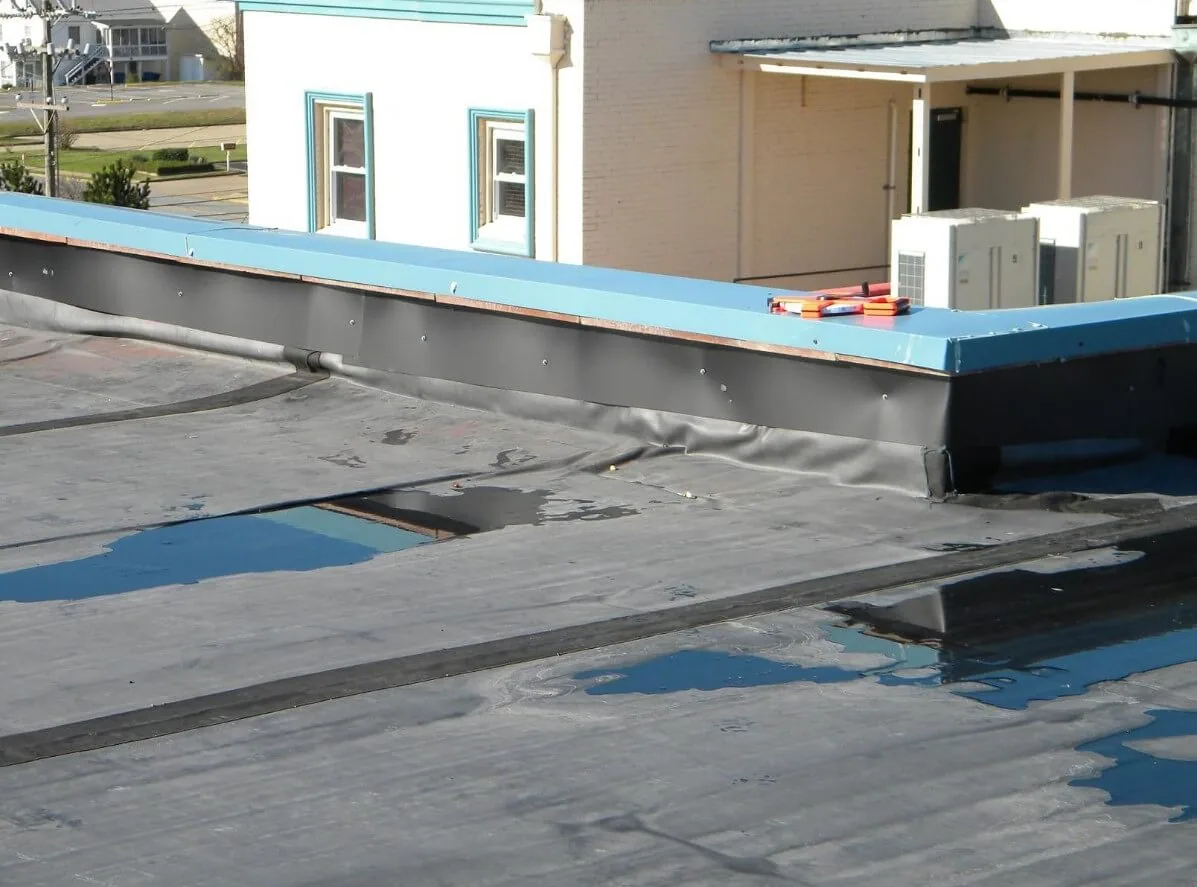
Wind-related reports often point first to perimeter metal, corners, coping, or a loose panel. We photograph the affected detail and check its connection to the roof field. A lifted edge can expose fasteners or membrane termination. A metal panel may move at its lap. We record the location and adjacent conditions rather than assume that one loose component explains a leak elsewhere.

The inspection continues across seams, penetrations, equipment bases, skylights, and drain openings. We look for fresh displacement, punctures, broken components, and debris impact. A repair patch or aged sealant can predate the reported event. We note those conditions alongside the reported timing. The owner receives a map of observed damage and areas that still need access or testing.

Meridian's Fields Subarea and Eagle Road corridor are distinct local settings with different property and access patterns. A building near Eagle Road may have different lift staging than a site among Fields employment uses. Neither location establishes a wind event or roof condition. Dispatch confirms the exact address and safe route before the crew moves equipment onto the property.

At a metal edge, the fastener pattern and substrate attachment matter as much as the displaced piece. We note missing or backed-out fasteners, elongated holes, bent cleats, and separation at adjoining membrane. Photos include a stable reference point and the direction of movement where visible. That record supports a repair detail and gives the owner a clear comparison for any later inspection.

Trace Water from the Reported Area

A ceiling stain can sit below a loose edge or far from a damaged penetration. We compare the room mark with roof slope, drains, wall returns, and equipment curbs. The report identifies active entry, visible interior damage, and likely paths that still require confirmation. If the facility can share photos taken before temporary protection, those can help us locate the first roof check.

After a wind concern, debris can obstruct a drain or leave impact marks near a skylight. We inspect outlets and overflow routes directly. If the roof is wet or access is unsafe, we schedule the hands-on review when conditions permit. We do not treat an aerial image as proof of attachment or hidden moisture. A drone can document broad visible areas, while a close inspection checks fasteners, laps, and details.

Meridian’s Fields Subarea lies between Ustick, McDermott, Chinden, and Can-Ada roads. It includes industrial employment areas alongside civic, school, retail, office, and park uses. Dispatch uses those boundaries to confirm the property address and safe route before equipment arrives. We inspect the reported elevation directly.

Wind Damage Roof Repair in Meridian, ID

Separate a Loose Detail from a Larger Failure

A displaced coping section or open perimeter termination can be repaired when the substrate and adjacent membrane remain stable. We identify the attachment, prepare the surfaces, and state how far the repair extends. Torn membrane, wet insulation, or a compromised deck can require selective removal. The scope names each affected roof zone and distinguishes temporary protection from permanent work.

If damage repeats across edges or panels, we compare repair with a broader system response. The review considers attachment, substrate, drainage, roof height, and transition details. Metal retrofit, recover, or replacement may be options when the existing assembly and structure support them. Coating is not a substitute for securing loose material. We explain the evidence and any testing needed before expanding the boundary.

Wind-related work may involve storm roof inspection, perimeter metal repair, or photo records for a claim. A failed wall detail or standing water at a low area may need separate review. We can compare metal retrofit work after checking the support and panel condition. The property record keeps each finding tied to its location.

Wind Damage Roof Repair in Meridian, ID

Control Access Before Temporary Protection

The property contact confirms roof-hatch access, lift staging, interior entry, and any tenant or visitor routes that need to remain open. We identify where temporary protection can be installed and who approves it. If another contractor needs a curb or panel area, we record the handoff. Dispatch notes list the person receiving status updates and the next access window.

Dispatch records the event time, affected elevation, active entry, and any displaced material. The property representative controls temporary protection and roof access. A fastening repair follows hands-on review of the substrate and perimeter. We photograph any cover before it obscures the original condition.

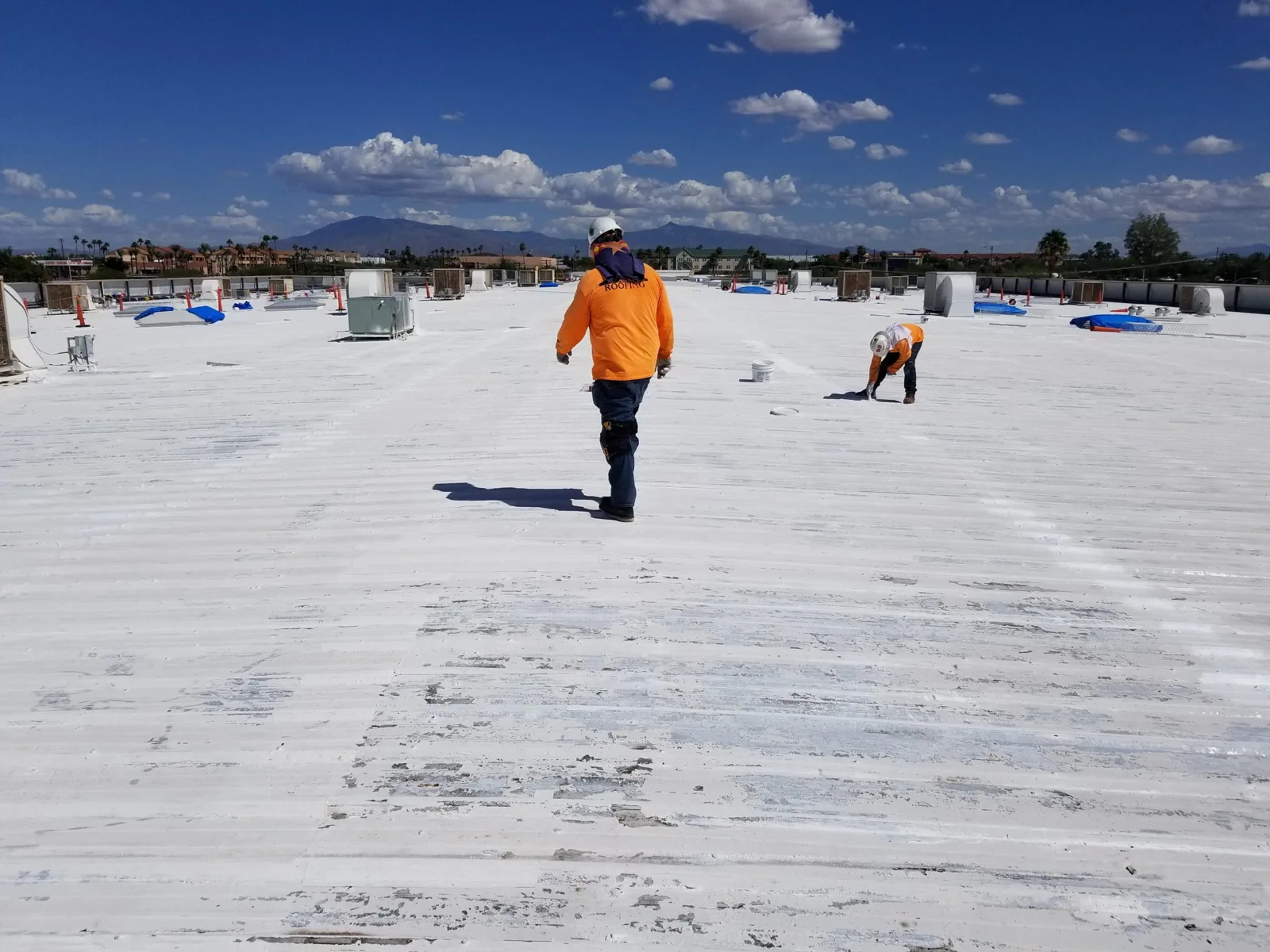
Work may be phased by elevation or roof zone. Each open area receives a secure closure at shift end. We keep drains clear and materials away from entrances and equipment routes. If wind conditions prevent safe installation, the crew stops and records the access limit. A returning visit follows the facility's approval and the weather window.

Wind Damage Roof Repair in Meridian, ID

Close the Report with a Roof Map

The closeout record pairs each loose or displaced component with its roof-grid location. Photos show the secured connection and adjacent materials. We list the fastening method, any substrate condition that limited work, and panel or edge lengths left for a later phase. Facilities staff can use that location record when comparing event photos with the repaired elevation.

A maintenance visit can revisit perimeter metal, fasteners, seams, drains, and penetrations after repair. A roof condition inspection can document other areas when requested. A condition report can preserve the findings by date and roof section. We list any follow-up item that needs a separate work order.

For local routing, Eagle Road and Fields Subarea are useful references. Dispatch still needs the building address, active leak location, recent roof history, and site contact. Add the roof hatch, escort, and lift instructions. We will set the first inspection around the property's access window.

What roof areas do you check after a wind report?

We inspect edges, corners, seams, panels, penetrations, curbs, and drainage. Photos tie each observed condition to a roof zone. We list access limits and any test needed to confirm concealed damage.

Can you tell whether a loose component is new?

Timing can be compared with maintenance records, earlier photos, and visible condition. We describe what the inspection supports and separate it from older wear or an unconfirmed cause.

Should a temporary cover stay in place before inspection?

The facility contact controls immediate protection. If safe, photograph the area before a cover changes the visible condition. We record the temporary measure and inspect the roof when access permits.

Will a drone inspection confirm attachment?

A drone can show broad visible conditions. Hands-on review is needed to check fasteners, membrane termination, and detail attachment. We select the method based on the roof question.

Route the Wind-Related Roof Call

Send dispatch the Meridian address, active leak location, reported timing, roof history, and site contact. Include roof access, lift, and temporary protection details so the first visit can be planned safely.

Call 555-555-5555 or fill out the form and we will be in touch.

Got a Leak?

For active leaks, storm damage or other urgent roof problems, call us directly at: 555-555-5555.

ServicesRoof SystemsProperty TypesIndustriesService AreasDamage RepairCapabilitiesManufacturersAboutRequest a Roof Assessment555-555-5555
Call555-555-5555