
Ponding Water Roof Repair in Meridian, ID

Ponding water roof repair in Meridian, ID starts with outlet checks, roof elevations, membrane condition, and a measured repair boundary.

Ponding Water Roof Repair

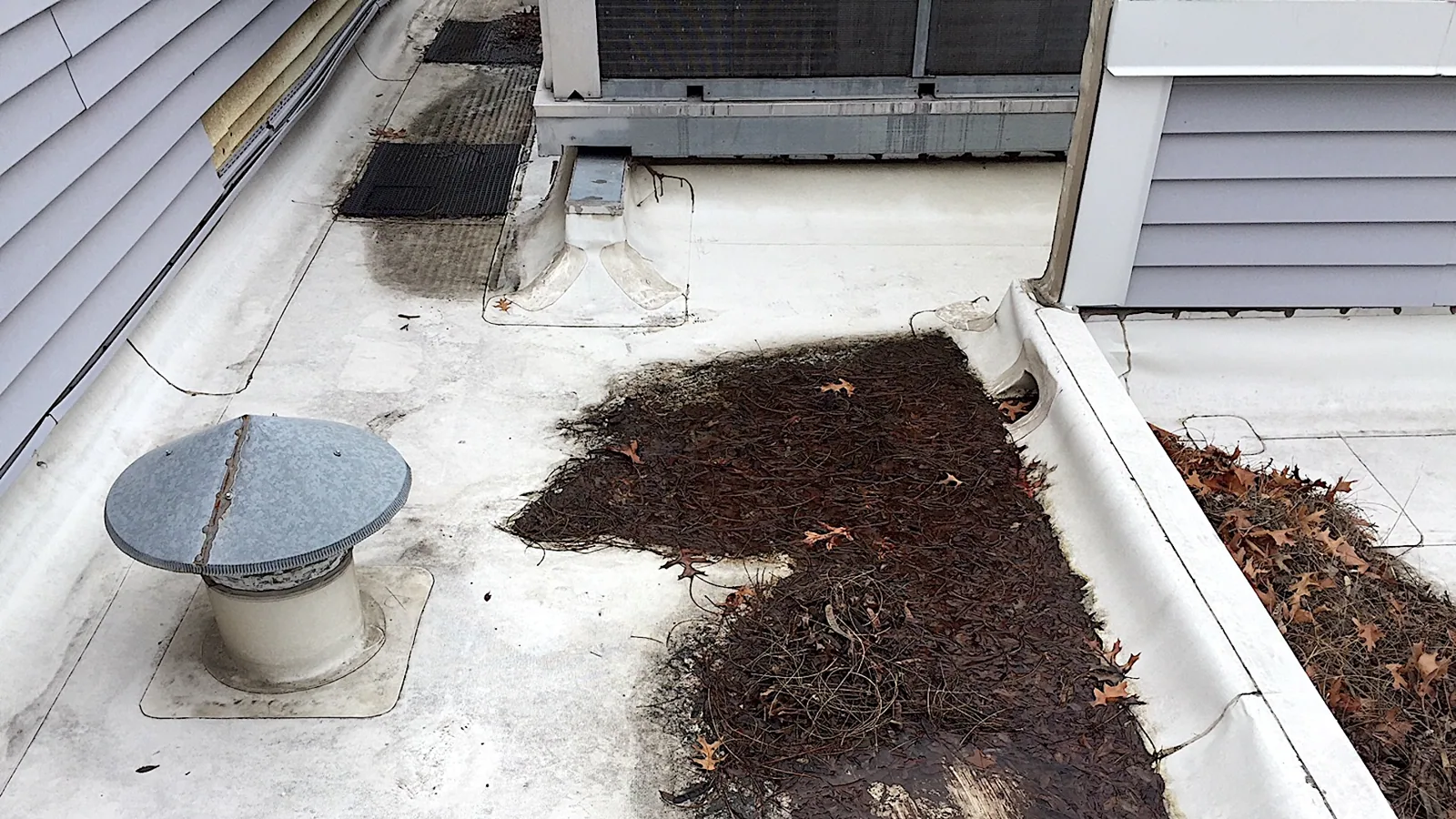
A tide mark beside a drain bowl gives the first place to look. We check the strainer, bowl, surrounding membrane, overflow route, and visible slope. Give the low-area location, any measured water depth, the nearest outlet, and roof-entry instructions. We note how long water remains when staff can report it. The inspection separates debris removal from conditions that need a roof correction.

Measure What the Roof Holds

We map low areas, outlet positions, crickets, seams, and interior reports. Sediment rings, algae, staining, or a clean track through debris can show where water has stood. A photo log labels each spot. We inspect the membrane around it for soft areas, blisters, splits, or open laps. A shallow area is not automatically a failed roof, so we record the size and context before proposing work.

Drainage depends on roof slope, outlet height, and the route water takes across the field. We check whether a strainer is blocked, a scupper is obstructed, or an overflow path is open. A drain can be clear during a dry visit yet still sit below a low area. When the cause requires elevation measurements, we can recommend a roof survey or design review. We do not promise a surface patch will change the slope.

Ten Mile Crossing sits near I-84 in a mixed commercial and employment setting. The Fields Subarea includes office, retail, civic, park, school, and industrial employment uses. These places may contain different roof layouts, but neither location establishes ponding at an individual property. We confirm the address, outlet plan, and operating access before setting a repair boundary.

Where the low area is broad, a repeatable sketch is more useful than one close photograph. We mark the drain, parapet, visible slope breaks, and water line against a roof reference. A later visit can compare those same points after debris removal or drainage work. If exact elevations matter, the owner can authorize a survey with instruments suited to the roof plan.

Follow the Overflow Route

Water at a low point can spread beneath the membrane or move toward a parapet. We check the roof perimeter, drains, scuppers, wall transitions, and nearby penetrations. If the interior report is on another floor or in a distant room, we compare the structure and roof plan rather than assume a direct line. The inspection notes the path supported by observations and any part that remains uncertain.

The Boise Air Terminal regional record lists 1.41 inches as average January precipitation. A 25.4°F December mean daily low comes from Boise Air Terminal, used as a nearby regional proxy. Those values help frame seasonal scheduling. The inspection measures the actual low area, outlet elevation, and any water line. We inspect low areas, sediment tracks, and current water lines, then compare available photos after rainfall.

If water has reached insulation, a moisture survey may help focus a test cut. The sample can show layers at the selected point. We mark the location, coordinate interior protection, photograph what is exposed, and restore the opening. Results apply to the sampled area. A wider removal needs more evidence and owner approval. We record that distinction before discussing a larger repair.

Ponding Water Roof Repair in Meridian, ID

Choose Between Cleaning and Roof Correction

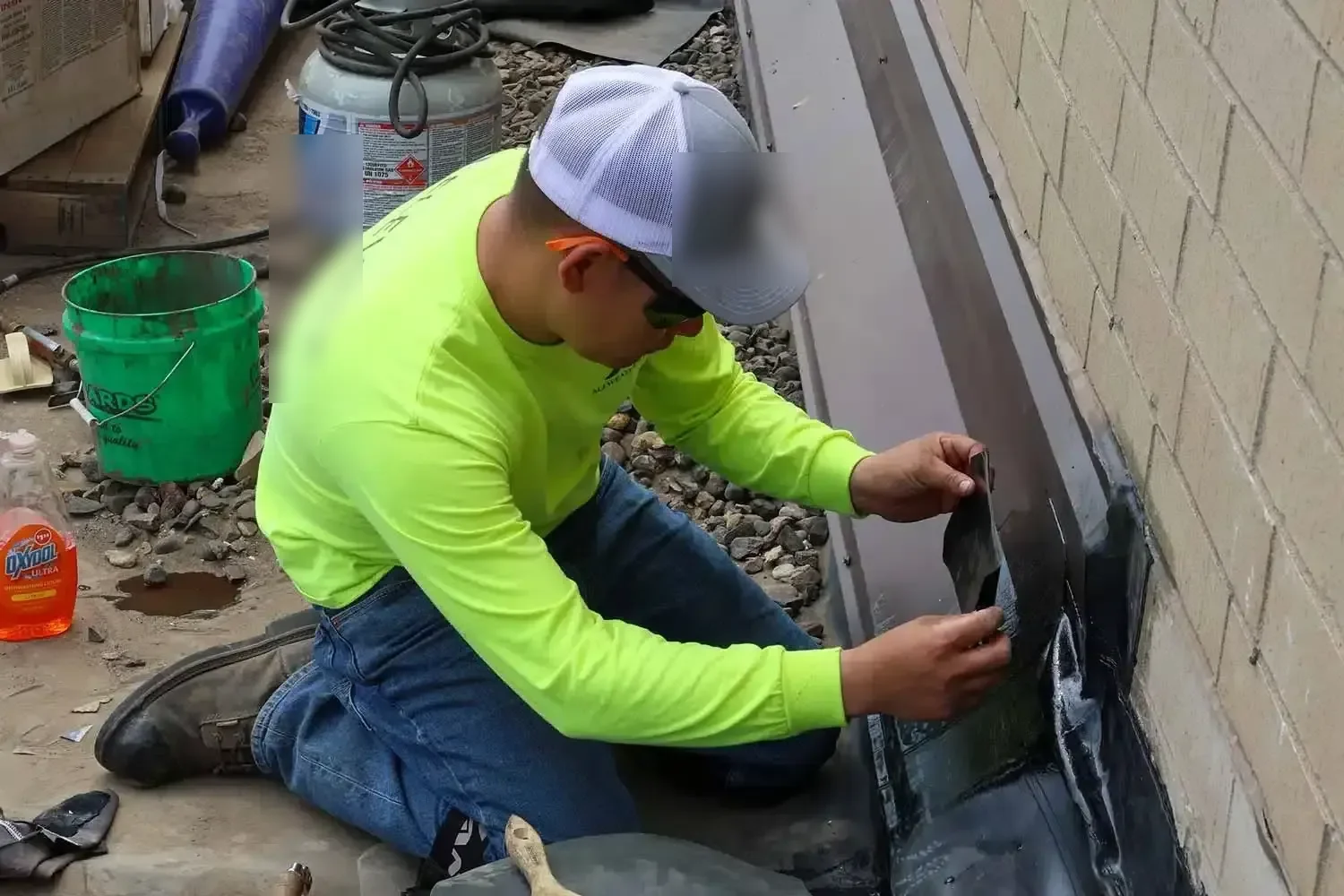
A blocked strainer can need cleaning and reseating. A detached drain flange, split membrane, or failed overflow detail requires repair at that connection. We identify the installed assembly, prepare the surface, and specify the repair limit. Wet insulation or damaged deck may require selective removal. The work order separates routine debris clearing from material replacement so the owner can see what changed.

Where ponding repeats, we assess slope, drain height, roof structure, membrane condition, and discharge capacity. A correction may involve a drain or scupper detail, tapered insulation, or a broader replacement plan. We compare the options against the actual roof and any concealed moisture. A coating can renew a suitable surface, but it leaves the drainage path unchanged. Timing and cost reflect access, material removal, interior protection, and whether outlets can be altered.

Water control may involve drain and scupper work, a roof condition review, or insulation replacement. A winter drainage issue may add a separate review, while wind-related damage can affect perimeter details. We can assess TPO membrane after confirming the existing roof.

Ponding Water Roof Repair in Meridian, ID

Keep Outlets Open During Repair

The property contact confirms roof-hatch access, staging, and any interior entry needed for testing. We identify drains that must remain open and how temporary protection will keep material out of the system. If a building stays occupied, the contact names rooms needing a barrier or temporary cover. Dispatch notes record who approves the repair boundary and who receives a completion update.

Work can proceed by roof zone. Before opening the membrane, we set an end-of-shift close and keep a safe route to each outlet. Loose material and packaging leave the roof daily. If weather changes the plan, the crew secures the active area and reports the limit. The owner receives a clear update before the next section opens.

Meridian's summers are dry and hot, while winter nights can freeze. Boise Air Terminal is a nearby regional proxy. Its July and August averages are only 0.21 and 0.17 inches of precipitation, from nearby Boise Air Terminal climate records. We use that seasonal pattern to plan a review, then inspect the roof itself. After dry periods, we check sediment, surface slope, and drain performance before the next precipitation cycle.

Ponding Water Roof Repair in Meridian, ID

Track the Low Area after Work

Closeout photos identify the outlet, repaired membrane, cleared debris, and any remaining low area. The report notes what was tested and which roof sections were not opened. The owner can compare the water line or outlet condition during a later visit. If ponding remains outside the repair limit, we name it rather than imply the full roof was corrected.

A maintenance inspection can revisit drain bowls, strainers, overflow paths, and areas where sediment collected. A planned roof check can record the condition after seasonal precipitation. A roof condition report can preserve the location and scope for future planning.

For local routing, Ten Mile Crossing is near the I-84 interchange. Dispatch still needs the building address, active leak location, roof history, and site contact. Include the drain or low area of concern and the roof-hatch procedure. The first visit can then start at the correct outlet and trace the surrounding roof.

How long can water remain before ponding needs review?

We record the observed extent, tide marks, outlet condition, and roof geometry. A single dry visit may not show the full drainage pattern. The owner can share timing, and measurements may be needed before setting correction scope.

Is a clogged drain the same as a roof slope problem?

No. Debris removal can restore a blocked outlet, while a low area may need measurement or design review. We inspect the drain and surrounding roof before recommending either work.

Can a coating stop water from collecting?

A coating can protect a compatible, prepared surface. It does not change roof elevation or outlet height. We assess drainage and the underlying assembly before considering a coating.

What should I send dispatch for a ponding report?

Provide the address, roof history, active leak location, drain or low-area reference, and access contact. Photos of the water line can help direct the first roof check.

Set a Drainage Inspection

Send the Meridian address, active leak location, roof history, outlet or low-area concern, and site access contact. Add photos and roof-hatch instructions so dispatch can route the first inspection.

Call 555-555-5555 or fill out the form and we will be in touch.

Got a Leak?

For active leaks, storm damage or other urgent roof problems, call us directly at: 555-555-5555.

ServicesRoof SystemsProperty TypesIndustriesService AreasDamage RepairCapabilitiesManufacturersAboutRequest a Roof Assessment555-555-5555
Call555-555-5555