Heat and UV Roof Damage Repair in Meridian, ID

Heat and UV roof repair in Meridian, ID checks membrane aging, sealant, seams, and penetrations against observed surface conditions.

Heat and UV Roof Damage Repair

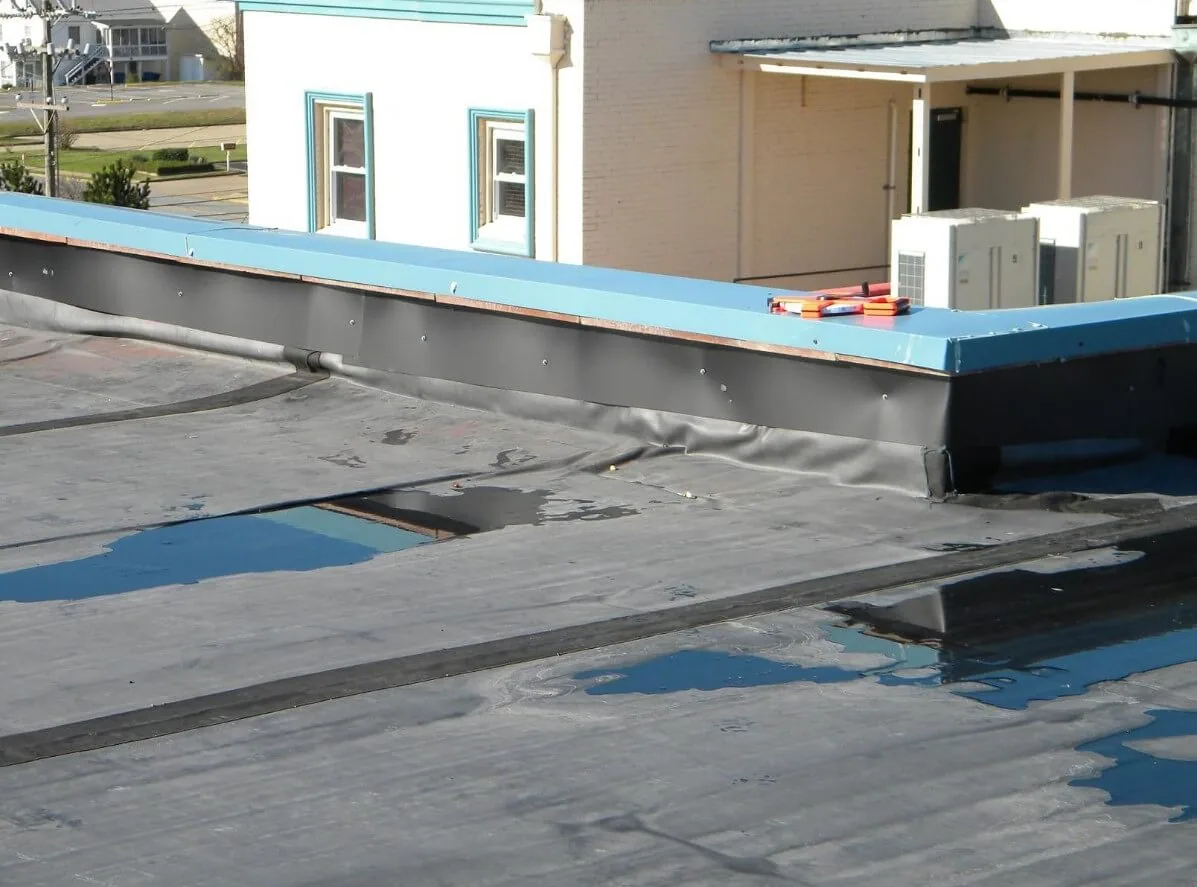
A brittle patch beside a rooftop unit needs a surface and seam check. We inspect membrane texture, exposed sealant, curbs, and nearby drainage. Share the affected roof zone, water-entry status, prior coating records, and the person controlling the hatch. We connect any interior report to the roof zone and record what heat-related wear is actually visible before setting a repair limit.

Check Exposed Material and Transitions

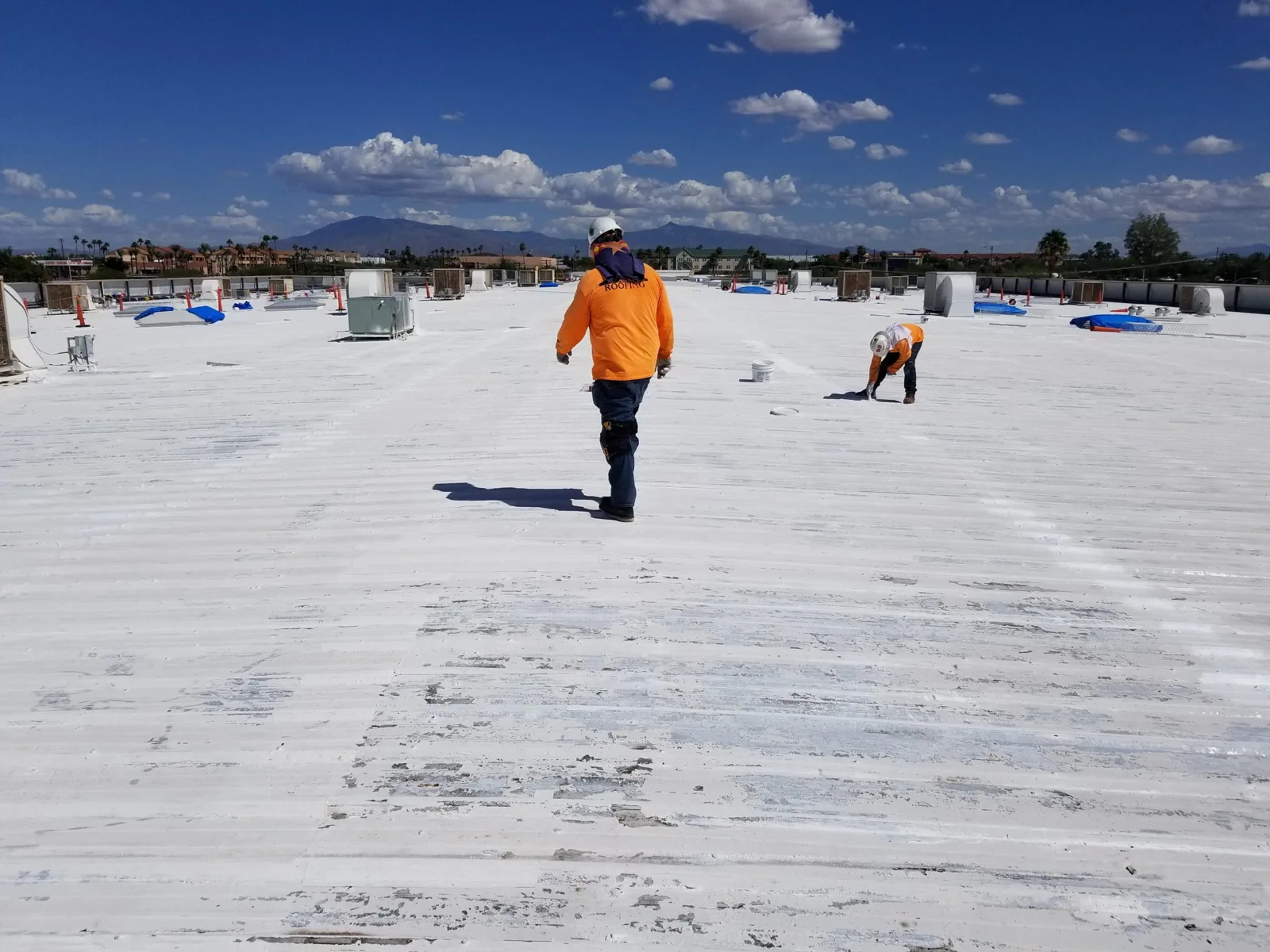
Heat and UV exposure can change membrane surfaces, sealant, and coatings over time. We look for cracking, chalking, loss of adhesion, open laps, and movement around equipment. The inspection also checks drains, edges, penetrations, and previous repairs. A faded surface alone does not prove failure. Photos show which roof zones have visible wear and which remain sound at the time of the visit. At a liquid-applied coating, we check pinholes, thin areas, adhesion, and reinforcement at transitions. On sheet membrane, we inspect cracking, seam condition, exposed backing, and surface chalking. Different assemblies age differently. We identify the product from records or markings when available. Repair method follows compatibility, not color or appearance. If an older coating hides the base sheet, a test area may be needed before a renewal scope can be set. The report notes that limit.

Boise Air Terminal normals, used as a nearby regional reference for Meridian, put the July average daily high at 92.7°F and record about nine days each year at or above 100°F. These figures frame a summer surface review. We inspect actual membrane, flashing, and fasteners.

Ten Mile Crossing covers roughly 300 acres east of Ten Mile Road between I-84 and Franklin Road. Its listed commercial uses include offices, restaurants, banks, retail, and medical services. The Village at Meridian adds dining, retail, entertainment, and office activity. Their commercial uses bring distinct delivery and tenant schedules.

Trace Cracks Before Water Reaches the Deck

A brittle seam can open at a curb or wall return before water shows inside. We trace the reported area across laps, drains, skylights, and penetrations. The property contact can share patch dates and rooftop service work. We compare those records with the current roof. A stain may follow insulation or deck framing, so we label an assumed path until a detail or test confirms it.

Boise Air Terminal regional normals total 11.51 inches of annual precipitation. In nearby Boise Air Terminal records, July precipitation averages 0.21 inches and August 0.17 inches. We use this dry-season profile for scheduling only. Later precipitation can still enter through an open joint, so the inspection follows actual membrane, coating, and outlets.

Infrared review may help locate moisture when conditions support it. A test cut can confirm the roof layers at one point. We mark the sample, photograph the material, and restore the opening after inspection. If wet insulation is present, selective removal may be required. The report identifies what was tested and where the surface was not opened.

Surface review also records whether a rooftop unit shades one membrane zone while nearby field remains exposed. We compare material texture on both sides of that boundary and note any coating transition, lap, or repair edge. Those observations help distinguish broad weathering from wear tied to equipment access. The report names the areas compared and the limits of that visual review.

Heat and UV Roof Damage Repair in Meridian, ID

Restore the Surface Only After Substrate Review

A small crack or open seam may be repaired locally when the membrane remains stable. We prepare the surface and use materials compatible with the installed system. A coating can restore a prepared surface only when the assembly is dry and suitable. It does not correct wet insulation, loose attachment, or a failed transition. The scope identifies which condition the repair addresses.

Widespread brittleness, repeated splits, or wet layers can require more than a coating. We compare repair, recover, restoration, and replacement after reviewing attachment, moisture, drainage, and deck condition. The recommendation can separate near-term leak control from a long-range roof project. The written scope identifies the exact roof field and any adjacent area left outside the work. Timing and cost reflect surface preparation, equipment access, material removal, and whether the roof needs testing before new work is selected.

Heat-related roof work may involve coating restoration, moisture review, or a condition inspection. A puncture repair needs its own boundary, while fire-affected material requires a separate heat assessment. We can review silicone coating after confirming surface compatibility.

Heat and UV Roof Damage Repair in Meridian, ID

Plan Work for Surface Conditions

The site contact confirms the roof hatch, access window, lift staging, and interior protection. A hot roof can affect work sequence and the permitted handling of repair materials. We follow product conditions and the day's actual weather. Dispatch notes identify who can approve the work window and who receives a shift update.

Work can proceed in sections. We prepare only the area that can be repaired and closed under the day's conditions. If a surface cannot support the selected material, the crew pauses and records the reason. The property gets a revised work window and any temporary control. Drains, walkways, and equipment service routes remain clear throughout the shift.

Near Meridian, Eagle Road and Fields Subarea are separate local routing references. Each facility has its own roof access and operating hours. We confirm the property contact, staging area, and approved route before starting.

Heat and UV Roof Damage Repair in Meridian, ID

Track Surface Change over Time

Closeout photos identify the repaired seam, coating, membrane area, and final boundary. We note any test results and material condition that remains outside scope. A later inspection can compare the same roof zone with the closeout. The owner receives a record of observed wear, repair products, and follow-up questions.

Maintenance review can revisit exposed surfaces, penetrations, edges, and patched areas after summer conditions. A maintenance visit can add dated observations. A condition report can retain photos, test points, and work limits for the facilities record.

For routing near Eagle View Landing, dispatch still needs the exact Meridian address, active leak location, roof history, and access contact. Include previous coating or repair dates and the roof-hatch route. The first visit can then focus on the actual surface and connected details.

Does surface fading mean the roof has failed?

No. We inspect for cracks, adhesion loss, open seams, wet layers, and other defects. A faded surface alone does not establish a leak or replacement need.

Can a coating correct heat-related roof wear?

It can be an option for a prepared, dry, compatible assembly. We check seams, moisture, and attachment first. A coating will not correct wet insulation or loose components.

What should dispatch know before a summer inspection?

Provide the address, active leak location, roof history, access contact, and available work window. Include prior coating or repair dates and any rooftop equipment restrictions.

How do you confirm concealed moisture?

An infrared survey may help select an area when conditions support it. A test opening reveals layers at one location. We document the sample and restore the roof after inspection.

Route a Heat-Related Roof Review

Send dispatch the Meridian address, active leak location, roof history, surface or seam concern, and access contact. Add prior repair dates and the available roof window to plan the first inspection.

Call 555-555-5555 or fill out the form and we will be in touch.

Got a Leak?

For active leaks, storm damage or other urgent roof problems, call us directly at: 555-555-5555.

ServicesRoof SystemsProperty TypesIndustriesService AreasDamage RepairCapabilitiesManufacturersAboutRequest a Roof Assessment555-555-5555
Call555-555-5555