Commercial Roof Fire Damage Repair in Meridian, ID

Fire damage roof repair in Meridian, ID separates membrane, deck, flashing, and suppression-water conditions before setting safe restoration limits.

Commercial Roof Fire Damage Repair

A scorched membrane above a mechanical room needs an assembly check before restoration starts. We inspect heat-affected material, roof penetrations, edges, and any interior report. Dispatch needs the Meridian address, active water entry, roof history, and facility contact. Fire response, suppression water, and roof access may involve separate approvals. We record the visible roof condition and confirm the work area with the property representative.

Separate Heat Effects from Water Damage

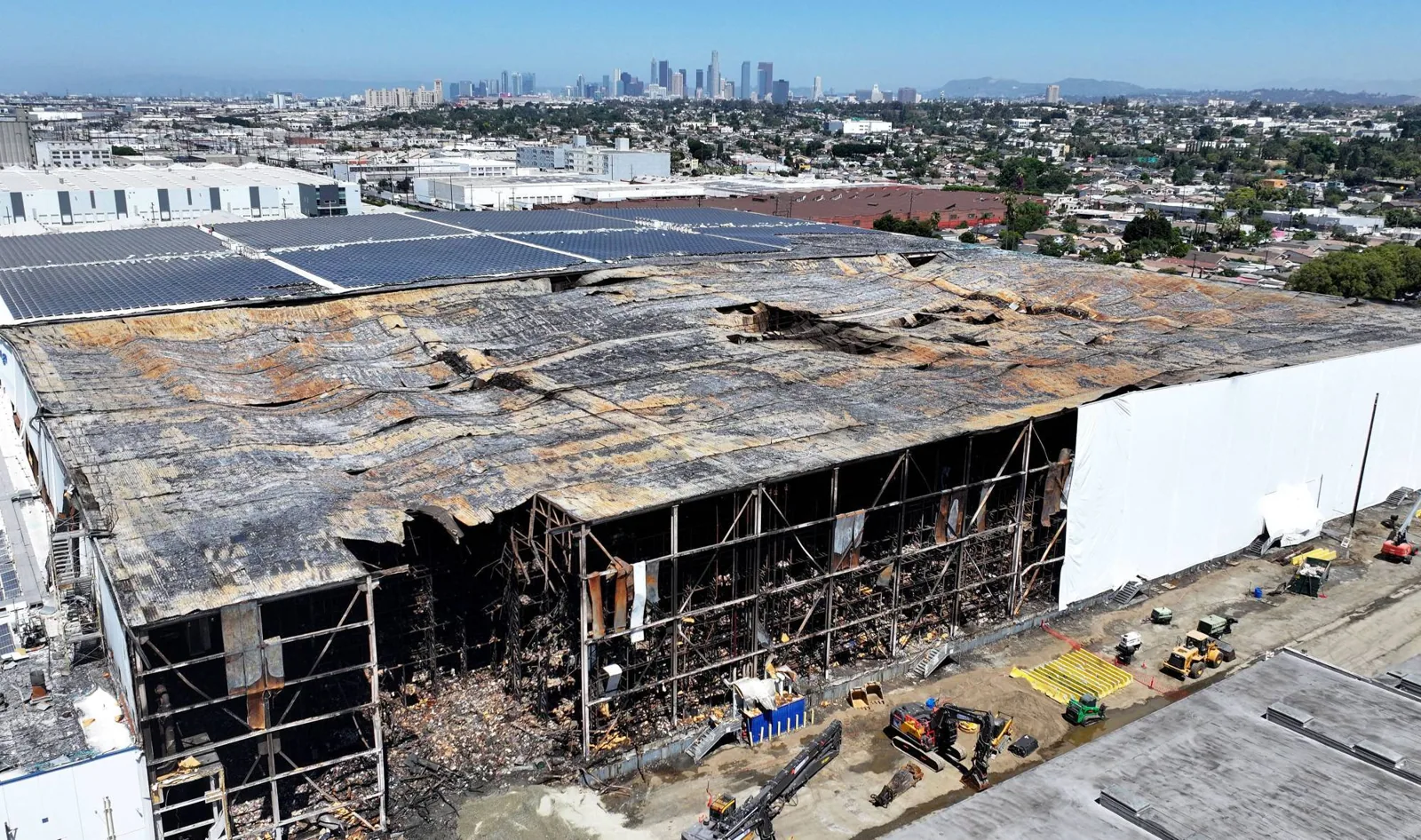
Fire-related roof conditions can include charred membrane, blistering, damaged insulation, warped metal, or an opening near equipment. Suppression water can travel beyond the visible burn area. We map each observation by roof section and photograph the edges of the affected material. The report distinguishes heat exposure, water entry, and conditions that need testing. We do not extend damage beyond what the inspection supports. Heat can affect more than surface color. We examine seams, curb corners, nearby fasteners, and any deformation. Smoke residue alone does not establish membrane failure. When removal is proposed, we label the section and photograph each layer as it is exposed. That record shows the roof condition and material removed.

We check membrane seams, flashing, drains, penetrations, and parapet details around the affected zone. Metal can change shape or lose an attachment at a heated area. Insulation may need removal to determine whether it remains sound. The facility contact identifies any interior room or equipment that cannot be accessed. We list those constraints and the next inspection step.

Meridian's Old Town includes offices, retail, restaurants, professional services, and public uses. The Fields Subarea includes civic, school, park, office, retail, and industrial employment settings. Old Town includes retail, restaurants, services, offices, and public uses; Fields combines civic, school, park, office, retail, and industrial employment settings. The property contact confirms the affected building and its access route. We confirm the affected building and its access route directly.

Trace Suppression Water Through the Roof

Water used during response may enter through a burned opening, a displaced curb, or an existing drain path. We inspect uphill from interior reports and check low points, seams, wall returns, and penetrations. Facilities staff can share when water was first observed and which areas were protected. We separate that history from roof conditions found during the visit.

At the nearby Boise Air Terminal, January average precipitation is 1.41 inches; its December mean daily low is 25.4°F. These are regional seasonal references for wet roof areas and drains. We record ponding, debris, and outlet damage at the property. We inspect the roof for water marks, debris, outlet damage, and heat-related movement.

Infrared readings can help locate moisture patterns when conditions support the survey. A test cut can reveal membrane, insulation, and deck layers at a selected point. We explain the test question, map the opening, and coordinate protection below. If wet material is present, selective removal may be needed. The record identifies the sample area and what remains untested before restoration scope expands.

Commercial Roof Fire Damage Repair in Meridian, ID

Set a Safe Restoration Limit

A small damaged area may be repaired locally when surrounding membrane, insulation, and substrate remain stable. We remove affected material as approved, prepare the surface, and install compatible components. If heat altered a larger area or wet insulation extends beyond it, removal can widen. The written scope marks the repair boundary and lists testing, interior controls, and temporary closure.

Wider damage may require a system-level review. We compare repair, recover, restoration, and replacement after checking the deck, attachment, drainage, and compatibility. A coating is considered only when the substrate is sound, dry, and suitable. We identify structural or engineering review needs if the inspection reveals changes outside roofing scope. The owner can review findings at each exposed layer and authorize further removal separately, tying approval to a specific condition. Timing and cost reflect access, removal, disposal, material matching, and any staged re-entry.

Fire response can leave roof conditions that need a condition inspection, photo records for a claim, or insulation replacement. A membrane opening may require a separate repair limit. heat degradation can be present outside the visibly affected area. We can assess a modified bitumen assembly after confirming the system.

Commercial Roof Fire Damage Repair in Meridian, ID

Coordinate Re-Entry and Temporary Closure

The property lead confirms emergency access restrictions, roof-hatch procedure, escorts, and interior entry. We coordinate with the incident or facilities contact before moving through a controlled area. The owner identifies rooms that remain restricted and where temporary protection can be placed. We record who can authorize roof work after response activity ends.

Any temporary cover needs a defined location and secure edge. We photograph the condition before altering it when access is safe. Work proceeds only in the approved area. At shift end, exposed layers receive a weather closure and debris leaves the roof. If a separate restoration trade is working nearby, we identify its boundary and coordinate the roof interface.

Meridian's adopted provisions include local building, flood-damage, and fire-code amendments alongside code references. The owner or project team confirms which provisions apply to the repair and any reconstruction. We document roof findings and proposed roofing work. Permit or fire-restoration review follows the actual scope and authority having jurisdiction.

Commercial Roof Fire Damage Repair in Meridian, ID

Preserve the Condition Record

Closeout photos identify heat-affected material, removed layers, repaired roof details, and the final boundary. We list test results and any zone not reached. The owner can attach the record to its facility and restoration files. If a later report concerns another area, it receives a separate roof map and inspection date.

A follow-up check can revisit drains, seams, penetrations, and repaired transitions after the building returns to service. A maintenance visit can track new conditions. A condition report can retain photos and open questions by roof section. The record distinguishes roofing repair from interior restoration or mechanical work.

For local routing, Downtown Meridian and Fields Subarea are distinct references. Dispatch still needs the affected property address, active leak location, roof history, and site contact. Add any restricted route, approved work window, and re-entry limits. We can then plan the roof inspection around the authority controlling the building.

What should dispatch know after a fire response?

Provide the address, active water entry, affected roof section, response contact, roof history, and access restrictions. Note suppression water and any temporary cover. The facility representative approves re-entry.

Can the roof be evaluated before interior restoration is complete?

The inspection can document accessible roof conditions and limits. We coordinate any entry with the facility authority and identify areas that remain restricted. A later visit can add those observations.

Does visible charring show how much insulation is damaged?

No. Concealed layers may need a test opening. We mark the sample point, record what it reveals, and separate confirmed damage from untested material before setting removal limits.

Can you document the roof for a claim file?

We can provide dated photos, roof locations, observed conditions, repair scope, and open questions. The owner and insurer determine coverage and claim outcomes.

Route the Fire-Affected Roof

Send dispatch the Meridian address, active water entry, roof history, affected zone, and site contact. Include re-entry, escort, and temporary-cover instructions so the first inspection follows the approved access plan.

Call 555-555-5555 or fill out the form and we will be in touch.

Got a Leak?

For active leaks, storm damage or other urgent roof problems, call us directly at: 555-555-5555.

ServicesRoof SystemsProperty TypesIndustriesService AreasDamage RepairCapabilitiesManufacturersAboutRequest a Roof Assessment555-555-5555
Call555-555-5555