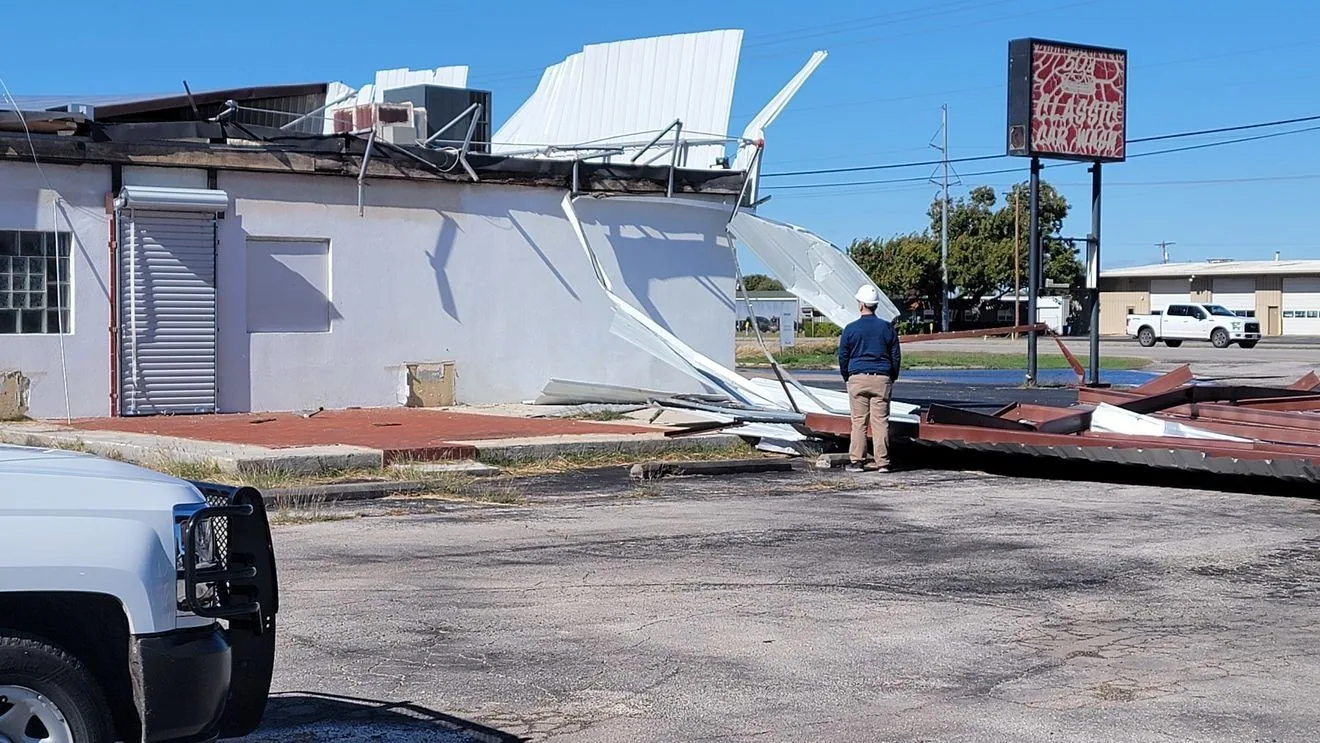
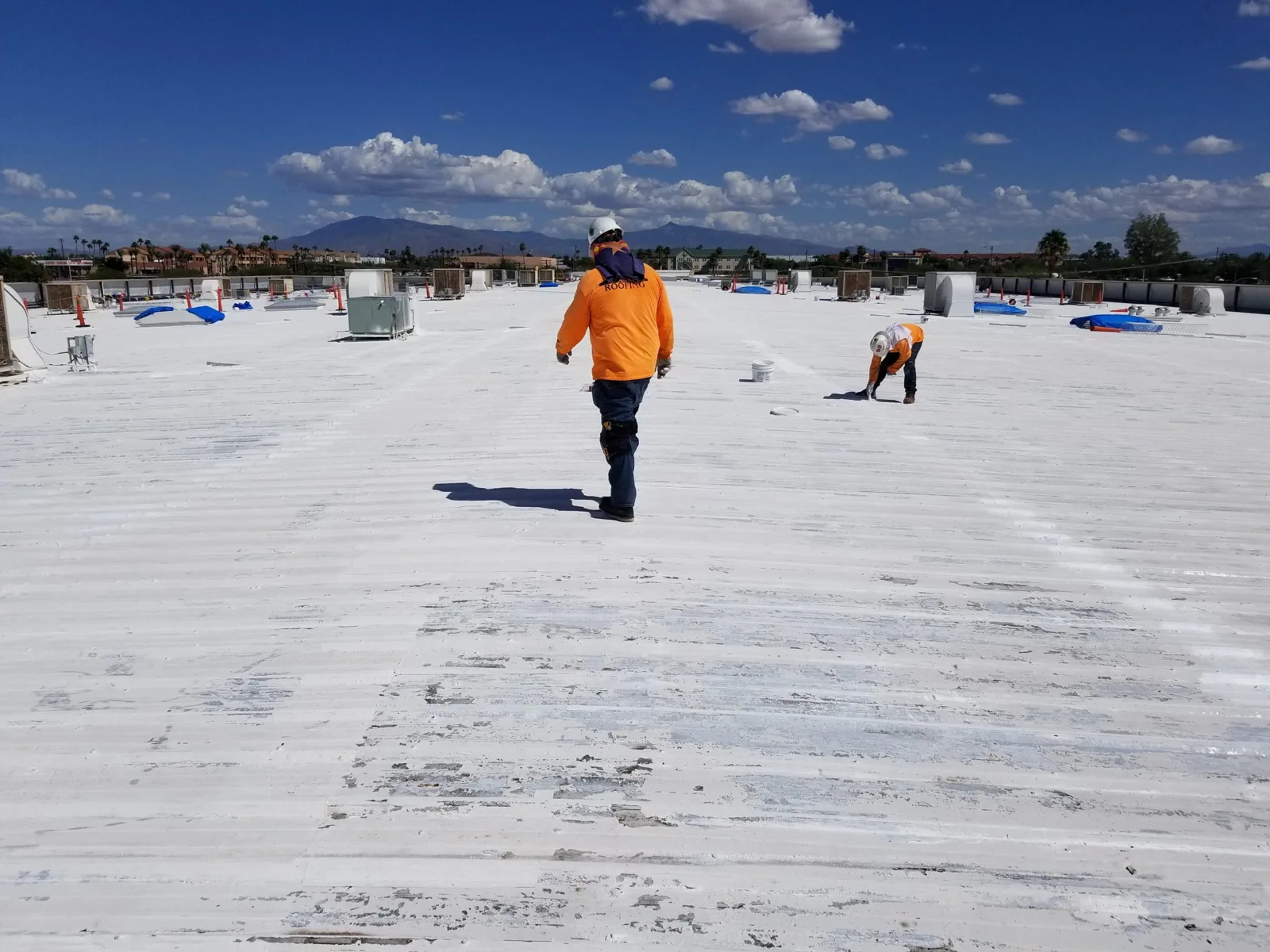
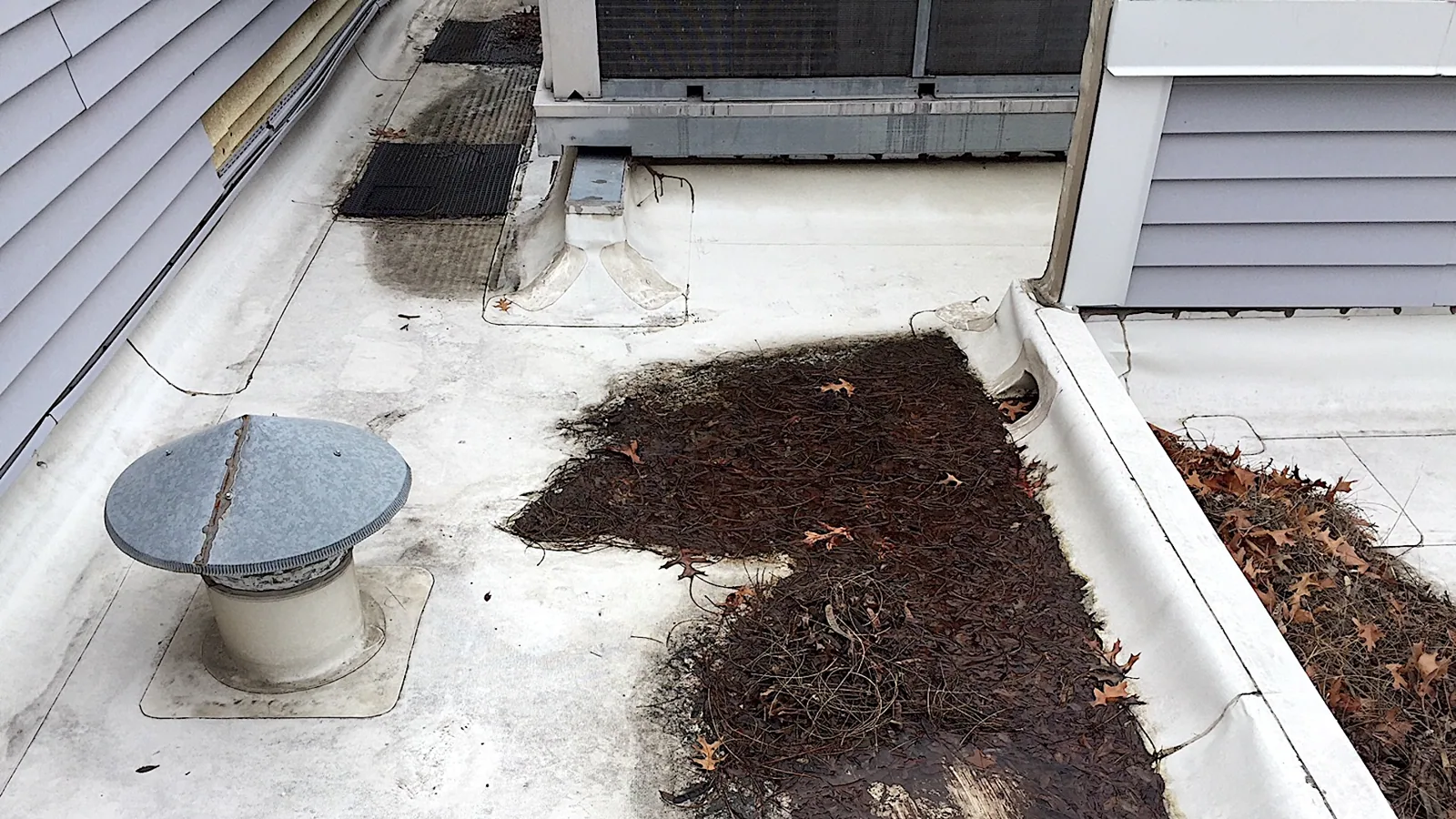
We inspect membrane terminations, edge metal, seams, drains, skylights, and rooftop equipment after winter conditions. Ice movement can expose a loose detail, while water can reach the interior through an existing opening. We compare the report with roof slope and drainage. Photos label each observation and any area blocked by ice or access controls.
Snow accumulation and roof loading must be evaluated for the actual structure. If the facility reports deflection, door binding, ceiling movement, or another structural concern, we document visible roof conditions and refer load assessment to the appropriate structural professional. Roofing work stays within the observed assembly and authorized scope. We identify conditions that need another discipline. Snow and ice response depends on structure, drift patterns, and drainage. If staff report deflection or cracking, we document accessible roof conditions and defer load assessment to structural review. After the owner clears a safe route, we can inspect flashing, gutters, and membrane. The photo log records the visit time, so later thawing does not replace what the crew observed. We list each blocked access point and the reason.
Meridian's winters can include freezing nights. Dry summer conditions do not remove winter drain needs. We ask about the roof's previous service and whether any de-icing equipment or heat trace was installed by others. We inspect the current outlet and surrounding membrane directly. A failed component is photographed and included in the written repair boundary.
Ice can conceal a drain flange or hold water against a parapet. We do not chip or heat a membrane detail without an approved method. The property contact identifies any heat trace, de-icing equipment, or prior winter work. We photograph what remains visible and state which connection must wait until the roof can be examined safely.