Commercial Roof Seam Failure Repair in Meridian, ID

Commercial roof seam failure repair in Meridian, ID checks open laps, membrane condition, moisture, and roof movement before work is approved.

Commercial Roof Seam Failure Repair

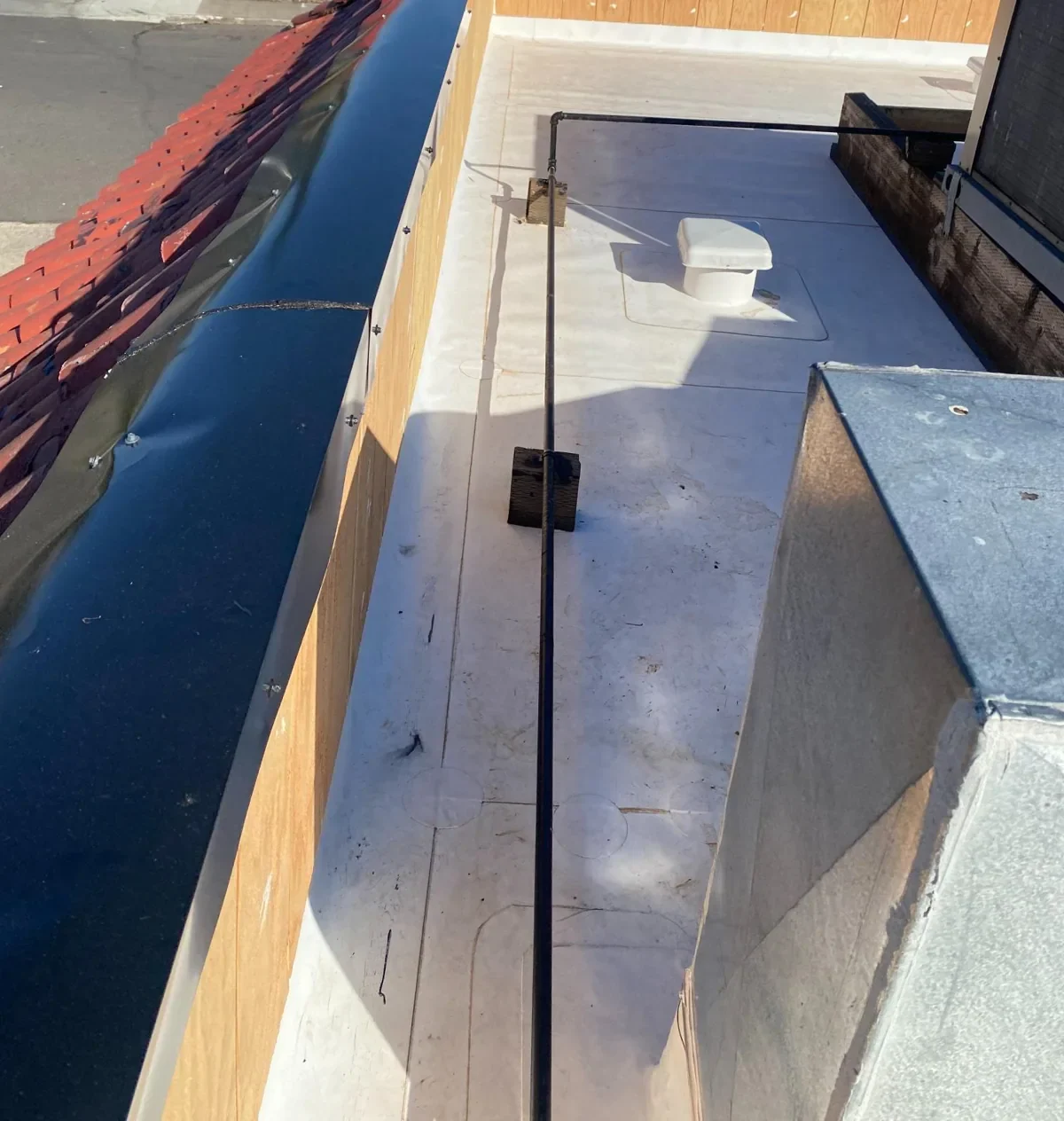
A split lap beside a rooftop unit needs a seam check before more water reaches insulation. We inspect the opening, nearby attachment, curb corners, and drainage path. Send the roof-grid reference, visible lap separation, prior repair record, and a site-access contact. We identify the installed membrane before selecting a repair material. The first report maps the split and any adjacent seam movement.

Identify How the Lap Opened

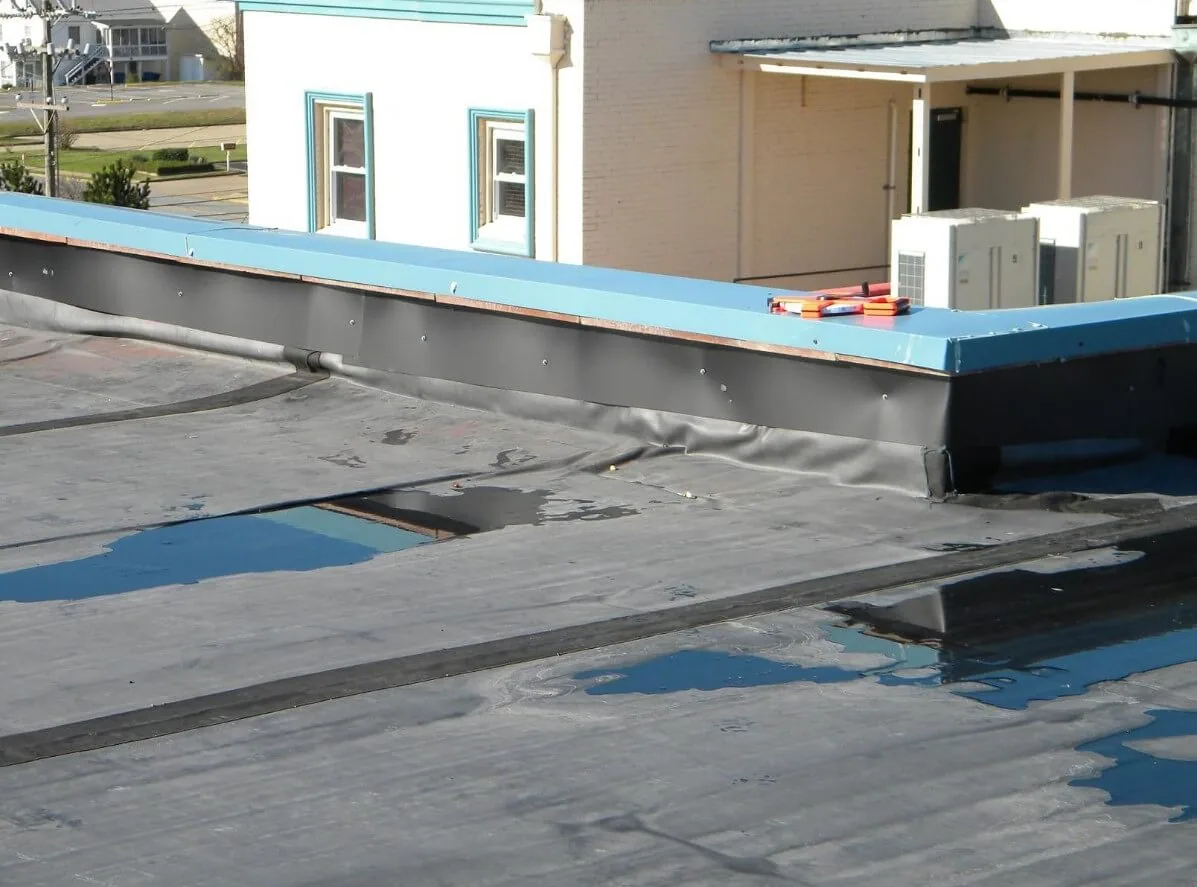
A seam can separate at a field joint, curb, wall return, or repair patch. We look for fishmouths, exposed adhesive, a lifted edge, contamination, and movement at the adjoining sheet. Photos show how far the separation runs and where it meets another detail. We do not assume that the longest visible split is the only source of water entry.

Water can travel along the deck before showing inside. We compare the ceiling mark with the roof slope, drains, penetrations, and transitions. If the membrane has been patched before, the repair history helps identify the material and sequence. We record old work separately from current separation. A test cut may be useful if wet insulation or deck condition remains uncertain.

Ten Mile Crossing and Eagle Road are distinct Meridian commercial settings with different access and delivery patterns. Neither identifies a roof assembly or seam failure. The facility contact gives us the specific property address, roof hatch, and work route. We use local routing details to plan the visit, then inspect the installed roof directly.

Material identification matters at a repaired joint. A thermoplastic sheet, rubber membrane, and modified bitumen do not share one seam procedure. We look for labels, records, and exposed material at an approved point. If identification remains uncertain, the scope states that limit before bonding begins. A trial area may help confirm preparation and adhesion without treating one test as proof across the roof.

Check the Seam and Its Substrate

The inspection checks whether the seam is loose, contaminated, stretched, or separated from the adjacent sheet. We look at fasteners or bonding conditions where visible and inspect transitions at drains, curbs, and parapets. The report notes wet insulation, surface wear, and the repair boundary. If a roof section cannot be accessed, that limit remains visible in the record. A seam that crosses a sheet or turns beside a curb needs two checks: the joint and the field material supporting it. We inspect whether the sheet is tensioned, whether nearby cover board feels firm, and whether equipment traffic may have scored the surface. If the split follows an older repair line, we identify the visible patch and bond edge. Those details change how much material must be removed. They can also determine whether a local reseal is enough or the adjoining panel needs replacement. We state what remains concealed.

Boise Air Terminal normals list a July daily high average of 92.7°F and a December mean low of 25.4°F. These regional figures help plan seasonal access. They do not diagnose a lap. We inspect the installed joint and its bond line directly.

A separated lap gets a visual and hand-tool review of weld width, edge curl, reinforcement, and bond. If those checks leave the leak path uncertain, a limited opening can answer a specific layer question. The property lead approves its location and interior cover. We label the exposed materials and keep the result tied to that sample point.

Commercial Roof Seam Failure Repair in Meridian, ID

Set the Seam Repair Limit

A short seam separation may be repaired if the membrane is cleanable and the adjacent sheet remains stable. We prepare the surface and use compatible seam materials. The scope states the repair length, transitions included, and any area that needs selective removal. If wet insulation is present, we remove only the approved area and record what the opening reveals. Any added removal receives owner approval before the boundary expands.

Long or repeated seam failures can point to broader attachment or material concerns. We compare targeted repair with recover, coating, or replacement after checking moisture, adhesion, drainage, and deck condition. Coating does not rebond an open lap by itself. A recover depends on the base assembly. The recommendation names confirmed defects and any test still needed to establish the extent.

Seam work may involve leak tracing, insulation repair, or a roof assessment. A nearby flashing failure or membrane puncture gets its own limit. We can inspect EPDM seams after confirming the system and repair method.

Commercial Roof Seam Failure Repair in Meridian, ID

Protect the Interior During the Repair

The site contact confirms roof access, lift staging, room entry, and any tenant notice. If the leak is above equipment or stored materials, facilities staff identify what needs cover or relocation. We agree on a temporary barrier before opening the seam. Dispatch records the approval contact and the route for returning to the roof.

Work proceeds only across the approved seam area. We keep outlets clear and secure each open section at the end of the shift. If weather or surface conditions prevent a reliable bond, the crew pauses and reports the reason. The owner receives a new work window and any temporary control required. We do not leave an open seam without a documented closure plan.

When a lap is open, dispatch notes the roof-grid location, active water entry, and any temporary interior measure. The site lead confirms roof access. We schedule permanent bonding after checking the surface condition, the material system, and the weather window. If another contractor must service equipment at the same curb, we coordinate the flashing interface before the repair is closed.

Commercial Roof Seam Failure Repair in Meridian, ID

Verify the Repaired Joint

Closeout photos identify the seam, repair material, prepared surface, and final lap. We note any nearby area outside scope and whether testing confirmed wet layers. The owner can compare the next inspection with the same roof reference. If a repeat leak appears elsewhere, it receives a new location and review.

Maintenance can revisit seams, drains, equipment curbs, and transitions after repairs. A maintenance check can add dated observations. A condition report can connect photos and remaining questions with the roof plan.

For routing near Ten Mile District, dispatch still needs the exact Meridian address, leak location, roof history, and site contact. Add the roof-hatch instruction and any access window. We will set the inspection around the facility's operating schedule.

How do you decide whether an open seam can be repaired?

We inspect the separation, adjacent membrane, attachment, and substrate. A local repair may fit when the surrounding sheet is stable. Moisture or repeated failure can require a broader review.

Can you repair a seam if water is already inside?

We first locate the roof entry and note interior protection needs. A test opening may be proposed if concealed moisture affects the repair boundary. The owner approves any added removal.

What should I provide before a seam inspection?

Send the address, leak location, roof history, membrane type if known, and access contact. Include earlier patch records and recent equipment service near the affected roof area.

Does a coating close a split lap?

Coating is not a substitute for repairing an open joint. We inspect the membrane and prepare the seam using a compatible repair method before considering any broader restoration.

Route the Seam Repair

Send dispatch the Meridian address, active leak location, roof history, membrane type if known, and access contact. Include photos or earlier repair notes so the first inspection can trace the affected lap.

Call 555-555-5555 or fill out the form and we will be in touch.

Got a Leak?

For active leaks, storm damage or other urgent roof problems, call us directly at: 555-555-5555.

ServicesRoof SystemsProperty TypesIndustriesService AreasDamage RepairCapabilitiesManufacturersAboutRequest a Roof Assessment555-555-5555
Call555-555-5555