
Military Hangar and Maintenance Roofing in Meridian, ID

Military hangar roofing near Meridian, ID needs bay-level inspection records, aircraft-clearance controls, and repair scopes set with facility authorities.

Military Hangar and Maintenance Roofing

A drip over a maintenance bay needs its own inspection route. We check roof panels, equipment curbs, gutters, and the door-head line above the report. Dispatch needs the Meridian-area address, affected bay, leak timing, roof records, and facility authority. Aircraft position and service activity control access below. The site representative approves a bay boundary before any lift or material enters the area.

Map the Roof to the Maintenance Bay

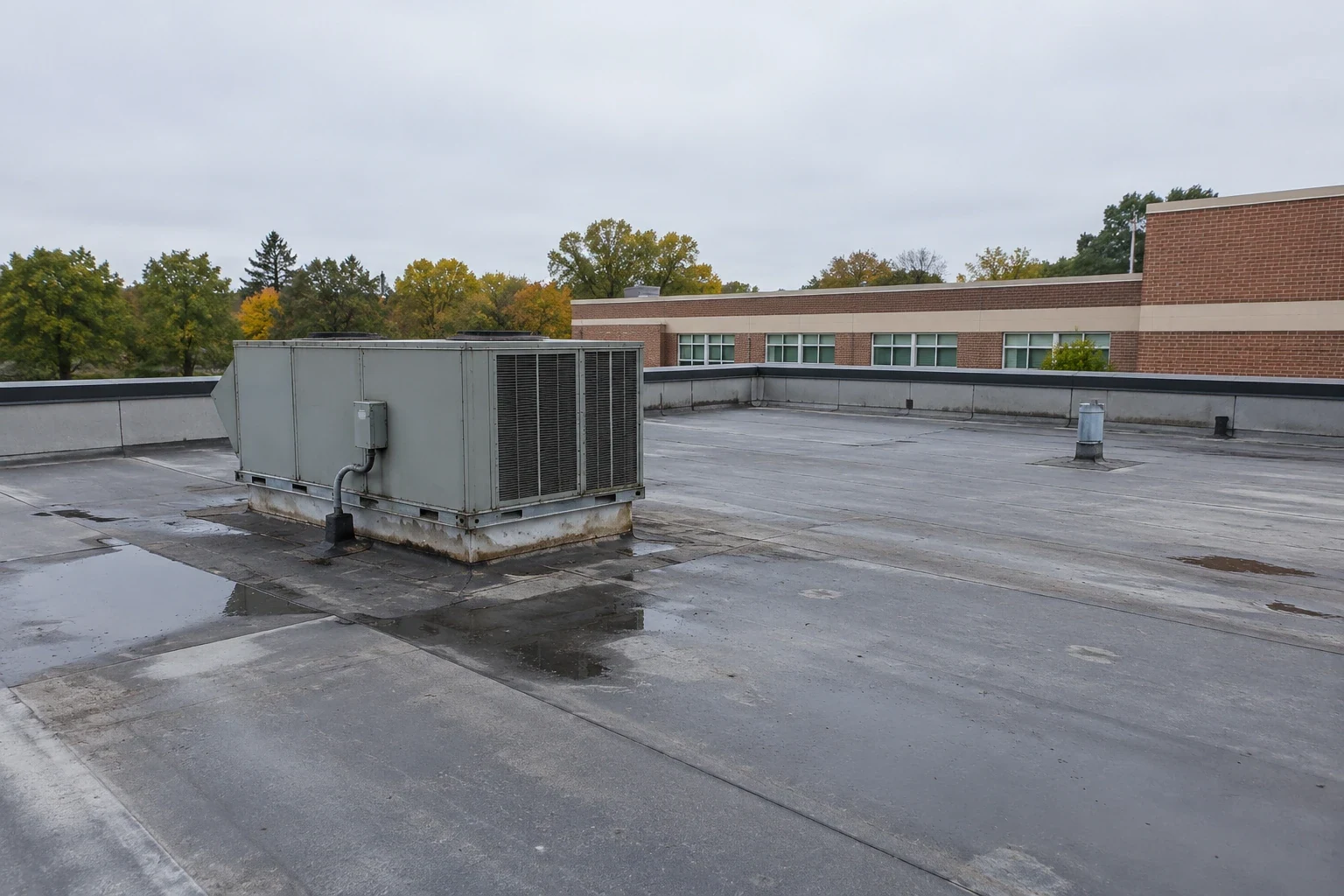
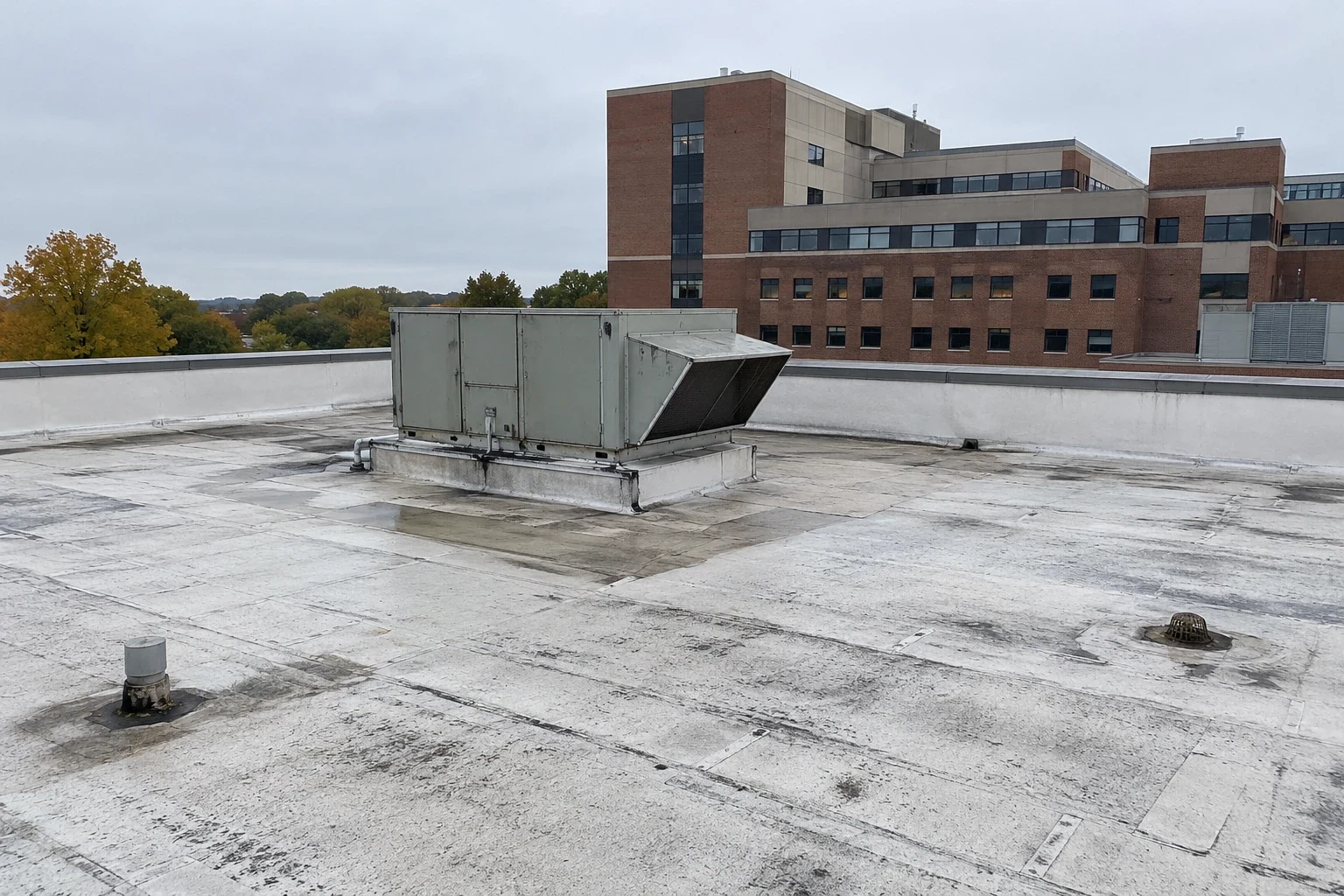
We mark the building grid, reported work area, and roof access point before inspection. The roof may have long metal panels, membrane sections, equipment platforms, gutters, and transitions between additions. We identify each assembly. Photos show the bay, panel seam, support line, curb, or drain associated with the report. The map gives the facility a clear place to compare later findings.

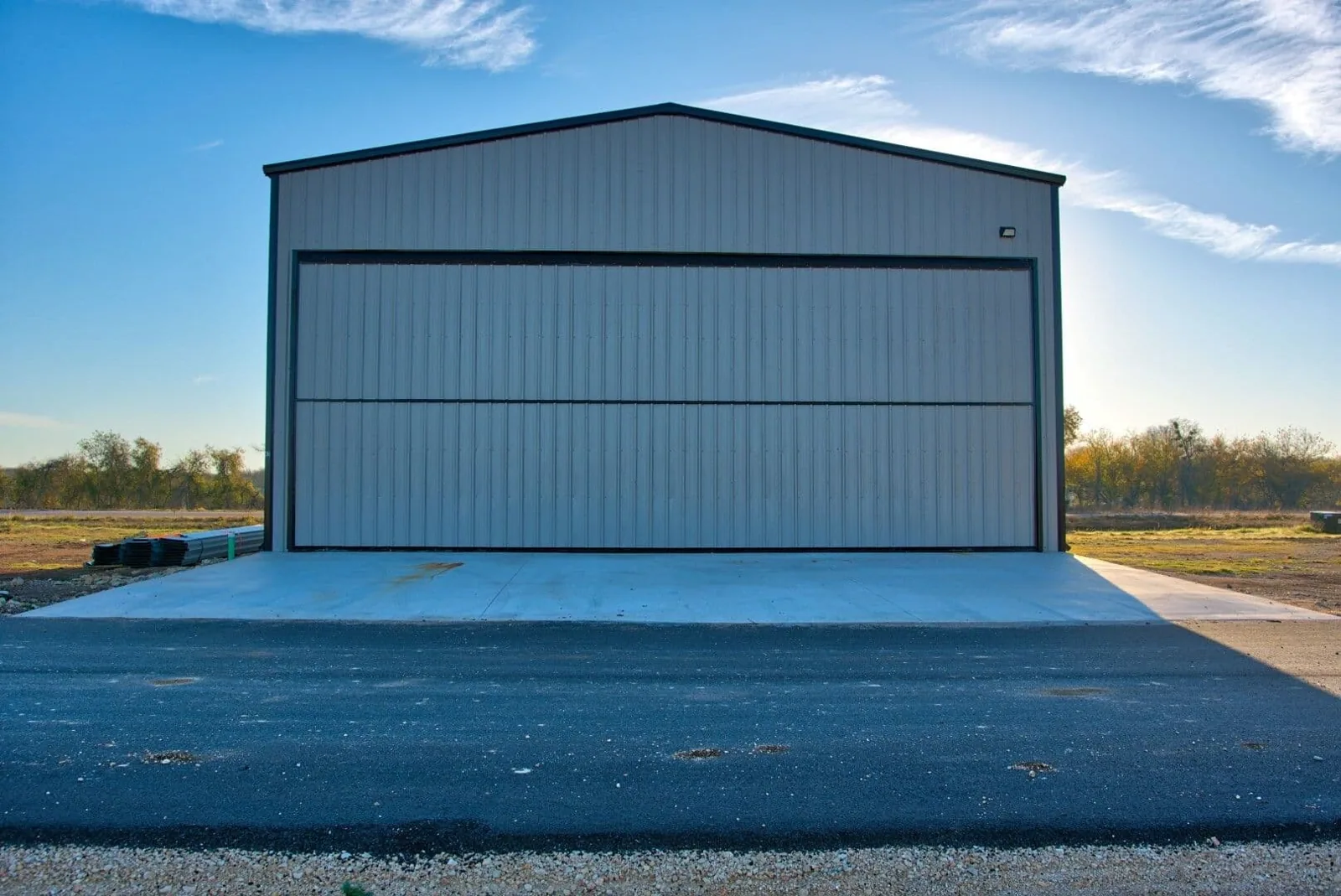
Hangar operations can involve overhead doors, service lanes, parts storage, and aircraft maintenance. We ask which area can be isolated and whether a vehicle or aircraft move is required. We do not set a clearance distance on behalf of the operator. The facility authority identifies its movement limits. Our scope records those limits alongside the roof work, lift position, and protected route.

Gowen Field hosts Idaho Guard aviation and training units, including Army aviation that uses UH-60 helicopters and the Air Guard’s 124th Fighter Wing with A-10 aircraft. Camp Orchard also has maintenance buildings with drive-through bays. These are separate regional facilities with distinct missions. Their presence makes Meridian-area aviation operations relevant context, but the project owner sets the roof's access rules and actual condition.

Find the Entry at the Roof Detail

A door-head drip may start at a panel end, gutter joint, wall flashing, or nearby penetration. We follow the roof slope and inspect the nearest transitions. If a maintenance record shows recent exhaust, lighting, or equipment work, we check that interface and note the timing. We distinguish the visible opening from any route that remains a working theory.

Meridian's regional climate has very dry summers and freezing winter nights. Nearby Boise Air Terminal normals average 0.21 inches of precipitation in July and a 25.4°F daily low in December. We inspect roof discharge and metal movement directly. We inspect panel ends, sealant, and drainage directly for openings, ice damage, and movement. The photo log records actual sealant splits, blocked outlets, panel movement, and ponding.

Thermal review or a test opening can help when the maintenance crew needs confirmation of concealed wet layers or deck condition. We identify the exact panel or membrane location and what the test can show. The facility contact approves work below, aircraft relocation if needed, and temporary controls. We mark the sample, photograph each layer, and close the opening to match the approved repair detail.

Military Hangar and Maintenance Roofing in Meridian, ID

Control Equipment and Crew Movement

The facility representative confirms escort, badging, roof-hatch access, lift staging, and material delivery. We document aircraft or vehicle movement windows and any maintenance activity that must continue. The crew uses the approved path. Parts, tools, and loose fasteners stay outside service lanes and door travel. If work is near a powered door, the operator controls its status and confirms the area is ready.

Work progresses by bay or roof section. We define the stop condition for wind, temperature, or precipitation before opening a seam. Exposed layers receive a temporary close at shift end. Drains and gutters stay clear of debris. Another trade may need a rooftop unit or exhaust route, so we name a point of contact for the handoff. The daily log reports what was secured and what remains pending.

Mountain Home Air Force Base maintains Sagebrush Inn for temporary lodging used by personnel on temporary-duty and permanent-change-of-station orders. That is a lodging fact about the base, not a roof specification for another property. The project owner identifies any applicable criteria. For installation work, the owner confirms any project criteria and required technical reviews before the roofing scope is finalized.

Military Hangar and Maintenance Roofing in Meridian, ID

Choose the Work by Panel and Bay

A loose fastener, open seam, or failed edge can be addressed locally when surrounding metal and supports remain serviceable. We identify panel profile, substrate, and adjacent flashing before selecting a repair. Corrosion, repeated movement, wet insulation, or damaged framing may call for a wider review. The scope names the bay, access controls, and any supporting condition that roofing work cannot resolve by itself.

For broader deterioration, we compare repair, retrofit, coating, and replacement based on panel condition, attachment, drainage, insulation, and support lines. A retrofit may add framing and new edge details. A coating requires a stable substrate and prepared surface. A replacement phase can follow one bay at a time if the facility accepts the temporary close and access plan. We explain which path addresses the observed condition and what needs separate engineering or owner review.

Work may include installation roofing coordination, gutter and edge correction, or a roof condition inspection. We can compare a metal retrofit with replacement after identifying the existing framing. An Air Force facility can have its own owner controls, while a Guard armory has a different operating profile. Each estimate names its own roof and bay.

Military Hangar and Maintenance Roofing in Meridian, ID

Sequence Work with the Operator

The maintenance lead and facilities authority choose the access window. We confirm the bay clearance, escort, lift path, and time needed to secure the roof. If a job affects a flight line or active maintenance route, the operator defines the permitted work boundary. Crew plans can shift when operations change. Dispatch updates the named contact before sending a crew back into a controlled area.

Urgent water control can be separated from permanent repair. The first visit records the leak and any temporary measure the owner approves. The next phase follows roof access, testing, parts availability, and operating restrictions. We do not promise a closure time until the work area and method are confirmed. Timing and cost reflect roof height, panel profile, lift needs, custom edge work, and required escorts.

Near Meridian, Ten Mile Crossing and Eagle Road help with local routing. They do not set military gate procedures. Camp Orchard and Gowen Field also have their own site authorities. The project representative provides the approved check-in point and verifies when the bay is available. That information belongs in dispatch notes and the written work order.

Keep the Bay History Consistent

The closeout identifies the panel or membrane section, repair material, test result, and final boundary. Photos show the repaired detail and any adjacent item outside scope. We note a bay blocked during inspection or a condition requiring separate review. The facility can use that record during later door, equipment, or roof service. It keeps the next inspection tied to a known location.

Maintenance checks can revisit gutters, fasteners, panel ends, door-head flashing, and penetrations disturbed by other work. A planned roof review can record these findings by bay. A condition report can help the owner compare sections when setting future work. The facility approves the return schedule.

What should an operator report for a hangar leak?

Give dispatch the facility address, building grid or bay, leak location, access authority, and roof history. Note aircraft or maintenance activity that affects clearance. A roof plan or prior service record can focus the first inspection.

Can work proceed around active maintenance?

The facility authority chooses the safe bay boundary and work window. We stage only within the approved route and secure each opened section before leaving. Operations control when the crew can return.

Does a metal roof always need full replacement after a leak?

A limited seam or fastener defect may support local repair when nearby panels and supports remain sound. Corrosion, movement, or damaged substrate can change the recommendation. Inspection findings define the limit.

What can a test opening confirm?

A sample can show insulation and deck layers at its marked point. It does not clear an entire roof. We record the location and close it after the facility approves the test plan.

Request a Bay-Specific Inspection

Send dispatch the Meridian-area address, affected bay, active leak location, roof history, and facility access authority. Add clearance and operating windows so the first visit can be planned with the site representative.

Call 555-555-5555 or fill out the form and we will be in touch.

Got a Leak?

For active leaks, storm damage or other urgent roof problems, call us directly at: 555-555-5555.

ServicesRoof SystemsProperty TypesIndustriesService AreasDamage RepairCapabilitiesManufacturersAboutRequest a Roof Assessment555-555-5555
Call555-555-5555