Metal Roof Retrofit in Meridian, ID

Metal roof retrofit in Meridian, ID starts with panel, fastener, and structure checks. We compare repair, retrofit, and replacement options.

Metal Roof Retrofit

A backed-out fastener beside an exposed seam sets the first check. We inspect the existing metal panels, attachment, structure, and water paths before discussing a retrofit in Meridian. Exposed-fastener roofs can develop worn washers, loose screws, corrosion, and failing lap sealant. A retrofit adds a new roof assembly over an existing system only when the substrate and design allow it. The first visit documents current conditions and access limits. Send the address, leak location, roof history, and site contact so dispatch can set the inspection window.

Check the Existing Roof First

We map panel laps, fastener rows, ridge and eave details, wall transitions, curbs, and penetrations. A washer may appear compressed or split, while a fastener can lose grip in a deteriorated purlin. Rust at a cut edge or around an opening needs a direct look at the metal and supporting structure. We check panel deflection, loose trim, and water stains inside. The photo log identifies each area, not just the most visible leak.

A retrofit depends on more than the panel surface. We need to understand the support condition, existing layers, drainage, roof height, and anticipated attachment. If water reached insulation or the deck, we map the affected area. Test cuts can show hidden layers and help confirm whether the base roof can remain. Structural review may be needed for the proposed assembly and added loads. We identify that requirement before treating a retrofit as a ready option.

Meridian summers are hot and dry. The nearby Boise Air Terminal station records roughly nine days each year at or above 100°F. That regional proxy frames heat review, while we inspect actual fasteners and panel edges at the building. Winter drainage also matters. January precipitation averages 1.41 inches at the nearby Boise Air Terminal normals. Roof slope, gutters, and discharge points must be checked at the building.

Find What Keeps Admitting Water

Leak paths at exposed-fastener metal often begin at penetrations, laps, closures, or fasteners. We compare the interior location with the roof slope and look uphill for a likely entry point. A worn washer can admit water at a screw, while failed lap sealant can let water track along a panel. Ridge caps, gutters, end walls, and curb corners need separate checks. A stain below a purlin does not establish which detail failed.

We inspect the full drainage path. Debris can collect at valleys or gutters, and a blocked outlet can push water toward a seam. The roof report notes drain and overflow conditions, panel shape, and any visible corrosion. If the interior shows wet insulation or deck damage, a surface repair alone will not close the scope. We use targeted testing when the visual inspection cannot establish the extent.

A retrofit can conceal existing conditions if the base roof is not assessed first. We identify loose panels, wet areas, and unstable attachment before designing a new assembly. When testing reveals extensive deterioration, removal may be safer to evaluate than covering the original roof. The owner receives a map of confirmed defects and any remaining unknown areas. That distinction lets the facility team compare a retrofit with repair or replacement.

Metal Roof Retrofit in Meridian, ID

Compare Retrofit with Other Paths

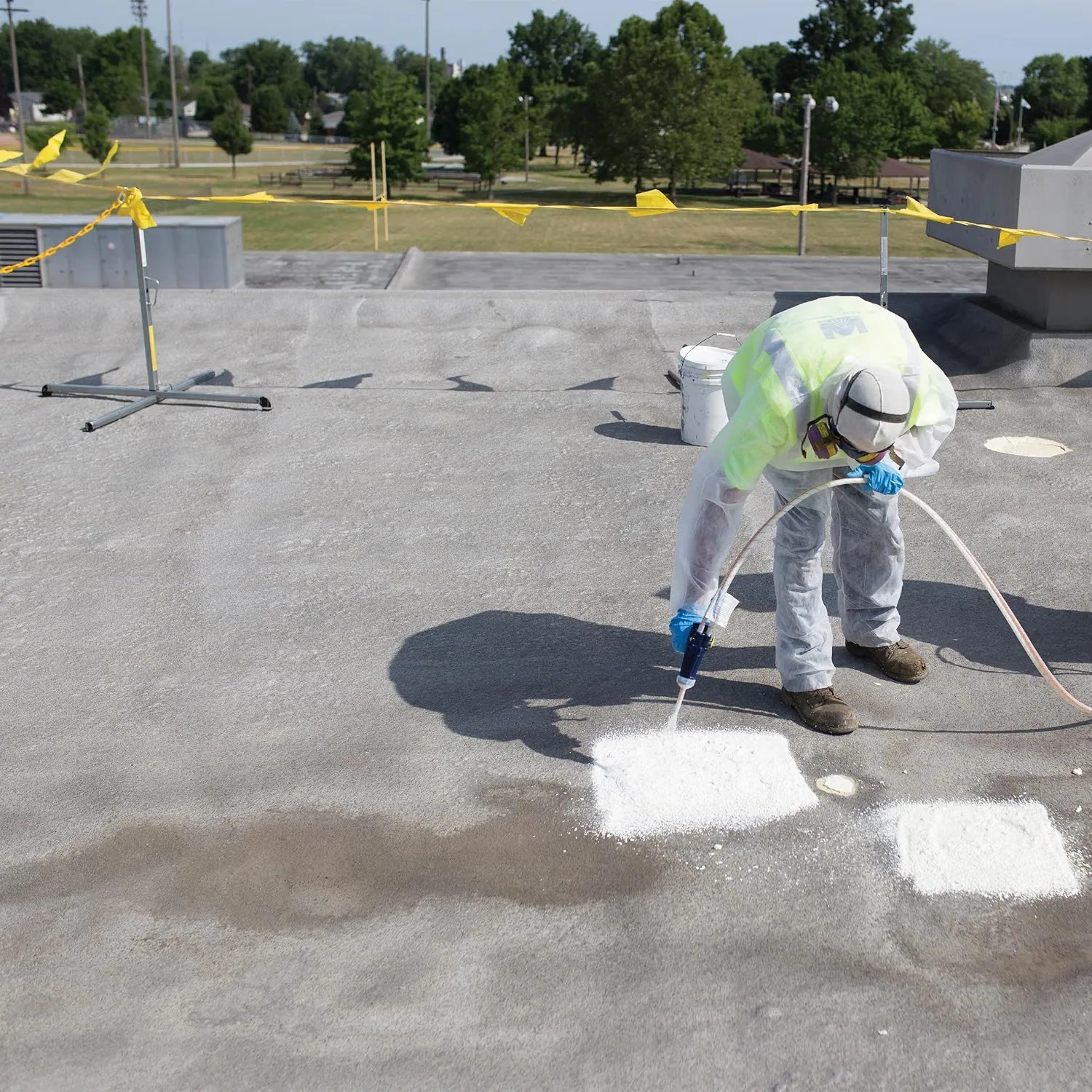
Localized repair may fit when damage is limited and the panel support remains sound. We can replace fasteners or washers, repair compatible flashing, and correct a defined leak route. A coating may be considered for a suitable metal surface after preparation, but it cannot secure weak attachment or address structural concerns. The condition of the substrate sets the limit for restoration.

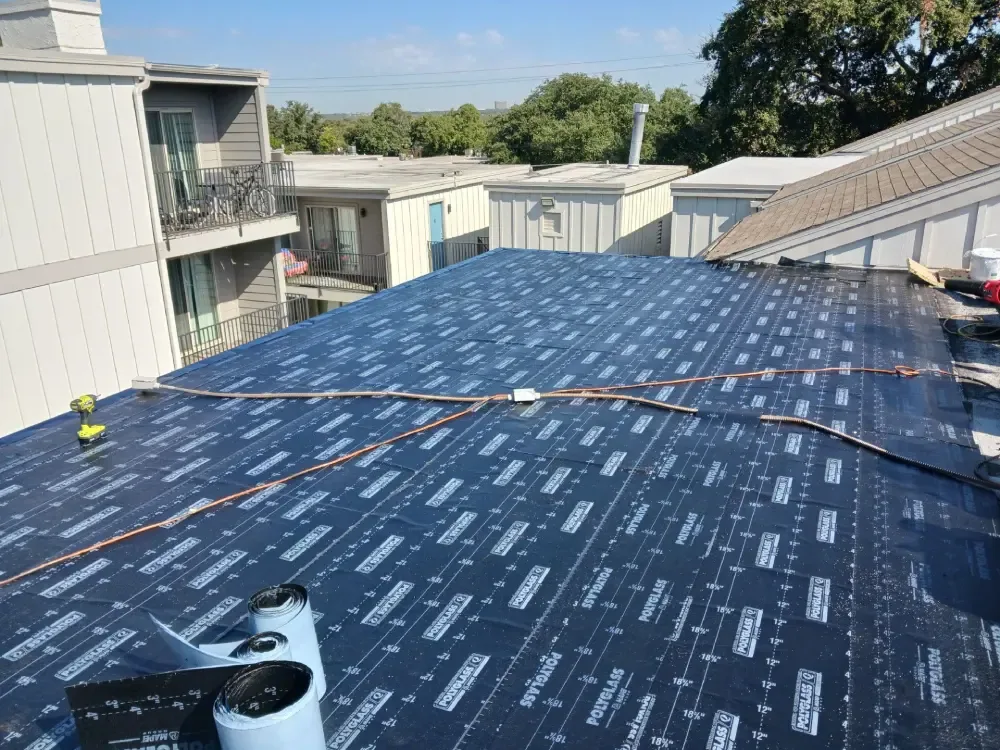
A retrofit can add insulation, improve drainage transitions, and create a new roofing layer without full removal. The design must account for panel ribs, clip or framing layout, roof edge height, penetrations, equipment supports, and added load. We document where new supports and transitions would land. A retrofit plan should also explain how it handles existing moisture and how the completed roof drains.

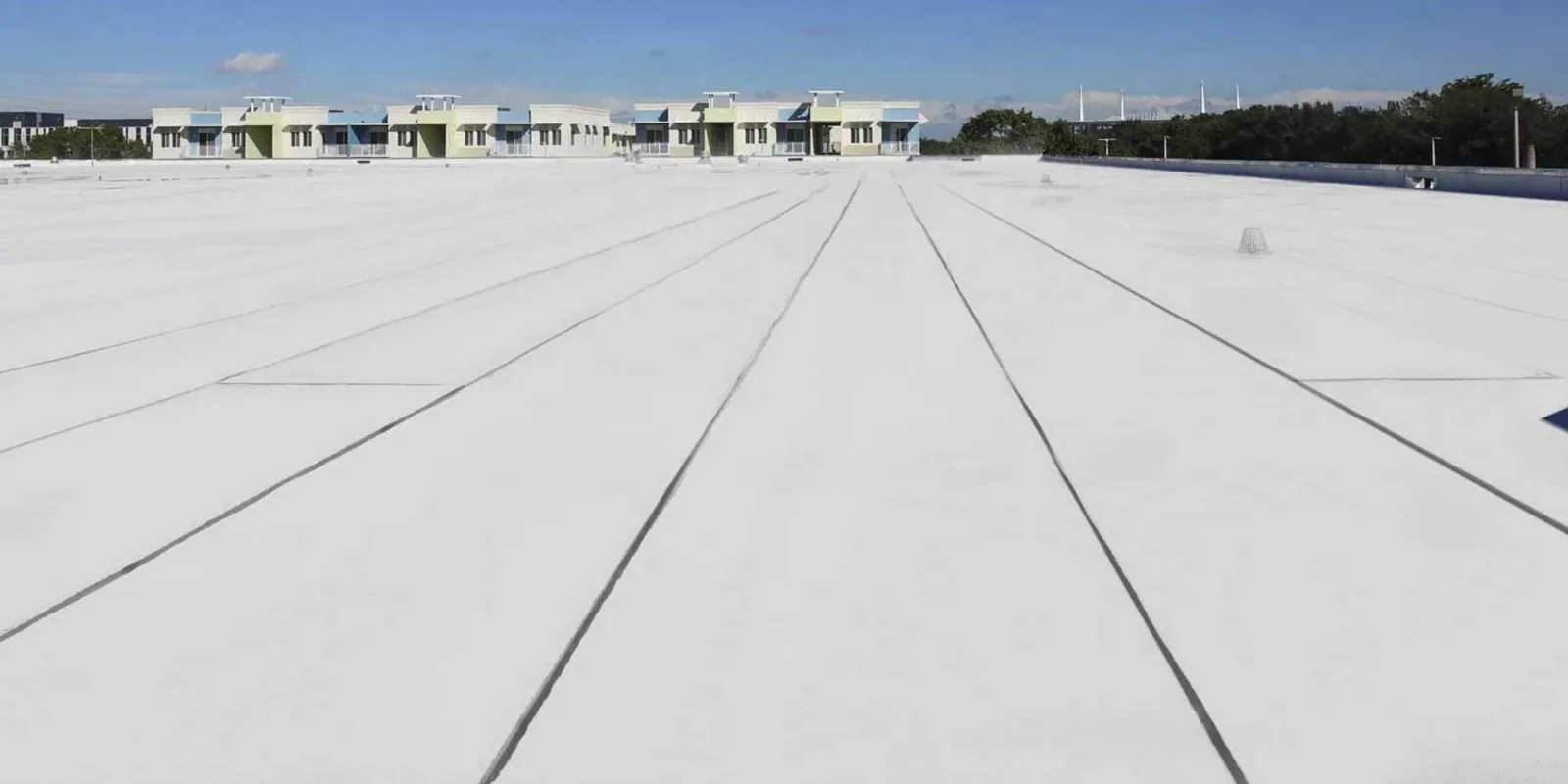
Some roofs need replacement because corrosion or structural concerns extend through the base assembly. We compare the evidence and work limits before selecting a path. A restoration review can test whether the exposed metal remains suitable for coating. Replacement planning addresses removal and a new assembly. A standing seam system can be compared with single-ply roofing when roof use and drainage permit.

Metal Roof Retrofit in Meridian, ID

Plan the Retrofit Work

Retrofit work may require cranes, lifts, staged materials, and coordination with occupants. We confirm building access, staging area, fall protection, and routes around active equipment. The roof hatch and any interior access points need an assigned contact. A warehouse near I-84 may need delivery coordination around freight activity. The work schedule can also account for tenant entrances and the operation of rooftop units.

Before a roof section opens, we define temporary weather protection and the expected daily boundary. The scope identifies how old penetrations, curbs, and roof edges will transition to the new assembly. Mechanical work may need to move or raise equipment, so we coordinate sequencing with the owner and other trades. Dispatch notes show the contact for access decisions and the window for noisy or disruptive work.

Emergency response remains available around the clock, including holidays. A first visit can document active leakage and recommend temporary protection while a retrofit is evaluated. Permanent work depends on design, structural review, material availability, weather, and access. Cost varies with insulation depth, support framing, edge modifications, drain changes, and the number of penetrations. We separate inspection, testing, and construction scopes so each decision has a clear basis.

Metal Roof Retrofit in Meridian, ID

Keep the Base Roof on Record

Retrofit records should show the original condition, test locations, installed layers, and completed transitions. We photograph edge details, penetrations, drains, and new support lines. A future inspection can compare the new assembly with the installation record. The facility team can also track which sections received repair, retrofit, or full replacement.

Maintenance after retrofit still includes drains, edge metal, equipment supports, and service penetrations. Rooftop trades should preserve walkway and service access. We can return to inspect fasteners, flashings, and drainage after mechanical work. A documented condition review helps identify a change before it becomes an interior leak.

For multiple properties, capital planning can compare immediate repair needs with future replacement windows. Meridian buildings near Eagle Road may have different traffic and lift access than a facility near downtown. We assess the building itself and set priorities from condition, operating impact, and work scope.

What must be true before a metal roof can be retrofitted?

The base roof needs suitable attachment and support, with moisture and structural conditions understood. We inspect panels, drainage, edges, and penetrations. Testing or engineering review may be needed before design.

Can a retrofit go over wet insulation?

Wet insulation needs a defined response before it is covered. We map suspect areas and use testing where needed. The assembly design must address confirmed moisture rather than conceal it.

Will a retrofit stop leaks at old fasteners?

A new assembly can change the roof surface, but existing damage still needs evaluation. We check the base panels and structure, then define how the proposed system handles old fasteners and transitions.

How long does retrofit planning take?

The schedule depends on testing, structural review, design, access, and material selection. We can document immediate leak conditions first, then identify the information needed for a construction scope.

Review the Existing Metal Roof

Send the Meridian address, active leak location, roof history, and access contact. We will inspect the base roof and compare repair, retrofit, and replacement paths.

Call 555-555-5555 or fill out the form and we will be in touch.

Got a Leak?

For active leaks, storm damage or other urgent roof problems, call us directly at: 555-555-5555.

ServicesRoof SystemsProperty TypesIndustriesService AreasDamage RepairCapabilitiesManufacturersAboutRequest a Roof Assessment555-555-5555
Call555-555-5555