

National Guard Armory Roofing in Meridian, ID

National Guard armory roofing in Meridian, ID calls for controlled roof access, bay-specific findings, and work plans that respect readiness activity.

National Guard Armory Roofing

A drip near a vehicle bay can interrupt an armory workday. We inspect the roof above the report, then check drains, seams, penetrations, and edge details. Dispatch needs the Meridian-area address, affected bay, active leak location, roof history, and facility contact. The unit representative confirms access, escort, and training windows. We set the initial work boundary with that person before bringing tools or a lift on site.

Sort the Report by Building Use

An armory may include offices, readiness rooms, storage, vehicle areas, or training space. Each use changes the path to the roof and the controls below it. We ask where water appeared, when staff first saw it, and what activity must continue. The report identifies an interior location and roof zone. It does not assume that a nearby seam caused the mark.

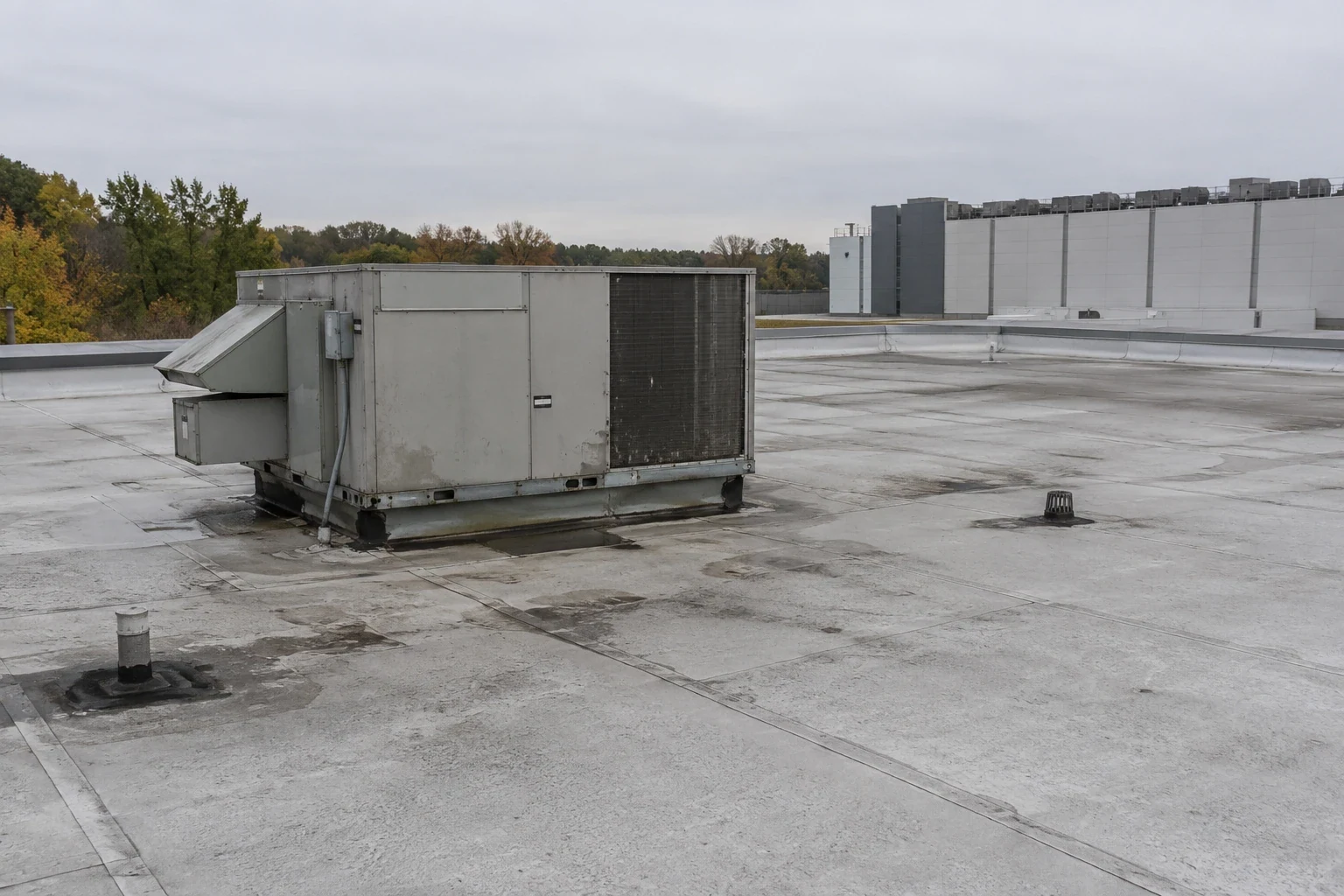
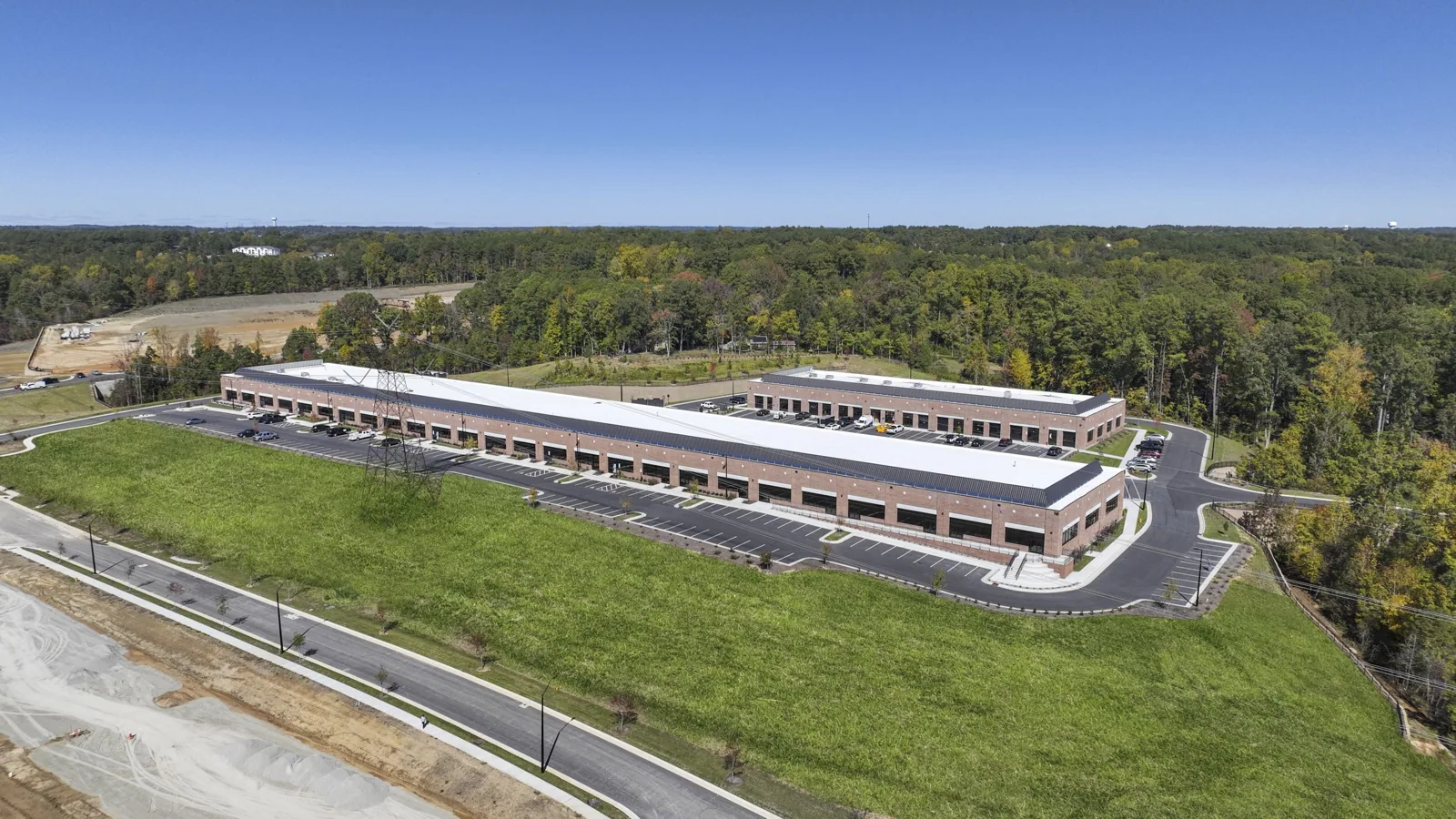
We compare the roof plan with visible details: membrane laps, metal fasteners, curb corners, wall transitions, and outlet points. A long building may have more than one drainage route. We mark each outlet and note ponding, debris, or an obstruction at the actual roof. If a vehicle bay sits below the work area, the unit contact identifies clearance, parking, and any equipment that cannot move.

Camp Orchard supports Idaho Guard and Army Reserve training. Its readiness center has operations and company buildings, maintenance sheds, and barracks. The site illustrates a mix of uses. We confirm the facility function and access rules for the armory under inspection.

Record the Roof Before Testing

The first inspection documents the assembly and visible condition. We photograph the affected detail, adjacent roof field, drains, and any mechanical service route. If recent work altered an exhaust, curb, or penetration, the date and contractor can help focus the review. We keep those records separate from observed conditions. A work order then identifies what was inspected and what remains inaccessible.

Meridian's summers are hot and dry, while winter nights can freeze. Nearby Boise Air Terminal normals show about nine days a year at or above 100°F. Heat can make aged sealant and exposed components worth a closer look, but the roof itself must show wear before we define repair. Winter review checks drains and overflow paths for actual blockage, ponding, or damage. We check the building's exposed membrane, sealant, drains, and overflow paths directly.

If concealed moisture remains in question, infrared review or a test cut may help. The proposed test has a location and a defined purpose. A cut reveals the layers at that point, including insulation and deck. We map the opening, photograph the materials, and restore it after inspection. The facility contact approves protection below and any temporary exclusion zone before testing begins.

National Guard Armory Roofing in Meridian, ID

Protect Readiness Routes

The facility contact confirms check-in, escort, roof-hatch access, staging, and delivery. We note vehicle routes, emergency exits, and any activity that cannot be blocked. A lift may need a separate position from material storage. We record the approved route and work hours in dispatch notes. If training or equipment movement changes the window, the unit representative can update the plan before mobilization.

We divide work by roof bay where practical. Each open section gets a weather closure before the crew leaves. Tools and loose material are removed from drains and vehicle paths. If a second trade services rooftop equipment, we agree on access and the flashing handoff. The crew reports the end-of-shift condition to the named contact. That gives the facility a clear status without assuming another shift can enter.

Camp Orchard's logistics facilities include a railhead, vehicle wash area, weapons-cleaning facility, warehouses, and maintenance buildings with drive-through bays. Those are confirmed site features at Camp Orchard, not a claim about every armory. They illustrate why access routes and vehicle movement should be documented at the project address. A Fields Subarea facility in Meridian has its own local routing and site controls.

National Guard Armory Roofing in Meridian, ID

Choose a Repair Limit That Holds

For a puncture or displaced edge, we first check whether adjacent fasteners, laps, and substrate still hold. The work order then specifies the repair materials and bay limit. Concealed moisture or damaged deck can change the plan. We note that possibility before opening the roof and request approval for any added removal.

If several sections show deterioration, we compare targeted repair with recover, coating, retrofit, or replacement. Moisture, attachment, drainage, deck condition, and system compatibility guide that choice. A coating is not a substitute for correcting wet layers. A metal retrofit may change edges, supports, and panel terminations. The scope separates immediate water control from any larger project that needs design or owner review.

Armory work can include military-site roof coordination, urgent leak control, or photo records for a claim. We can assess modified bitumen after confirming the installed system. A barracks roof may require a different resident access plan, while a maintenance facility can have aircraft-clearance limits. Scope follows the building, not the label.

National Guard Armory Roofing in Meridian, ID

Close the Work with a Bay Record

The closeout notes the roof section, repair product, test location, and final condition. Photos show the repaired detail and nearby roof field. We list any area that could not be inspected and any follow-up question still open. Facility staff can use the same bay reference for a later leak report. The record gives the next maintenance lead a usable starting point.

A maintenance route can revisit drains, seams, fasteners, and curb details before seasonal activity changes. A planned roof check can record new conditions by building. A condition report can separate urgent repairs from work that belongs in a future budget. We tie each finding to the approved scope and date.

Dispatch can set a visit near Ten Mile Crossing only when the installation authority provides access. Meridian's Eagle Road and I-84 corridors help with local routing, but they do not establish an entry route to a controlled site. For a roof near Ten Mile, the contact still confirms the gate, escort, and staging area. Send those instructions with the leak report.

Which armory details help define the first visit?

Name the building, affected bay or room, roof access point, and facility contact. Include vehicle movement, escort rules, and any training window that limits access. Earlier repair records can narrow the inspection route.

Can you inspect above an active vehicle area?

The unit representative approves any bay restriction and vehicle relocation. We can plan a roof inspection around the cleared area and record any zone that remains unavailable. The access plan governs the visit.

When would a test cut be useful?

A test opening can confirm insulation or deck condition where visible evidence leaves a specific question. We map the point, coordinate protection below, and restore the opening after documenting the layers.

Does Camp Orchard use the same roof plan as a Meridian armory?

No. Camp Orchard has its own readiness, logistics, and maintenance facilities. We inspect the project building and follow its owner-approved access and scope requirements.

Send the Armory Work Details

Give dispatch the Meridian-area address, active leak location, roof history, bay or room, and facility access contact. Add escort instructions and the next readiness window so the first inspection can be routed correctly.

Call 555-555-5555 or fill out the form and we will be in touch.

Got a Leak?

For active leaks, storm damage or other urgent roof problems, call us directly at: 555-555-5555.

ServicesRoof SystemsProperty TypesIndustriesService AreasDamage RepairCapabilitiesManufacturersAboutRequest a Roof Assessment555-555-5555
Call555-555-5555