
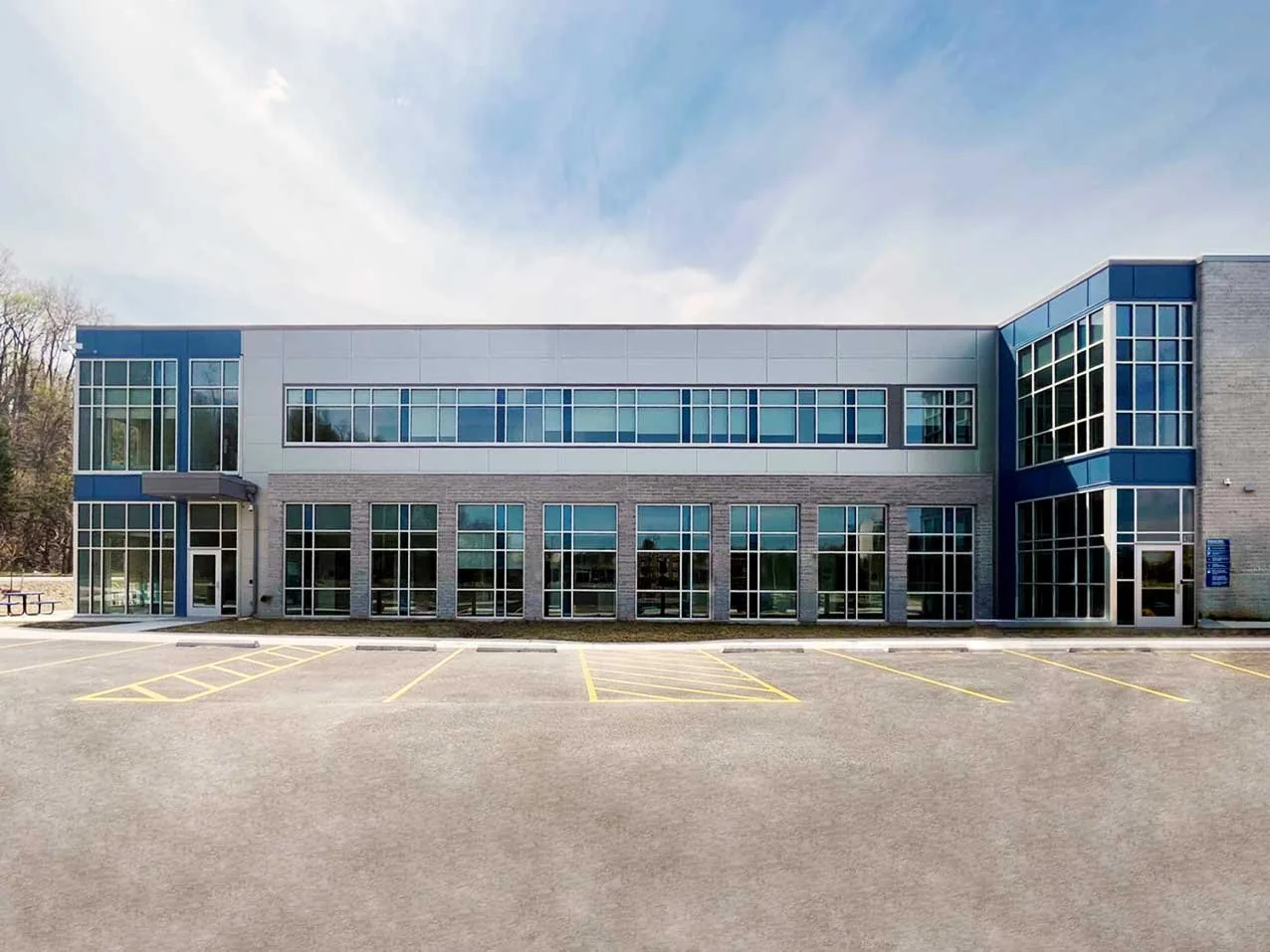
Military Barracks Roofing in Meridian, ID

Military barracks roofing near Meridian, ID needs room-level leak records, resident controls, and a safe sequence for occupied housing repairs.

Military Barracks Roofing

A damp ceiling above a sleeping room needs a measured first visit. We inspect the roof zone, nearby drains, seams, and penetrations. Dispatch needs the Meridian-area address, building and room, leak timing, recent roof history, and housing contact. Resident schedules and controlled entry affect the work window. We agree on the room safeguards and roof route with the facility representative before a crew arrives.

Coordinate Resident Entry and Roof Access

The housing contact confirms check-in, escort, roof-hatch procedure, and hours for interior access. We record any quiet periods, occupancy restrictions, and rooms that need advance notice. A dormitory corridor may remain active while a single room is protected. The facility decides who can approve temporary closures. We keep the crew route and resident route separate where the building layout permits.

Before staging, we identify the approved lift area, loading route, and emergency exits. Materials cannot block a door or stair path. If another trade needs rooftop equipment, dispatch records the handoff contact and service window. At shift end, the roof is secured and interior controls are removed only after the building representative accepts the area. The work log identifies any room that remains restricted.

Camp Orchard's Organizational Readiness Training Center includes soldier barracks with capacity for hundreds of personnel, alongside operations and company buildings and maintenance sheds. That provides a regional example of mixed readiness uses. The local housing contact confirms room assignments, building hours, and access requirements before we plan the repair.

Connect Room Reports to Roof Sections

We mark the reported room on a plan or staff sketch, then compare it with the roof above. The check covers seams, wall flashings, penetrations, drains, skylights, and edge details. A stain can sit away from the entry route. We photograph likely paths and separate those observations from confirmed defects. If access is not approved, the report states which part of the route remains unverified.

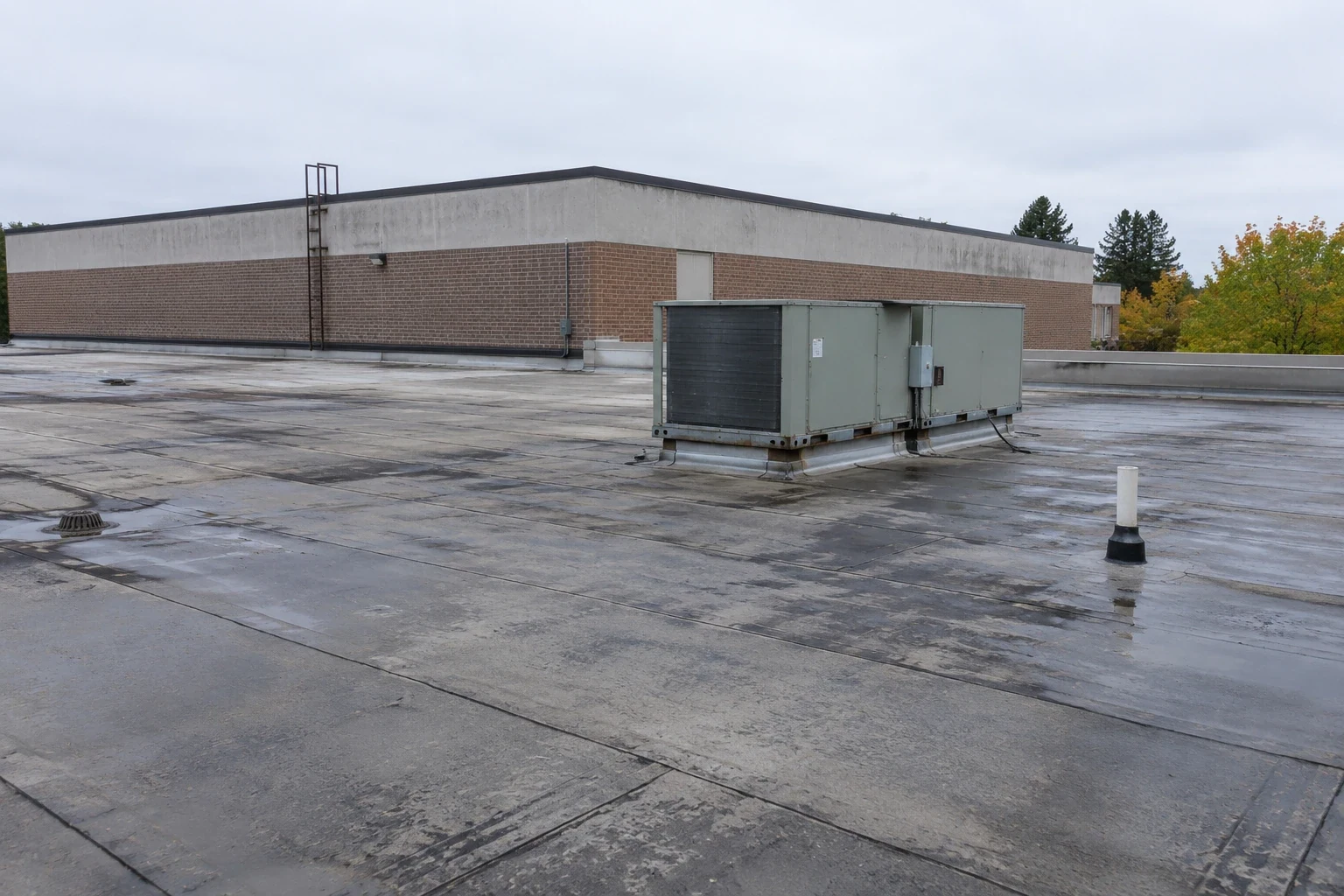
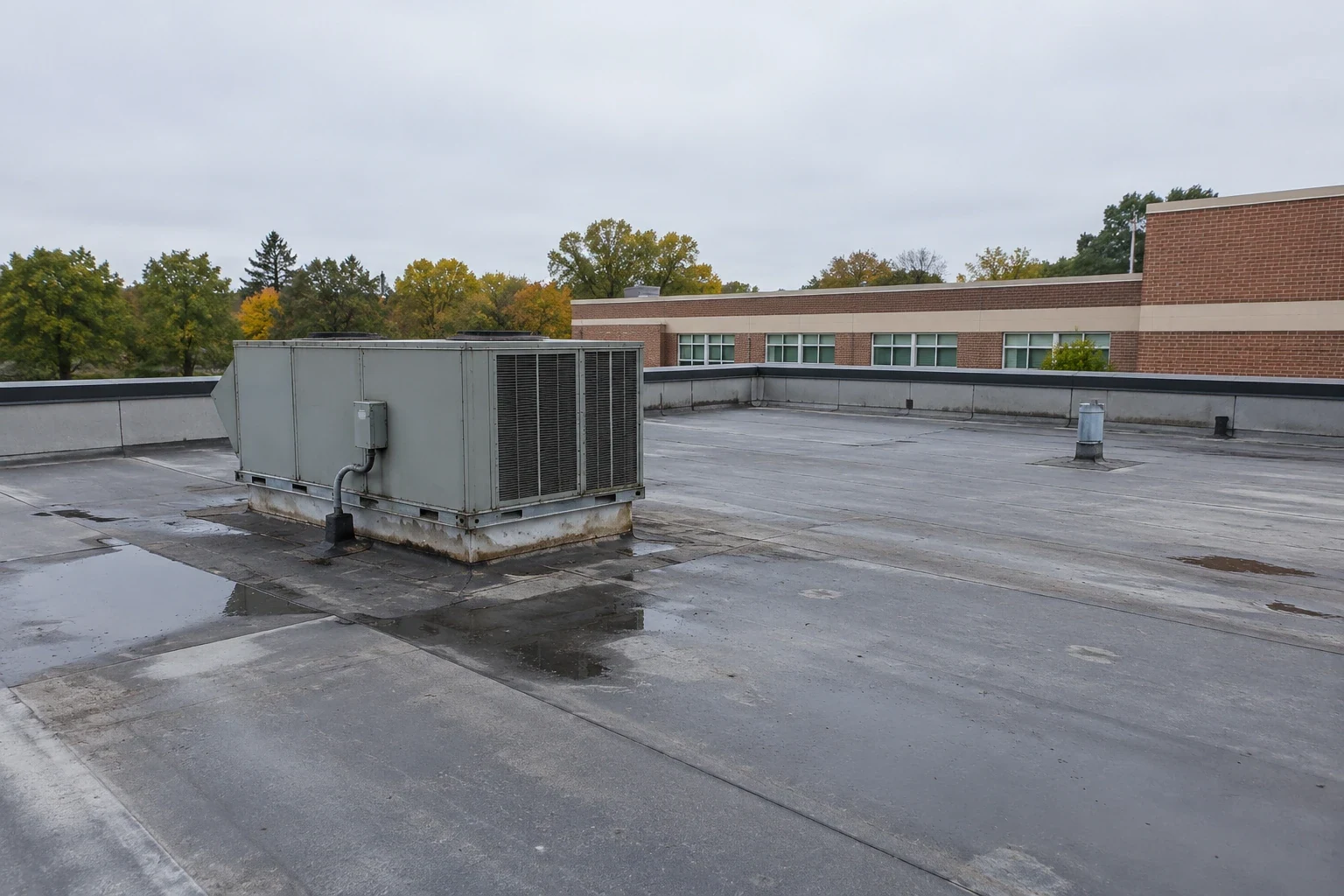
Barracks roofs may connect several wings or additions. A low-slope section can drain toward an interior bowl, while a sloped connector sheds water toward an edge. We identify the assembly at each transition rather than treating the entire building as one surface. Staff can report earlier ceiling repairs or room changes. That history can help locate hidden access points without replacing inspection.

Meridian has dry summer months and freezing winter nights. Boise Air Terminal, a nearby regional reference, averages 0.17 inches of precipitation in August. Its December daily low averages 25.4°F, a regional reference from Boise Air Terminal. We inspect the actual roof for heat wear, open sealant, blocked outlets, and water held at low points. Seasonal context helps set the checklist. It does not substitute for roof evidence at the barracks.

Military Barracks Roofing in Meridian, ID

Check the Route Before Opening a Room

Water can travel along a deck or insulation before reaching a sleeping room. We check uphill from the stain and trace likely paths across the roof plan. Drain bowls, overflow routes, seam edges, pipe penetrations, and parapet corners each get a location in the photo log. Staff can note whether the mark changes after rain or equipment service. We use that timing to focus the inspection.

Infrared readings may help distinguish a dry surface from a concealed moisture pattern when conditions support the method. A test cut can show the insulation and deck at one selected point. The housing contact approves the test area and the room protection plan. We label the sample, record the layers, and restore the opening. A single sample describes its location only; broader removal needs additional evidence and authorization.

If wet insulation is confirmed, leaving it enclosed can preserve the source of recurring stains and limit future repair options. The report identifies the affected area and any adjacent zone that still needs review. We do not extend a room repair to an entire roof without evidence. That keeps resident disruption linked to the documented condition.

Military Barracks Roofing in Meridian, ID

Separate Room Protection from Roof Scope

A failed seam or small puncture can be repaired locally when surrounding material remains stable. We identify the membrane, prepare sound substrate, and restore the detail with compatible components. If moisture reaches insulation or deck, selective removal may be required. The scope names the roof bay, room below, temporary protection, and daily closure. Housing staff can review the boundary before work begins.

When defects recur across wings, we compare repair with recover, restoration, or replacement. Moisture readings, attachment, outlet performance, deck condition, and transitions inform the choice. A coating only works on a dry, compatible surface. Work can proceed by building section, but every open area needs a planned close and a resident notice. Timing reflects access, material handling, and the number of occupied rooms affected.

A barracks project may involve occupied-building sequencing, drain repairs, or room-level leak tracing. We can review TPO membrane details after confirming the existing assembly. A readiness center has different access needs, while a care facility may require patient-area controls. The proposed scope should name the facility's operating contact and the approved sequence.

Military Barracks Roofing in Meridian, ID

Leave Housing Staff a Clear Closeout

Closeout photos identify the roof area, room reference, repair material, and boundary. The record lists any test results and any room or roof area that could not be reached. Staff can match a future report to the same wing and date. A new stain still needs its own inspection. The log preserves the conditions observed during this repair and any action left open.

Seasonal maintenance can revisit drain paths, edge metal, curb corners, and repaired seams. A planned maintenance visit can fit a facility calendar. A written roof condition record can help compare buildings or prioritize work without blending separate room histories.

Gowen Field and Camp Orchard serve different training and readiness functions in the region. Work there follows the controlling facility's access requirements. For local routing, a building near Downtown Meridian has its own delivery and check-in conditions. Dispatch still needs the exact address, room report, roof history, and housing contact to set the first visit.

How should staff report a leak over an occupied room?

Give dispatch the building, room, visible symptom, timing, and housing contact. Note resident access restrictions and whether temporary protection is already in place. The roof history helps direct the first inspection.

Can a repair be completed without moving residents?

The housing representative decides room access and any temporary move. Roof work can be phased by bay when conditions allow, with protection below and a secure end-of-shift closure.

What makes a test cut necessary?

A test opening is useful when concealed moisture or deck condition remains uncertain. We identify the question, mark a sample point, coordinate room protection, and restore the opening after recording the layers.

Could a roof stain come from a different section?

Yes. Water can move before it appears indoors. We compare the room location with drainage, transitions, and roof details, then label confirmed and unconfirmed paths separately.

Set a Resident-Aware Inspection

Send the Meridian-area address, room and building, active leak location, roof history, and housing contact. Add access hours, escort rules, and any resident protection needs so dispatch can plan the right first visit.

Call 555-555-5555 or fill out the form and we will be in touch.

Got a Leak?

For active leaks, storm damage or other urgent roof problems, call us directly at: 555-555-5555.

ServicesRoof SystemsProperty TypesIndustriesService AreasDamage RepairCapabilitiesManufacturersAboutRequest a Roof Assessment555-555-5555
Call555-555-5555