
Commercial Roofing in the Fields Subarea, Meridian, ID

Commercial roof inspections and repair planning in Meridian’s Fields Subarea, with access considerations for mixed-use and industrial employment areas.

Fields Subarea

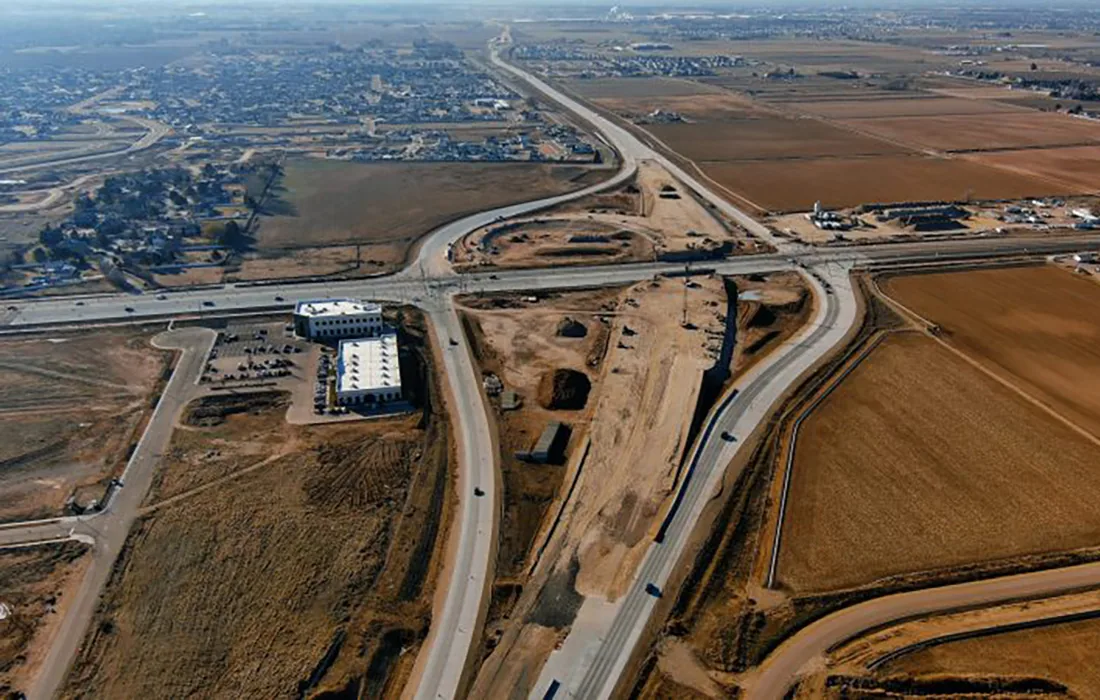
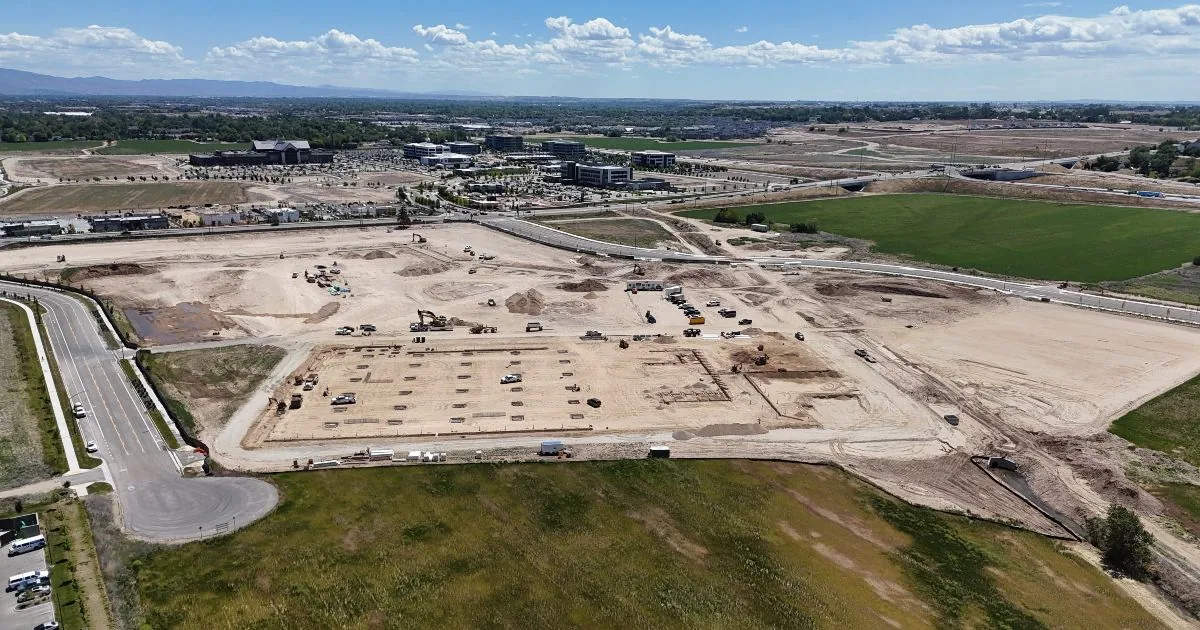
A seam opening near a rooftop unit needs a roof-zone check before repair. We inspect the curb corner, membrane, drain path, and interior report. The Fields Subarea is bounded by Ustick Road, McDermott Road, Chinden Boulevard, and Can-Ada Road. Its plan includes a central mixed-use activity center with retail, services, offices, civic uses, parks, and schools. Industrial employment areas are also designated. The City Council adopted the plan on December 21, 2021. Dispatch needs the specific Meridian property address and access contact.

Those planned uses do not describe every building or roof. We identify the actual assembly and operating limits before staging work. Meridian has hot summer exposure and winter freezing conditions. We check the membrane, flashing, and drainage directly. A roof inspection establishes what is visible and what needs more testing.

Use the Roof Plan and Site Contact

The four plan boundaries provide orientation across a broad subarea. Ustick Road, McDermott Road, Chinden Boulevard, and Can-Ada Road do not tell us which entrance serves a particular building. The property representative confirms the address, loading route, roof hatch, escort, and work hours. If the operation below needs protection, we identify that room before opening any layer. A map reference helps locate the property; it does not replace building-level access instructions.

We check field seams, drain bowls, scuppers, parapets, edge metal, curbs, and penetrations. At a civic or office use, a leak above a sensitive room may require interior coordination. A retail or service space may need a delivery window. In an industrial employment area, equipment and process access may control the sequence. We ask what applies to the actual property. Photos and a written condition record tie each finding to a roof zone.

The first walk distinguishes a visible failure from an unconfirmed cause. We inspect the reported area and nearby construction. We look for open laps, sealant separation, punctures, ponding evidence, and evidence of earlier repairs. If the interior report does not align with the visible detail, we mark a suspected route and state what test could confirm it. A building with multiple roof sections may need more than one access window.

Follow the Water and Test Only What Matters

A ceiling mark can sit below a drain, curb, or wall return without showing the entry point. We compare the room report with roof slopes and connected details. If concealed moisture could change the repair, we explain a test location and protection below. The owner approves the opening. An infrared survey can flag a temperature difference for follow-up. We compare that pattern with visible roof conditions before recommending a test opening.

Meridian has hot summer exposure. We check exposed seams, sealant, flashing, and membrane during warm-weather visits. Regional climate helps with timing, but the surface condition comes from direct inspection.

Cold-weather visits focus on drain function, overflow paths, and exposed flashing. We inspect for ponding, backed-up bowls, split details, and wet material. A test opening applies only to its marked area. We document the layers and closure; other zones remain untested until approved.

Fields Subarea in Meridian, ID

Choose a Repair Boundary the Owner Can Review

We consider a spot repair only after checking whether material beyond the defect can accept a tie-in. We mark the preparation area, repair edge, and nearby condition. A seam opening near equipment receives inspection on both sides. If the substrate is wet or damaged, the owner reviews the larger boundary before removal continues. A commercial roof repair proposal connects the work to the inspection evidence.

Recover, coating, and replacement have different prerequisites. Recover requires review of attachment, layers, drainage, and substrate. Coating needs a compatible base and prepared details. Replacement can involve tear-off, debris handling, rooftop equipment coordination, and temporary protection. A TPO roof system requires a repair method compatible with the installed membrane. We verify material from records, markings, and field conditions before selecting a patch or weld.

Cost and duration depend on roof height, access, lift placement, material availability, amount of removal, surface moisture, and occupied areas below. A phased sequence may protect a room or keep an operation moving. Weather can delay adhesion or welding. The proposal lists the included roof zone and any condition that could change the work. No additional removal proceeds without approval.

Fields Subarea in Meridian, ID

Set a Window for the Work

The site contact confirms entrance, staging, roof hatch, escorts, interior protection, and restricted hours. If a park, school, service, or industrial area is active below, we coordinate the affected route with the property lead. Plan labels do not establish current use or site access. We ask the building team which constraints apply. A second contractor at a curb or unit can change the sequence, so dispatch records the handoff.

Emergency response is available all hours, including holidays. Dispatch notes the affected room, active leak, roof zone, and approved temporary control. The first visit checks safe access and current surface conditions. If the selected repair cannot proceed due to frost, rain, or a wet substrate, we record the reason and return requirement. The property contact receives the status and next decision.

Send the address, active leak area, roof plan, past repair photos, and the person who can release access. Include any operation, delivery, or interior protection restrictions. For a separate property on the Chinden Boulevard corridor or in the Linder District, dispatch records its address independently. We do not carry access details from one building to another.

Fields Subarea in Meridian, ID

Record What Was Seen

The return file pairs dated images with the completed detail and its limits. It names test findings, untouched sections, and any follow-up date. The property contact receives the location reference for the next visit. If a later leak appears elsewhere, it gets a separate location and date until inspection connects it with earlier work. The record stays useful when site contacts change.

Maintenance can revisit seams, drains, flashing, and rooftop equipment. A scheduled maintenance visit can check a known detail without expanding into a replacement project. The owner controls timing and approves each task. If multiple buildings share one plan, we keep each inspection record tied to its address and roof area.

For a Fields Subarea property, send the exact Meridian address, active concern, recent roof history, and access contact. Dispatch confirms the first inspection zone and operating window. Recommendations follow observed conditions and any approved test. Work beyond the recorded boundary requires a separate review.

Do the Fields plan boundaries identify my roof access?

No. Ustick Road, McDermott Road, Chinden Boulevard, and Can-Ada Road orient the subarea. The property contact still confirms the entrance, roof hatch, escort, and work window for the building.

What do you inspect at an industrial employment property?

We check the reported area, seams, curbs, drains, penetrations, and edge details. The facility lead identifies equipment or process zones that need protection. Findings are photographed and limited to areas we can safely inspect.

Will the heat figures tell you when a roof needs repair?

Boise Air Terminal is a nearby regional proxy for Meridian. Its normals help plan seasonal checks. We inspect the building’s membrane and details before recommending repair or testing.

Can one test cut clear a whole roof?

No. It shows layers at the sampled point. We identify that location, photograph the materials, and restore the opening. Any other roof zone remains untested unless the owner authorizes another sample.

What should dispatch know before arriving?

Send the address, leak area, recent roof history, and access contact. Add any equipment work, delivery restriction, or interior room needing protection. A roof plan or repair photo can help locate the first inspection zone.

Plan a Fields Subarea Roof Inspection

Send the Meridian address, active leak location, roof history, and access contact. Dispatch will confirm the building and set the first inspection window.

Call 555-555-5555 or fill out the form and we will be in touch.

Got a Leak?

For active leaks, storm damage or other urgent roof problems, call us directly at: 555-555-5555.

ServicesRoof SystemsProperty TypesIndustriesService AreasDamage RepairCapabilitiesManufacturersAboutRequest a Roof Assessment555-555-5555
Call555-555-5555