

Commercial Roofing Along the Chinden Boulevard Corridor, Meridian, ID

Commercial roof inspections and repairs along Meridian’s Chinden Boulevard corridor, with attention to access, mixed-use areas, and roof condition.

Chinden Boulevard Corridor

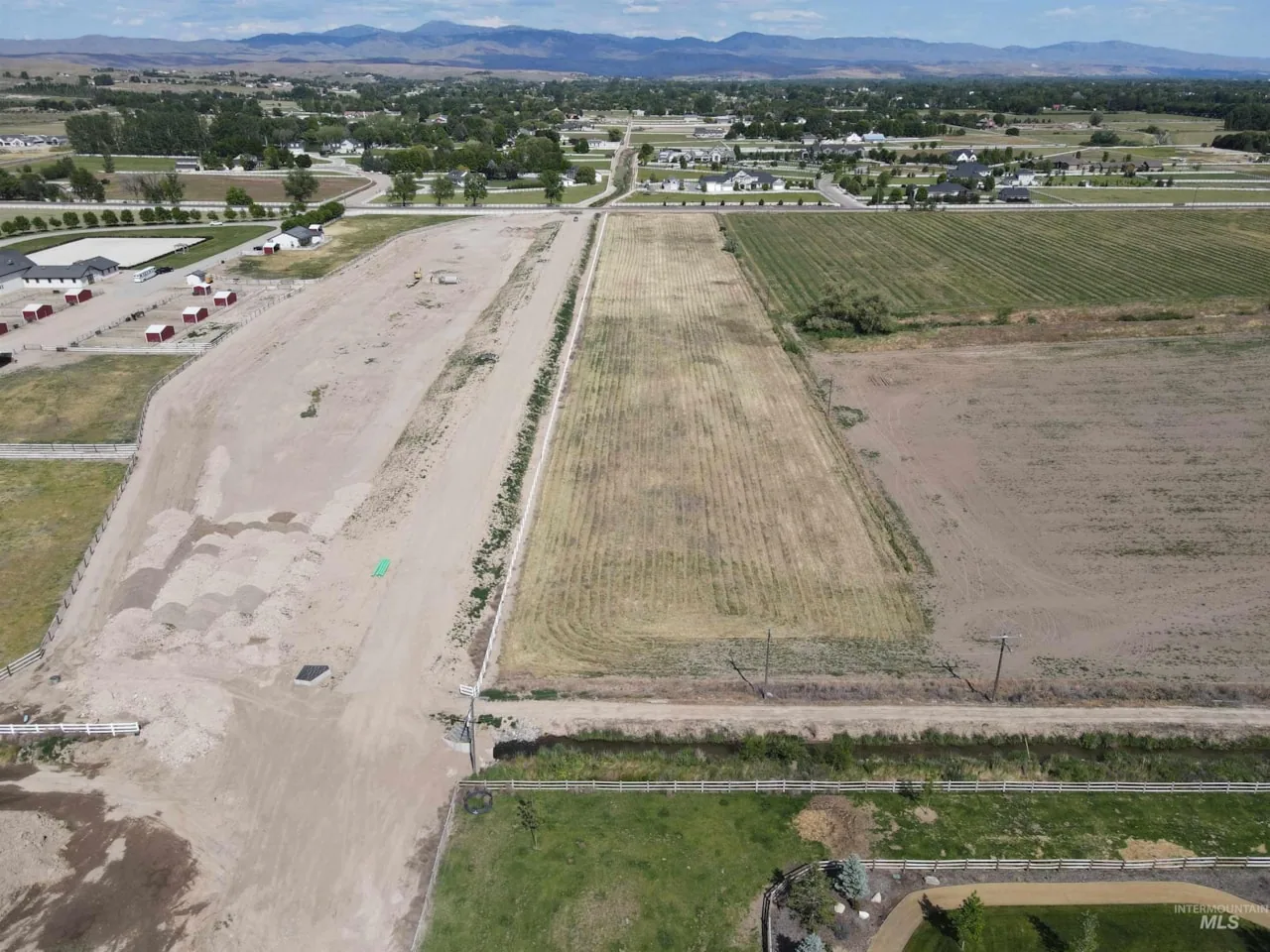
A loose seam beside a roof drain needs a clear field check. We inspect the lap, adjoining sheet, bowl, and water path before setting scope. Meridian’s comprehensive plan identifies Chinden Boulevard as a key transportation corridor. It also places the corridor in multimodal planning alongside Fairview and Cherry, Railroad, Overland, Ten Mile, and Eagle Road. The Fields Subarea plan uses Chinden as its northern boundary and identifies nearby mixed-use, civic, and industrial employment areas. Dispatch still needs the building address and access contact.

The corridor designation describes planning, not a roof assembly. We confirm the actual membrane, drainage, and operating limits at each property. A commercial roof inspection records visible conditions and identifies any area requiring a closer test.

Confirm the Property Before Dispatch

A corridor can run past buildings with different owners, uses, and access rules. We ask for the street address, roof plan, leak location, and a person who can release the hatch. The site contact confirms the entrance, staging area, escort, work hours, and any current construction. Road planning does not tell us which entrance is open. We record the property’s directions before mobilizing a lift or materials.

The first roof walk follows the reported concern and connected details. We inspect membrane seams, parapets, penetrations, curb corners, drain bowls, and edge metal. Photos show the defect and its position relative to roof zones. At a drain, we check strainer, flashing, sump, and overflow path. At a curb, we look for movement at the unit perimeter and a seam pull. A drain and scupper inspection can document the condition before repair scope is selected.

The Fields plan designates civic and mixed-use activity near the corridor, with industrial employment areas also identified. Those designations can make access and operating windows vary by address. They do not establish building inventory or roof condition. We ask the facilities contact whether a public route, equipment operation, or tenant space needs protection. The report marks any inaccessible area rather than assuming a clear view.

Use Roof Evidence to Locate the Leak

Water can travel beneath a membrane or along a deck before appearing indoors. We compare the interior mark with roof slope, drains, equipment, and prior patches. A likely route remains separate from a confirmed opening. If concealed insulation could affect the repair, we explain whether infrared review or a test cut may help. Before sampling, the property contact signs off on the opening point and interior safeguards. An infrared moisture survey can guide closer review when conditions support it.

Meridian’s summer heat and winter freezes guide seasonal roof checks. We inspect exposed seams and flashing during warm periods, then review drains and overflows before cold weather. Boise Air Terminal normals serve as a nearby regional proxy for the city. We check actual surface condition, ponding evidence, drain function, and any split or displaced detail.

A test cut describes material at its mapped point. We photograph each exposed layer, record moisture or deck condition, and document closure. A sample cannot represent another roof section. If additional testing could change scope, we name the location and reason for each proposed opening. If testing is not approved, we state what remains unknown so a repair estimate does not imply a wider inspection.

Chinden Boulevard Corridor in Meridian, ID

Keep the Scope Tied to the Finding

A local roof repair may fit when the surrounding assembly supports a durable tie-in. We define preparation, material, connection, and boundary. If the seam opens beside a drain, we check both the bowl and nearby field sheet. Wet insulation, loose attachment, or damaged deck can widen removal. The property owner reviews the expanded condition before work continues.

Recover, coating, and replacement each need different confirmation. Recover requires review of existing layers and drainage. Coating depends on a compatible base and prepared details. Replacement may require tear-off, equipment coordination, and temporary protection. A roof coating assessment starts with the surface and repair history. It does not replace a failed drain or loose seam. We identify whether a focused repair can resolve the observed defect.

Roof height, access, staging, material availability, amount of removal, and weather can move timing. Corridor traffic may influence delivery, but the site contact confirms actual restrictions. If work affects occupied space, the owner identifies barriers, notices, and interior protection. The estimate lists confirmed tasks and any test that could change the boundary. Additional removal needs approval before it begins.

Chinden Boulevard Corridor in Meridian, ID

Coordinate a Safe Work Window

Dispatch checks who can release the hatch, where materials can land, and which interior paths must stay clear. We ask who can authorize temporary protection and who receives dispatch updates. If a contractor is servicing rooftop equipment, we plan the handoff at the curb. A restricted roof zone remains listed as not inspected. Each site receives an access plan tied to its own address.

After-hours calls capture the room report, roof location, and who approved interim protection. The crew checks whether the surface and access support permanent work. If moisture or frost blocks preparation, dispatch records the hold and the next workable condition.

Send the address, leak location, prior repair history, roof plan, and access contact. Include current transportation work or delivery limits. A separate roof at Fields Subarea or Northern Gateway needs its own route instructions. Dispatch will confirm the property and work window for each inspection.

Chinden Boulevard Corridor in Meridian, ID

Leave a Record for the Next Visit

Closeout photos show the prepared surface, installed material, and repair limit. We list test findings and areas left unopened. The owner receives the date, roof-zone reference, and any follow-up item. A later leak call receives a new location until inspection connects it with earlier work. That keeps a recurring water report distinct from a separate roof defect.

Maintenance can revisit seams, drains, penetrations, and edge details. A preventive inspection can compare those areas with dated photographs. The owner sets timing and approves each task. A condition report may support a capital review, but observed repairs and longer-term questions stay separate in the record.

For a Chinden Boulevard corridor building, send the Meridian address, active concern, roof history, and access contact. Dispatch confirms the entrance and sets the first roof zone. The report states what was seen, what was tested, and what remains for later review.

Does a corridor plan tell you which entrance to use?

No. The building contact confirms the current entrance, loading area, roof hatch, and escort rules. A corridor map provides orientation. Dispatch records property-specific access before scheduling equipment or materials.

What is checked around a roof drain?

We inspect the bowl, strainer, flashing, sump, adjoining membrane, and overflow path. Photos show debris, separation, or ponding evidence. The report ties each finding to the roof zone and notes any access limit.

Can a leak be traced without opening the roof?

We begin with visible conditions, interior reports, and roof slopes. Infrared review may help identify a point for closer examination. A test opening is considered when concealed layers could change the repair decision.

How does an industrial or civic schedule affect repair?

The property contact identifies operation hours, restricted zones, equipment routes, and any protection needs. We set the work sequence around the actual building. A plan designation does not set that schedule.

What makes a roof estimate change after inspection?

Wet insulation, deck damage, limited access, extra removal, material compatibility, or weather can change scope. We document the finding and seek owner approval before expanding the repair boundary.

Schedule a Chinden Corridor Roof Visit

Send the property address, active leak location, roof history, and access contact. Dispatch will confirm the route and set an inspection window.

Call 555-555-5555 or fill out the form and we will be in touch.

Got a Leak?

For active leaks, storm damage or other urgent roof problems, call us directly at: 555-555-5555.

ServicesRoof SystemsProperty TypesIndustriesService AreasDamage RepairCapabilitiesManufacturersAboutRequest a Roof Assessment555-555-5555
Call555-555-5555