
Commercial Roofing at Lusk Street, Boise, ID

Commercial roof inspections and repair planning around Boise’s Lusk Street area, with coordination for urban, retail, and technology-related properties.

Lusk Street, Boise

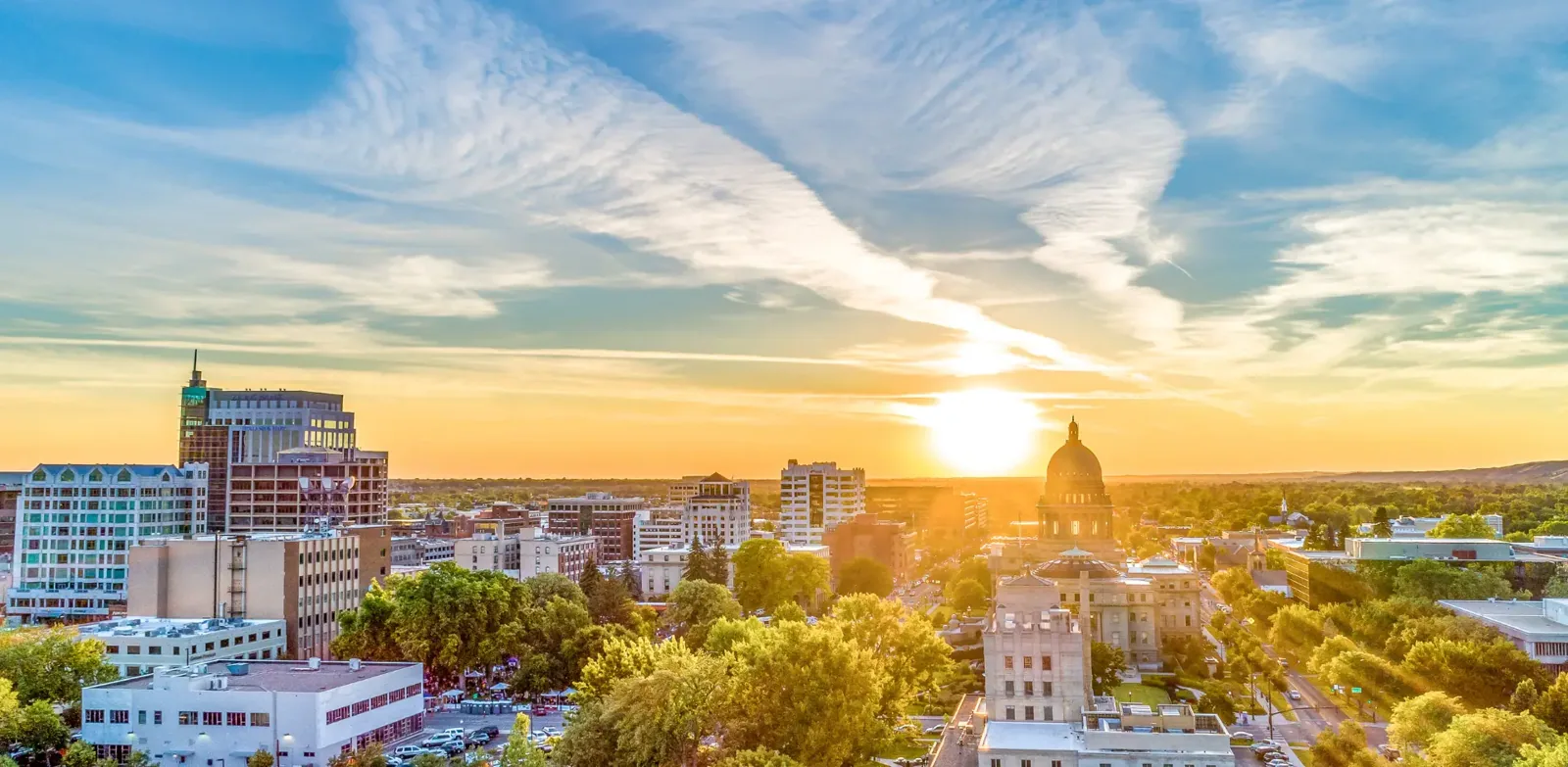
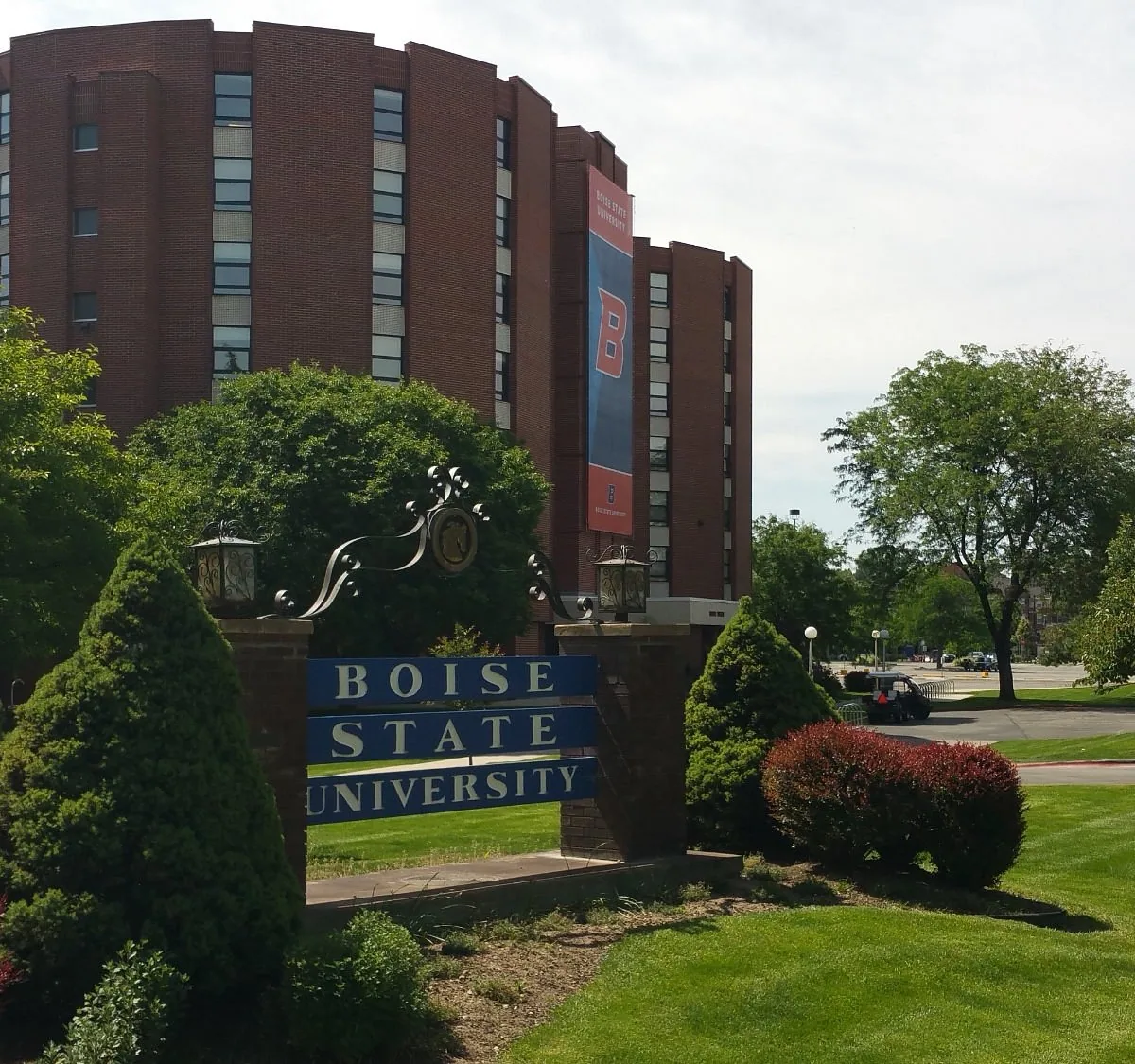
A loose flashing termination near an occupied building needs a careful roof read. We inspect the wall detail, connected seam, drain path, and interior report before setting scope. Boise’s Lusk Street planning area lies east of Ann Morrison Park, south of the Boise River, west of Capitol Boulevard, and north of the Boise Depot. Its plan describes an urban neighborhood with varied housing, retail subdistricts, and small businesses. It also connects local development with Boise State University and technology-related uses.

Those planning connections do not establish roof construction or operating status. Dispatch needs the exact address, active leak location, roof history, and site contact. A roof inspection documents the actual roof area and access limits.

Set the Roof Walk Around the Site

The Boise landmarks orient the planning area. The property contact confirms the building address and roof-access route. The property representative confirms the building, entrance, loading route, roof hatch, and any escort. We ask whether a tenant, small business, or technology operation needs a work window. If another contractor is working at an equipment unit, we coordinate the handoff. Dispatch records the approved route before mobilization.

At the roof, we check seams, wall flashing, drains, curbs, penetrations, edge metal, and earlier patches. We photograph each condition and mark the roof zone. A parapet inspection looks at termination, coping, and membrane movement. A curb check includes corners, vertical flashing, fasteners, and adjacent sheet. If an area cannot be reached, it stays on the limitations list. A roof condition report preserves the findings for property staff.

Housing, retail, and small business plans can involve different interior access needs. We do not assume that those uses describe a specific building. The site contact identifies rooms below a repair, public entrances, and delivery limits. A work plan can separate roof sections when occupied areas need protection. Photos and roof-plan references show which areas were inspected and which were deferred.

Follow the Report Through the Assembly

A stain can appear away from the roof opening. We compare the room report with drainage direction, wall details, penetrations, and prior service notes. We map the stain against the roof field and adjoining details, then label each conclusion by evidence. If a hidden layer would change the repair limit, the owner selects an approved sample point after reviewing access and interior safeguards. An infrared survey may rank next inspection points when readings can be interpreted with confidence.

Meridian’s regional climate data comes from nearby Boise Air Terminal normals. The values help time seasonal reviews for the service market. We inspect the membrane, flashing, drains, and reported area at the Lusk Street property. We inspect the actual membrane, seams, flashing, and drains. Hot periods can make exposed surface condition worth reviewing; freezing periods call for drain and overflow attention. The report describes what we observed rather than infer a failure from climate alone.

A test opening reveals only layers at its recorded location. We photograph the sample and document closure. If a roof has several transitions or previous repairs, one test does not clear the rest. We identify the remaining question and propose an additional sample only if it could change the repair decision. The property owner decides whether testing proceeds.

Lusk Street, Boise in Meridian, ID

Define the Repair at the Existing Detail

A localized roof repair may fit when material around the defect can support a tie-in. We specify preparation, patch material, flashing detail, and work limit. A failed wall return can stay focused if the adjoining field is sound. Wet insulation or damaged deck can extend scope. We pause for owner review before removing beyond the original boundary.

Recover, coating, and replacement need different evidence. Recover depends on layer condition, attachment, drainage, and substrate. Coating needs a compatible, prepared base. Replacement may involve removal, disposal, lift access, equipment coordination, and protection below. A phased occupied-building plan can coordinate work around active tenants and small businesses. We confirm use and access at the property rather than infer from the plan.

Cost and timing depend on height, access, staging, materials, surface moisture, removal area, and the sequence of other trades. A narrow access route or limited delivery window can affect mobilization. We record those drivers in the scope. Hidden conditions remain assumptions until a test or removal confirms them. The owner approves changes before work expands.

Lusk Street, Boise in Meridian, ID

Keep Occupants and Crews in Sequence

The site contact confirms entrance, loading, hatch access, escort, work hours, and interior protection. If a business needs a clear walkway, we identify the route and barrier location. We ask who authorizes temporary controls and who receives dispatch notes. Where a shared wall or unit creates coordination needs, the property manager names the other trade. No adjacent site instruction is assumed to apply.

Emergency calls can be handled overnight and on holidays. Dispatch records the room, active water entry, roof zone, and temporary step the owner authorized. The crew checks the roof release and surface condition before permanent work. If weather, frost, or a damp substrate prevents the selected detail, we record why and what needs to change before return. The site contact receives the current status.

Send the Boise street address, active leak location, roof records, and person coordinating entry. Add any tenant notice, business-hour, or delivery limit. For another nearby property, name Boise State University Campus or the 30th Street Area separately. Dispatch confirms each building’s own access and roof zone.

Lusk Street, Boise in Meridian, ID

Keep Roof Records With the Address

The closeout file records material, preparation, repair boundary, and the connected seam or flashing. Dated photos locate the work. We list any test result and areas that remained unopened. Each follow-up begins with its own room, date, and observed condition. We connect it to earlier work only when the roof inspection supports that link. Store the closeout beside the building plan and prior service log.

Maintenance can revisit drains, seams, wall returns, and penetrations. A scheduled maintenance check can compare the same detail over time. The owner chooses timing and approves the work. If an urban project adds equipment or alters a roof transition, we document the new condition separately.

For Lusk Street, send the property address, active water location, roof history, and site contact. Dispatch will confirm who can release access and which roof area to inspect. The recommendation follows visible conditions and approved testing.

Does the Boise Depot boundary mean my building has a historic roof?

No. The landmark helps locate the Lusk Street planning area. It does not identify a building’s age, assembly, or roof condition. We inspect the actual property and review records when available.

Can you work around a small business schedule?

The property contact sets access hours, interior protection, and any delivery restriction. We can phase roof areas when safe and practical. The work plan lists who approves a change in sequence.

What do you check at a wall flashing?

We inspect termination, sealant, membrane movement, adjacent seams, and drainage direction. Photos locate the condition. If hidden layers could affect scope, we identify a test before removing material.

Will a moisture scan show the exact leak opening?

It can highlight a pattern for closer review, but it does not prove the entry point. We compare the scan with the room report and visible roof details. A test opening may be needed to confirm a layer.

What details help dispatch arrange a visit?

Provide the exact Boise address, leak location, roof history, and access contact. Include business hours, escort rules, and any work by another trade near the roof area.

Arrange a Lusk Street Roof Inspection

Send the Boise address, active leak location, recent roof history, and access contact. Dispatch will confirm the property and set an inspection window.

Call 555-555-5555 or fill out the form and we will be in touch.

Got a Leak?

For active leaks, storm damage or other urgent roof problems, call us directly at: 555-555-5555.

ServicesRoof SystemsProperty TypesIndustriesService AreasDamage RepairCapabilitiesManufacturersAboutRequest a Roof Assessment555-555-5555
Call555-555-5555