
Commercial Roofing Along Glenwood Street and Highway 44, ID

Commercial roof inspections and repair planning along Garden City’s Glenwood and Highway 44 corridor, with access coordination for shops and services.

Glenwood Street and Highway 44

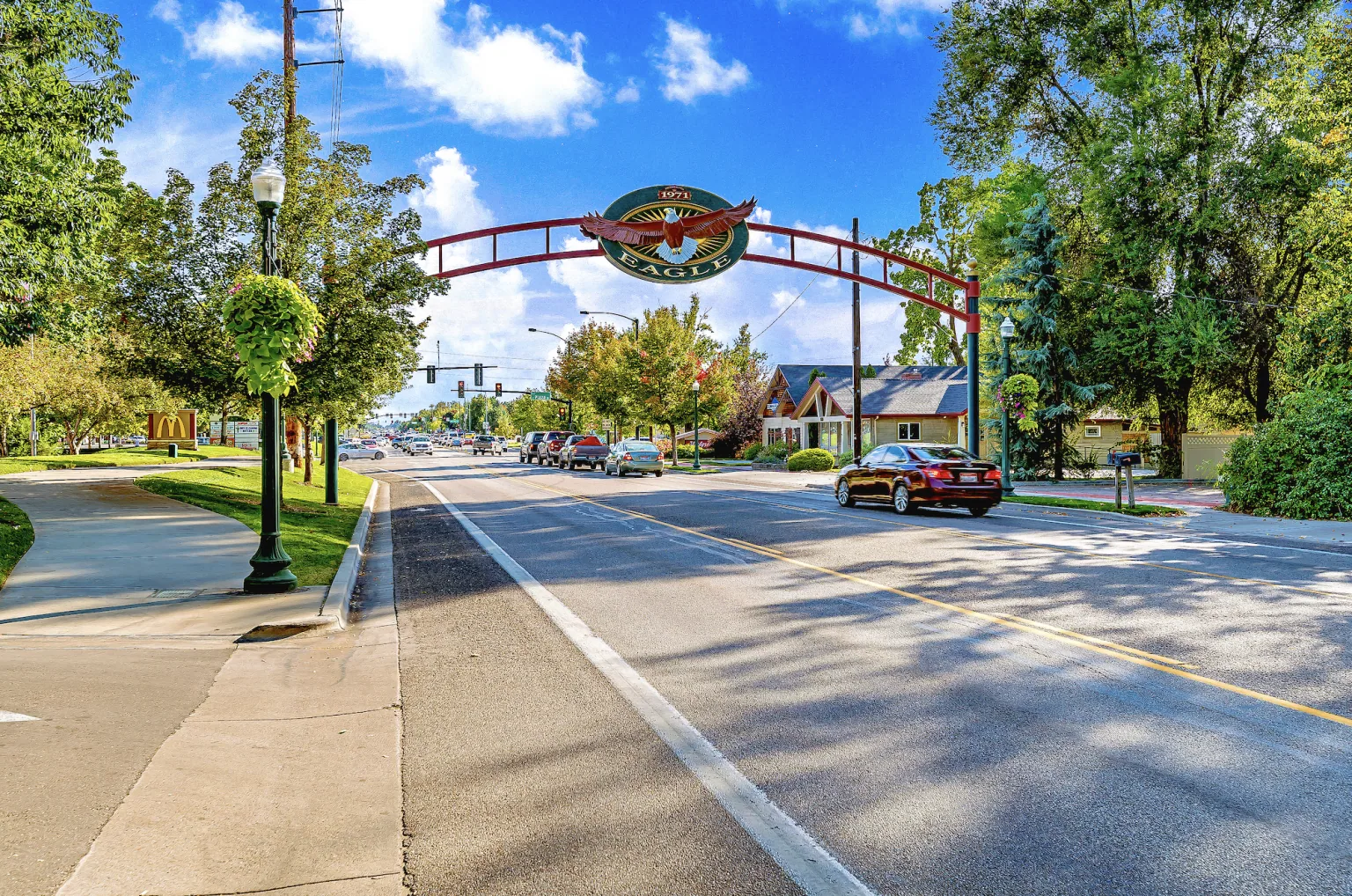
A split roof seam near a service entrance needs a direct inspection. We check the lap, curb, drain route, and interior report before defining repair. Glenwood Street is Idaho Highway 44 between the State Street and Chinden Boulevard junction and the Boise River crossing. Glenwood is a major business corridor with shops and services, and the main route to the Ada County Fairgrounds. Highway 44 also links two principal east-west commuter routes north of I-84 and connects neighborhoods to the Boise River Greenbelt.

Dispatch needs the exact property address, leak location, roof history, and access contact. We confirm the building and route before mobilizing. A commercial roof inspection documents the actual roof and any access limitation.

Confirm the Property Along the Route

The corridor is a travel and business route, not a shared property. The site contact confirms the street address, driveway, loading entrance, roof hatch, escort, and work hours. The Ada County Fairgrounds route or Greenbelt connection may affect traffic and pedestrian planning. We ask about current event or route limits before setting a lift or material delivery. Road access does not tell us how the roof is built.

Our walk checks seams, curbs, parapets, drains, edge metal, penetrations, and visible prior repairs. At a service entrance, we inspect the canopy or wall transition only if it is part of the building’s roof area. At a drain, we inspect the bowl, strainer, flashing, and overflow. Photos tie findings to the roof zone. A photo condition report lists observations, tests, and areas not reached.

Businesses along the corridor can have different delivery schedules. We ask the property contact which doors, sidewalks, or service lanes need to stay open. If maintenance work by another trade overlaps a roof unit, we coordinate access before closing the detail. The facility lead identifies any interior room that needs protection. These are site instructions, not assumptions from the route’s commercial activity.

Trace the Leak Through Roof Details

We follow the leak report uphill across the roof plane, checking drains, curbs, wall transitions, and seams in sequence. The inspection log marks confirmed defects separately from likely travel paths. If concealed conditions could change quantity or method, we present the scan or sample option with its purpose and protection needs. An infrared moisture survey can narrow the next inspection area when the readings are dependable.

Meridian’s market climate uses nearby Boise Air Terminal normals as a regional reference. We use that context to time summer surface checks and winter drain reviews. We inspect the actual membrane, flashing, and water path. The Boise River crossing and Greenbelt connection can affect traffic near a service call; the property contact confirms current routes and access limits.

A test cut shows material at one mapped location. We photograph layers, label the roof zone, and document closure. Results do not extend to adjacent areas. If the owner authorizes another sample, we state what it can answer. If testing is declined, the report names the unresolved question and limits any repair recommendation to visible evidence.

Glenwood Street and Highway 44 in Meridian, ID

Choose Between a Local Fix and Broader Work

A local roof repair may fit when sound material remains around the defect. We define preparation, compatible patch, seam or flashing connection, and work edge. If wet insulation or deck damage reaches beyond the first opening, the owner reviews an expanded boundary before removal continues. Photos show the completed repair and what remains outside scope.

An overlay is considered only after the current assembly and fastening pattern are verified. A coating option needs a stable membrane and preparation at each transition. Full removal brings separate requirements for hauling, equipment moves, and protection during open-roof periods. We compare these choices after checking the substrate and water-control details. A drain and overflow review can identify whether water management is part of a repair or separate maintenance. We verify installed material before choosing the repair method.

Cost and schedule depend on roof height, access, lift placement, staging, removal area, material availability, and surface moisture. A busy route can affect delivery timing, but current restrictions come from the property contact. We list confirmed work and any hidden condition that could change the scope. Work beyond the approved area requires authorization. A wet surface may also move the visit date.

Glenwood Street and Highway 44 in Meridian, ID

Plan for Traffic and Roof Release

The property representative confirms the entrance, loading point, hatch access, escort, work hours, and interior protection. If the route is near a fairgrounds event or Greenbelt path, the site lead identifies any current pedestrian or delivery restriction. We record who approves temporary measures and who receives status updates. The facility contact confirms the entrance and staging area before arrival.

After-hours leak intake remains open on weekends and holidays; dispatch confirms the corridor address and site escort. Dispatch records the affected room, active water, roof zone, and temporary measure approved by the owner. At arrival, the crew verifies the roof release, work boundary, and whether the target surface can accept the specified repair. A weather or substrate hold gets a dated note with the condition for rescheduling, delivered to the named property representative.

Send the exact address, active leak area, recent service history, and access contact. Include any event, loading, or pedestrian limit. A separate inspection at Garden City or the Chinden Boulevard corridor needs its own address and route confirmation. Dispatch records each property separately.

Glenwood Street and Highway 44 in Meridian, ID

Record the Detail for the Next Visit

The closeout file identifies the repair material, connection detail, roof zone, and edge of work. Dated photos show the completed surface. We list test results and any section left unopened. Any later report is logged as a separate event with its own location and timestamp. We associate it with a prior repair only after field evidence confirms the connection. The owner can file the photos with the roof plan.

Maintenance can revisit drains, seams, parapets, and penetrations. A preventive roof check can compare those details with the latest photo record. The property owner chooses timing and approves each task. If the corridor changes or another trade alters a roof detail, the new condition is logged separately.

For Glenwood or Highway 44 service, send the Garden City address, leak location, recent repair notes, and contact who can release the roof. Dispatch confirms the entry route and first inspection zone. Recommendations follow what the roof shows and any approved test.

Does Highway 44 traffic affect roof repair?

It can affect delivery, lift staging, or a work window. The property contact confirms current route limits. We plan equipment and material movement around the actual entrance, not the highway designation.

Can you schedule around fairgrounds traffic?

The site representative identifies event or delivery restrictions. We confirm the route and staging point before dispatch. If an event blocks access, the visit may need another window.

What do you check at a service entrance?

We inspect the roof detail above the reported area, including canopy connection if it is part of the roof, nearby seam, flashing, drain path, and interior mark. Photos locate the observed condition.

Will a Greenbelt location cause roof exposure?

The Greenbelt is a local route reference, not evidence of roof exposure or damage. We inspect the actual assembly, drainage, and edge details at the property before recommending work.

What should dispatch know before arrival?

Send the building address, active leak location, access contact, and recent roof history. Add event, sidewalk, loading, or lift-placement restrictions that could affect the visit.

Schedule a Glenwood Corridor Roof Inspection

Send the Garden City address, active leak location, recent roof history, and access contact. Dispatch will confirm the route and set an inspection window.

Call 555-555-5555 or fill out the form and we will be in touch.

Got a Leak?

For active leaks, storm damage or other urgent roof problems, call us directly at: 555-555-5555.

ServicesRoof SystemsProperty TypesIndustriesService AreasDamage RepairCapabilitiesManufacturersAboutRequest a Roof Assessment555-555-5555
Call555-555-5555