
Commercial Roofing at East Kuna Industrial Overlay, Kuna, ID

Commercial roof inspection and repair planning for East Kuna industrial sites, with access, equipment, freight, and development coordination.

East Kuna Industrial Overlay, Kuna

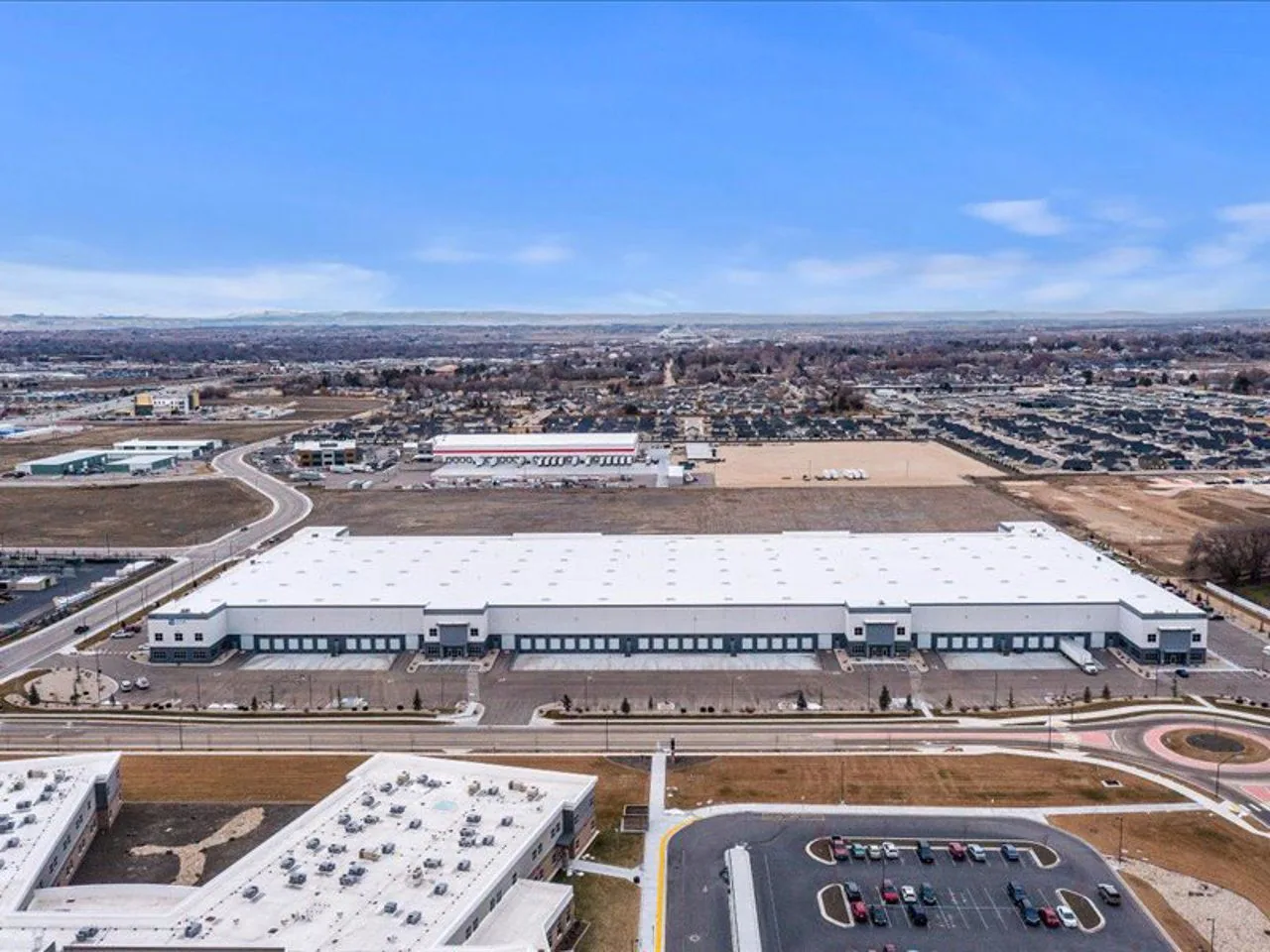
A roof leak above an industrial work zone needs an address-specific inspection. We check the roof field, equipment curbs, drainage, and interior report before setting the repair edge. Kuna’s East Kuna Industrial Overlay is intended for large-scale industrial development with uses more intensive than those near the city core. Kuna’s growth priorities include industrial parks, office parks, transportation, and job creation. We verify the building's assembly through records and visible roof details.

For dispatch, provide the exact parcel address, leak point, prior roof work, and facility lead. A first roof walk records installed details and any zone we cannot reach.

Match the Inspection to the Site Plan

Kuna maps cover city limits, overlay designations, zoning, and future land use. The property owner confirms which site and building are involved. We confirm current construction, occupancy, and roof type with the property contact and a roof inspection. Before dispatch, the facility lead supplies the entrance, roof hatch, loading approach, escort, work hours, and any active equipment work.

We inspect the reported zone and connected details. Checks include seams, curb corners, penetrations, wall flashings, drains, overflows, edge metal, and visible past repairs. We photograph each observation with a roof-zone reference. If a process area sits beneath the work, the facility contact identifies protection needs and shutdown limits. A roof condition report can show inspected, tested, and inaccessible sections without extending a finding beyond its evidence.

Industrial overlay planning allows for more intensive uses than the city core. Actual operating conditions still come from the building contact. We ask which line, storage area, utility, or delivery route could be affected. The first walk confirms the installed membrane and roof details from visible construction and available records, while the contact identifies active production requirements.

Follow the Reported Water Path

A wet spot may sit below a drain, wall, curb, penetration, or open seam. We compare its location with roof slope and adjacent details. The likely path remains marked as unconfirmed until inspection finds evidence. When concealed moisture or attachment may change removal, we compare a scan with an approved opening. The owner selects the test after reviewing its purpose and safeguards below. An infrared moisture survey can prioritize zones if the readings are interpretable.

The regional Boise Air Terminal record used for Meridian shows July daily highs averaging 92.7 degrees and December lows averaging 25.4 degrees. At the property, we inspect the installed surface, drainage, and any effects of heat or freezing conditions. Heat can affect exposed membranes and sealants. At a drain or edge, we check whether retained water and freeze conditions have affected the actual assembly. The field findings determine whether either condition is relevant.

A test cut samples one marked point. We photograph each layer, note moisture and attachment, and record the closure detail. The result applies to that spot only. If the owner authorizes another opening, the scope states its purpose and protection plan. A localized leak repair can proceed when the defect and tie-in material are confirmed. Wider removal waits for approval.

East Kuna Industrial Overlay, Kuna in Meridian, ID

Define the Repair Before Removing Material

A durable patch needs sound material at its edge. We name the preparation, compatible membrane, seam or flashing treatment, and work boundary. If removal exposes wet insulation, weak attachment, or damaged deck, the crew documents that condition and stops at the authorized line. The owner sees the evidence before additional work begins. A sealant layer cannot correct unstable substrate.

Recover depends on existing layers, fastening, deck, and water movement. Coating requires a suitable surface and prepared transitions. Replacement may involve tear-off, disposal, equipment sequencing, and protection beneath the work. If a metal retrofit assembly is present, we inspect the existing deck and attachment before discussing an overlay. The installed material must be verified. The designation alone does not select a system.

Roof height, lift access, haul route, removal area, material availability, surface moisture, and operating hours affect timing and cost. Industrial development activity may change site access, but the owner confirms any current project condition. We separate known repairs from testing or possible expansion. Repeated failures or widespread deterioration can justify a replacement review that compares scope and operational disruption.

East Kuna Industrial Overlay, Kuna in Meridian, ID

Coordinate Equipment and Freight Access

The facility contact identifies the crew entrance, material delivery point, roof hatch, escorts, work window, and interior safeguards. Kuna includes transportation and industrial development among its economic priorities. They do not supply a property’s current freight rules. We use the site’s loading instructions and confirm any equipment contractor sharing the roof.

Dispatch takes after-hours leak calls every day; the facility contact confirms gate access and the affected production area. Dispatch records the affected room, active water, roof zone, and temporary action the owner approved. At arrival, the crew checks the roof release and whether the surface can accept lasting repair. Weather, moisture, or an operating restriction can change the work sequence. The visit note identifies the hold and the condition needed to return.

Keep the overlay service call distinct from Downtown Kuna or a Nampa industrial property. Each site has a separate address, building plan, and access contact. Dispatch verifies the actual roof zone and delivery route. Send a site plan when multiple structures sit within one parcel.

East Kuna Industrial Overlay, Kuna in Meridian, ID

Track the Work by Building and Roof Zone

Closeout records material, repair detail, preparation, work boundary, and any condition outside the approved scope. Dated photos show the finished area. Test results and inaccessible zones remain explicit. A later leak report begins with its own location and time until inspection establishes a relationship to earlier work. The building contact can use that history during future maintenance or development review.

Maintenance can check seams, fasteners, drains, curbs, penetrations, and edge details on an owner-approved schedule. A preventive roof visit can compare current photos with the last inspection. The owner decides the interval and approves tasks. If a future site plan or industrial project changes roof access, dispatch updates the access instructions without changing old findings.

For East Kuna service, provide the site address, affected room or process area, recent roof work, and facility contact. Include loading and equipment limits. Dispatch confirms the property, the first roof zone, and the approved work window. Recommendations follow the inspected assembly, tests authorized, and boundary reviewed with the owner.

Does the overlay designation confirm an industrial building is already operating?

No. It describes intended land use. The property contact confirms current occupancy, equipment, and operating limits. We inspect the roof itself before recommending work.

Can your crew coordinate around freight or equipment service?

The facility lead supplies delivery routes, equipment schedules, escort rules, and the access window. We record those details before dispatch and confirm the work area at arrival.

What can an infrared survey establish?

It can help rank areas for closer review when conditions support useful readings. It does not replace a roof walk or confirm every concealed layer. Findings stay tied to the areas examined.

How is wet insulation handled after an approved test cut?

We photograph the exposed condition, record its location, and stop at the approved boundary. The owner reviews the added evidence before authorizing more removal or a revised repair scope.

Dispatch an East Kuna Roof Inspection

Provide the site address, active leak location, roof history, and access contact. Dispatch will confirm equipment and freight limits before setting the first visit.

Call 555-555-5555 or fill out the form and we will be in touch.

Got a Leak?

For active leaks, storm damage or other urgent roof problems, call us directly at: 555-555-5555.

ServicesRoof SystemsProperty TypesIndustriesService AreasDamage RepairCapabilitiesManufacturersAboutRequest a Roof Assessment555-555-5555
Call555-555-5555