
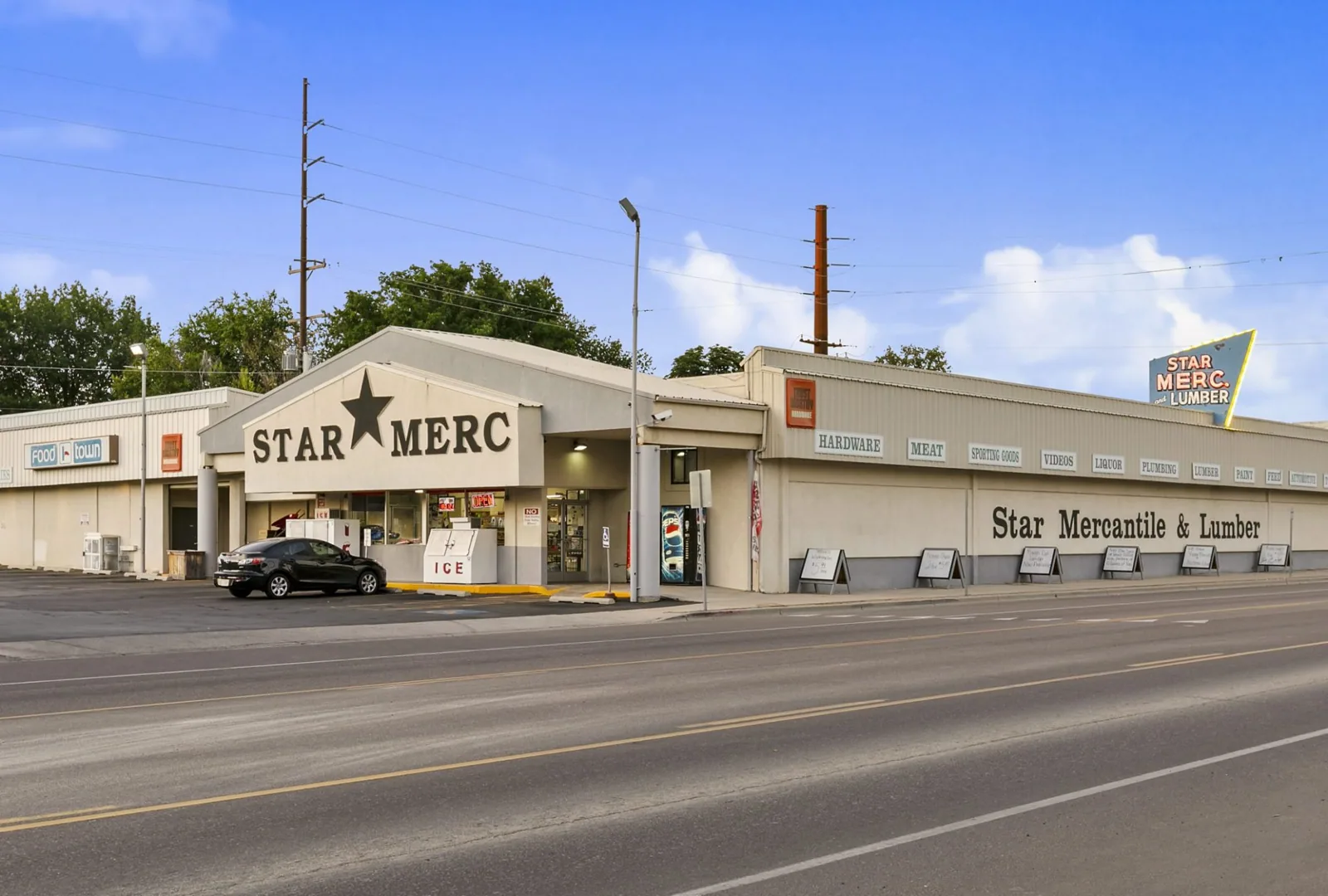
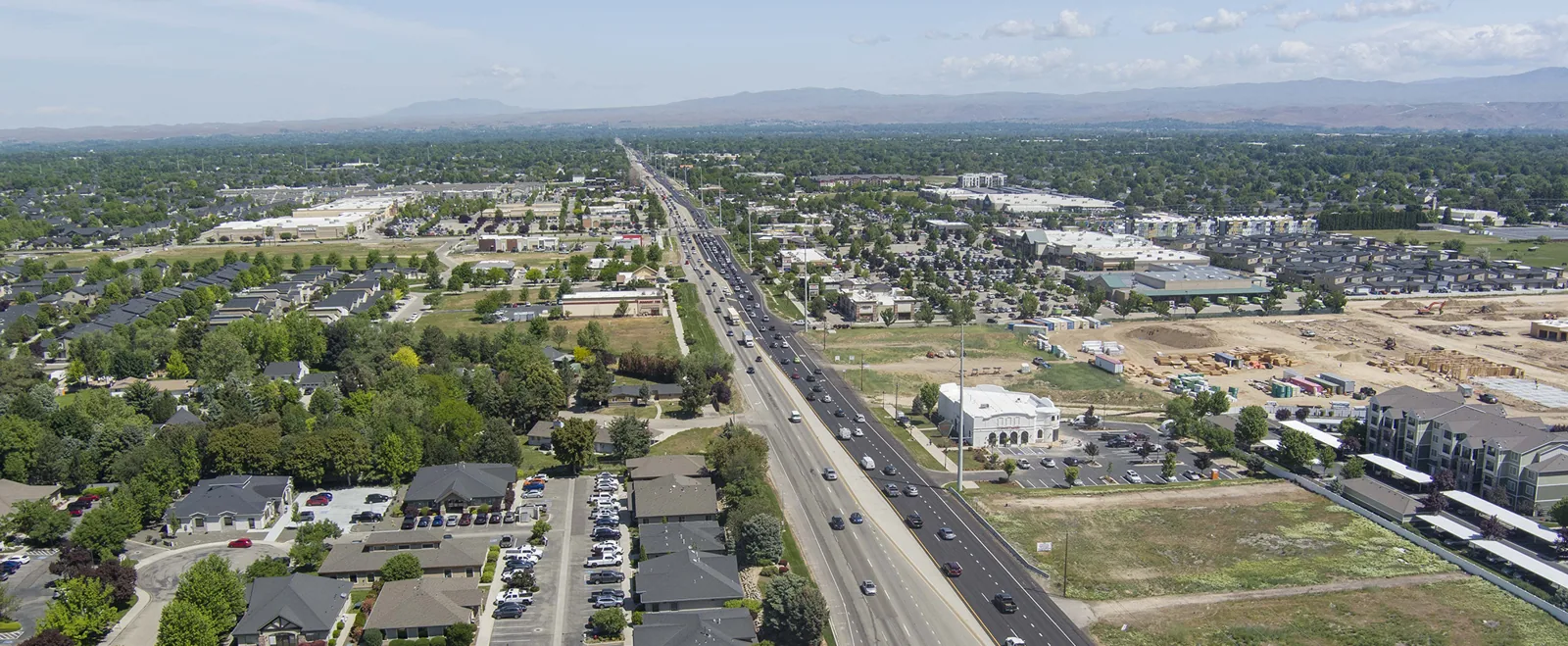
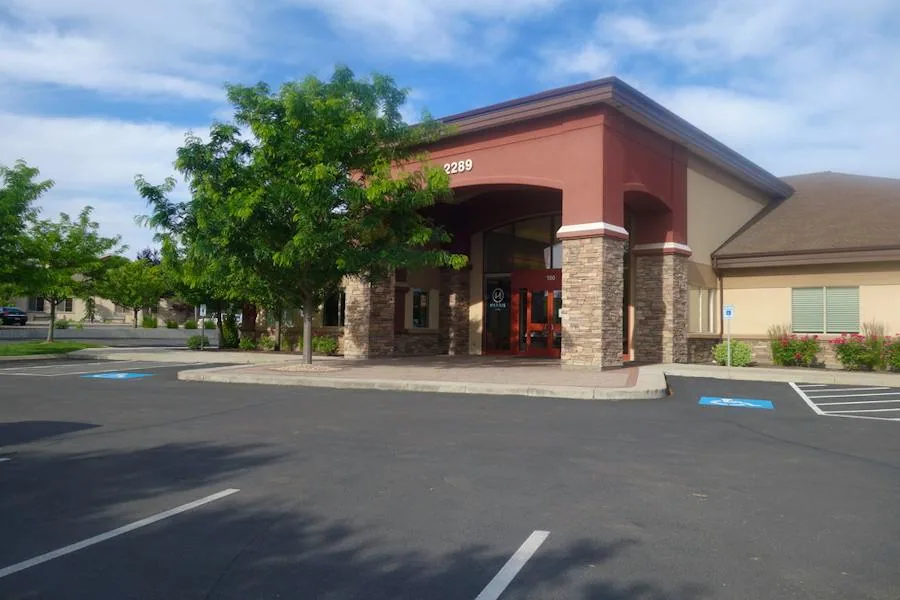
Commercial Roofing at Downtown Eagle, Eagle, ID

Roof inspection and repair planning for Downtown Eagle properties, with access coordination tied to active permits, business operations, and renewal work.

Downtown Eagle

A leak above a storefront or office needs a roof-zone inspection before a repair is named. We trace the reported room to seams, curbs, drainage, and wall details. Eagle publishes a Downtown Planning Area map and a separate Urban Renewal District map for local review. Its economic-development department also supports downtown revitalization, business recruitment, retention, and expansion. Those processes can affect project coordination. They do not establish a roof’s assembly or condition.

For the first Downtown Eagle visit, provide the street address, affected room, latest service notes, and person with roof access. Our inspection record identifies observed conditions and follow-up areas.

Identify the Property and Its Approval Path

Downtown Eagle is a planning area, while the Urban Renewal District has its own map. We confirm which address and building are involved before dispatch. The site representative identifies roof access, business hours, loading, escort requirements, and any project coordination already underway. Eagle’s planning and building departments administer permits for repairs, alterations, additions, and other work. The owner confirms whether a permit review applies to the proposed scope.

The first walk checks the reported roof zone and adjoining details. We inspect membrane seams, parapets, curb corners, penetrations, drains, overflows, edge metal, and visible prior repairs. A photograph shows the location and condition, not a conclusion beyond the evidence. If a roof area is blocked or unsafe to reach, the report records that limit. A roof condition report with photos helps a property manager compare later findings against the same location.

Downtown revitalization and business retention can place roof work beside other planned activity. We ask whether a contractor, tenant, or public improvement affects access that day. The building contact supplies current instructions. We do not infer construction timing from an economic-development goal. A phased occupied-building plan can sequence work when operations must continue and the roof allows defined work zones.

Separate the Stain From the Roof Defect

Water may travel from a drain, wall, curb, or failed seam before it reaches an interior ceiling. We trace the reported room against elevations, transitions, and any earlier repair notes. The suspected route remains a hypothesis until field evidence supports it. If concealed moisture would change the repair limit, we explain whether a scan or a small sample opening can answer that question. The property owner approves the point and protection below. An infrared moisture survey can rank candidate areas when conditions produce readable results.

Meridian’s seasonal planning uses nearby Boise Air Terminal normals as a regional reference. July averages a 92.7-degree daily high, and December averages a 25.4-degree daily low at that station. We use the station normals to time warm-weather and winter checks, then inspect each roof directly. We inspect the actual membrane, flashing, and drainage. Heat can affect surface materials; winter moisture can freeze at a slow drain. A field check decides whether either condition explains the reported leak.

A test opening samples one mapped location. We photograph the exposed layers, note moisture or attachment conditions, and record how the area is closed. That result does not describe another roof bay. If more evidence is needed, the report explains the purpose of a second sample. The owner can compare it with a localized leak repair or a wider investigation before authorizing removal.

Downtown Eagle in Meridian, ID

Define the Work Before Disturbing More Roof

A repair works only when the surrounding material can support a sound tie-in. We state the preparation, membrane or flashing detail, patch limits, and completion checks. If a test exposes wet insulation, weak fastening, or deck damage, we pause at the approved boundary. The owner reviews the new evidence before the crew expands removal. A sealant bead over an unstable seam does not correct the underlying assembly.

We review an overlay only after checking the current layers, fasteners, deck, and water exits. A coating requires sound material and prepared edges. Replacement adds removal, disposal, equipment sequencing, and interior safeguards. A modified-bitumen system inspection can inform repair compatibility when that material is verified. We confirm the installed system through records and visible construction before choosing products.

Cost and schedule depend on roof height, access, staging, work hours, removal area, material availability, and surface moisture. Permit review can also affect timing when the approved scope requires it. We separate the repair estimate from testing or additional removal. If repeated failures or widespread deterioration make a patch impractical, a replacement review can compare the larger options using documented conditions.

Downtown Eagle in Meridian, ID

Set the Visit Around Downtown Operations

The property contact confirms entrance, loading point, roof hatch, escort, business hours, and interior protection. If downtown activity or a renewal project changes a route, we need the current site instruction before mobilizing. A public map helps identify districts, but the owner controls access to a particular roof. Dispatch records who can approve temporary leak protection and which contact receives updates.

After-hours calls are accepted every day, including holidays. Dispatch notes where water is active and what temporary action the owner approved. At arrival, the crew checks roof release, repair access, and substrate condition. The visit record names any weather or surface barrier and the trigger for rescheduling.

Downtown Eagle and a separate Eagle property need individual address confirmation. A business campus in Meridian has a different location and access plan. Dispatch does not carry roof assumptions from one site to another. Send a plan, recent repair photos, loading limits, and the contact who can release the roof.

Downtown Eagle in Meridian, ID

Retain a Repair Record for the Next Review

Closeout lists material, preparation, connection detail, repair area, and any condition left outside scope. Dated photos show the finished work and nearby details. We include test results and sections that were inaccessible. A later report starts with its own room, date, and roof zone until inspection confirms a relationship to earlier work. That keeps records tied to observed conditions.

Maintenance can revisit seams, drain bowls, wall flashing, equipment curbs, and edges. A planned maintenance visit can compare those details with the latest photo record. The owner selects the timing and approves each task. When a permit or renewal project changes the roof, the next inspection should note the new work separately from the prior repair.

To arrange this downtown visit, provide the building number, leak location, permit or trade coordination already underway, and the contact releasing entry. We confirm the roof area with that person before mobilizing. The repair recommendation then follows the roof evidence, approved tests, and work boundary.

Do Eagle’s district maps show whether my building needs a permit?

The maps identify planning and renewal areas. Eagle’s building department reviews permits for repairs and other construction. The owner should confirm whether the specific scope requires review; we can describe the roof work being proposed.

Can you coordinate roof work with downtown business activity?

Yes, when the site contact provides current hours, deliveries, access rules, and any work-zone limits. We record those instructions and phase work where the assembly and site conditions permit.

What does the first roof walk establish?

It documents visible roof conditions, the reported zone, connected details, and access limits. Hidden layers may require approved testing. The report distinguishes observed defects from a suspected water path.

What information helps dispatch locate a leak?

Send the full Eagle address, room or area where water appeared, recent roof or equipment work, and the person who can release access. A roof plan or dated interior photo can help locate the first inspection zone.

Schedule a Downtown Eagle Roof Review

Provide the Eagle address, leak location, recent roof history, and access contact. Dispatch will confirm the property and set the first inspection window.

Call 555-555-5555 or fill out the form and we will be in touch.

Got a Leak?

For active leaks, storm damage or other urgent roof problems, call us directly at: 555-555-5555.

ServicesRoof SystemsProperty TypesIndustriesService AreasDamage RepairCapabilitiesManufacturersAboutRequest a Roof Assessment555-555-5555
Call555-555-5555