
Commercial Roofing at Chinden Boulevard, Garden City, ID

Commercial roof inspections and repair planning along Garden City’s Chinden Boulevard, with attention to access, drainage, crossings, and site operations.

Chinden Boulevard, Garden City

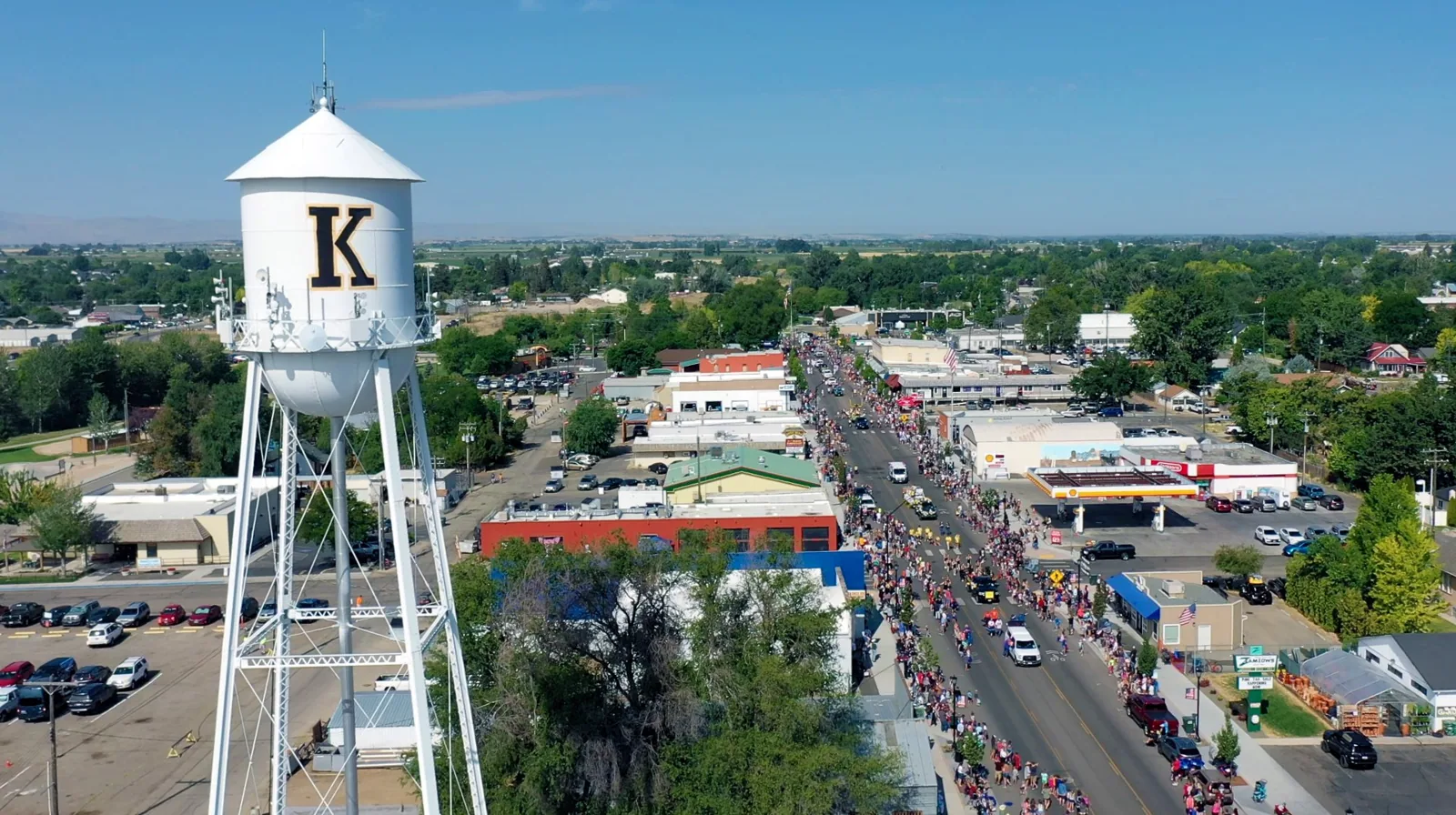
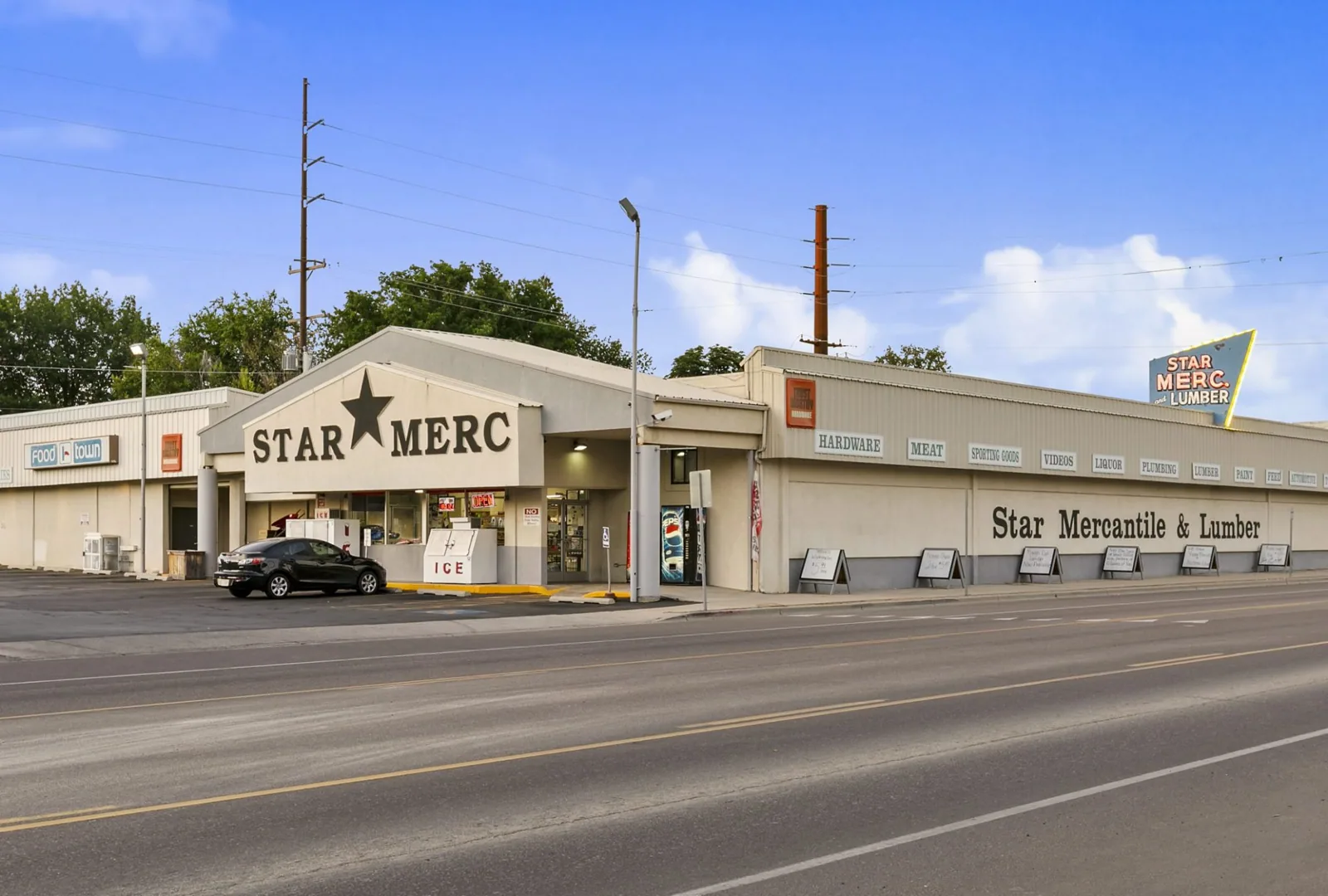
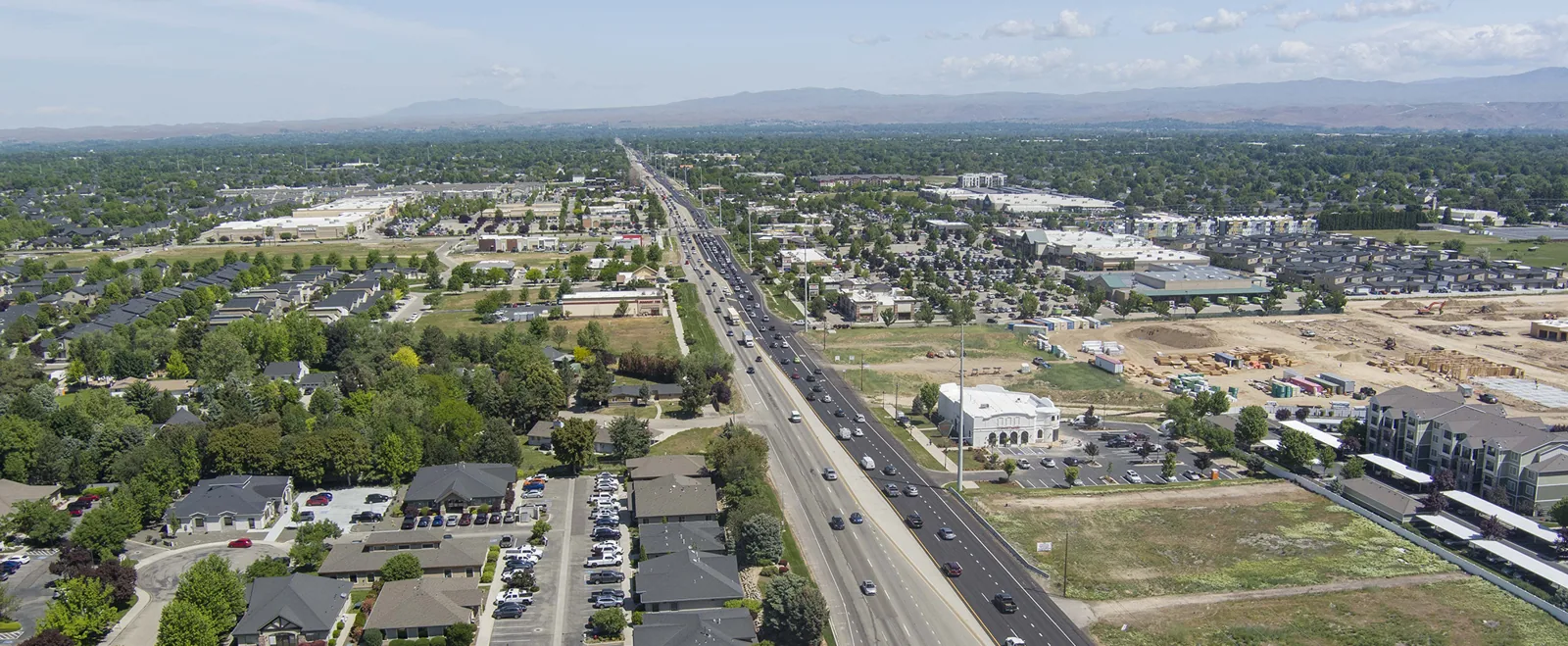
A split flashing edge at a business entrance calls for a property-level inspection. We check the membrane, flashing, drain path, and reported room before defining work. Chinden Boulevard is US 20/26 and a primary Garden City corridor. The city’s proposed design study spans Branstetter Street to Fairview Avenue. Its planning topics include business access, crossings, drainage, pedestrian and bicycle facilities, and street trees. Those details can affect site coordination, not the roof diagnosis.

For a Garden City dispatch, give us the street number, where water appears, prior roof notes, and the person opening the hatch. The first inspection records visible conditions and access limits.

Pin Down the Building and Entry Route

Chinden Boulevard names a corridor, not a single service entrance. The property contact confirms the street number, loading area, roof hatch, escort, work hours, and any limits at a driveway or crossing. A proposed corridor design does not tell us current construction timing or building access. Dispatch records the instructions for this address before setting a visit.

On the roof, we inspect the reported zone and nearby seams, curbs, wall transitions, drains, overflows, edge metal, and prior patches. Each photo gets a roof-zone reference. We note whether a detail is open, distorted, wet, or merely suspected. If a tenant entrance or sidewalk sits below the work area, the facility lead identifies how people move during the inspection. A photo condition report keeps observed findings separate from conclusions that need another test.

The planning materials include drainage and access management among corridor design topics. That does not establish a drainage problem at a particular roof. We check the actual drain bowl, sump, strainer, downspout connection where visible, and overflow route. A clogged opening, poor slope, and a membrane defect need different responses. The inspection identifies which one is present before repair scope is priced.

Trace Water Across the Assembly

A ceiling mark can sit below a wall, drain, curb, or seam. We compare the room report with roof slope and connected details. The likely path stays separate from a confirmed defect. If moisture below the membrane could change the repair boundary, we explain the value and limits of a scan or sample opening. The owner approves the location and protection plan before a test cut. An infrared moisture survey can help prioritize follow-up areas when conditions support useful readings.

Meridian climate context comes from nearby Boise Air Terminal normals. The nearby Boise Air Terminal normals’s July average daily high is 92.7 degrees Fahrenheit, while its December average low is 25.4 degrees. Those regional values help time seasonal reviews in Meridian. We inspect the surface, seams, and drainage directly. Summer heat can affect membrane movement and sealants; winter moisture can freeze at a poorly draining detail. The field condition decides whether those mechanisms are relevant.

One approved sample tells us what lies beneath its marked spot. We photograph that exposure, log the materials, and detail how the membrane closure will be checked. Another roof bay remains untested unless the owner authorizes more sampling. If the assembly appears sound and the defect is isolated, a localized leak repair may fit. Wet insulation, loose attachment, or deck damage can require a wider review.

Chinden Boulevard, Garden City in Meridian, ID

Set a Repair Limit That Matches the Evidence

A patch needs sound material around its perimeter. We identify preparation, compatible membrane or flashing, seam work, and the visible repair edge. If removal exposes wet insulation or weak deck, we stop at the approved limit and document what changed. The owner sees the finding before any added removal. A coating does not replace failed attachment or bridge an unstable substrate. Material selection follows the installed assembly, not the corridor’s land-use designation.

Before an overlay, we verify layer count, fastening, deck, and flow. A coating needs a bondable surface and prepared transitions. Full removal brings separate needs for disposal, equipment moves, and protection in the space below. A TPO system review can help identify compatible details when that is the installed membrane. We verify material from records and field markings before recommending a method.

Roof height, staging, lift access, removal area, surface moisture, material availability, and operating hours affect timing and cost. A corridor address may also have delivery or pedestrian constraints. The property contact confirms active restrictions. We list the authorized work, the assumptions, and any condition that could expand the repair. An replacement assessment is appropriate when repeated failures or widespread deterioration make isolated patches poor value.

Chinden Boulevard, Garden City in Meridian, ID

Coordinate Around Crossings and Deliveries

The site lead identifies where the crew enters, where materials arrive, and which routes must remain open. Planning documents discuss crossings, bicycle and pedestrian facilities, and business access. We use current instructions from the property, not the plan, to place a lift or set a work boundary. A delivery window can also determine whether material reaches the roof before a tenant opens.

Dispatch accepts urgent calls at night, on weekends, and during holidays. We log the wet area, interior location, roof section, and interim action the owner authorizes. The first visit confirms safe access and whether the surface can accept a lasting repair. Rain, frost, or a damp substrate may require a return. The call record states the condition needed to proceed and the contact receiving the next update.

For a nearby property, distinguish Chinden Boulevard from Glenwood Street and Highway 44 or another Garden City address. Similar route names do not establish the same entrance or roof. Dispatch verifies each location separately. The owner can send a site plan, recent repair photos, and any access notes before the first inspection.

Chinden Boulevard, Garden City in Meridian, ID

Keep Findings Tied to the Address

Closeout records the roof zone, material, repair detail, preparation, and work limit. Dated photos show the completed area and anything left outside scope. We list test results and inaccessible sections. A future leak begins with its own location and date until inspection confirms a connection to prior work. The record stays useful when it identifies evidence rather than treating a corridor plan as a roof history.

Maintenance can revisit drains, seams, curb corners, wall flashings, and edges. A scheduled roof maintenance visit can compare the current condition with prior photos. The owner sets the interval and approves each task. If corridor access changes during construction, the property contact can update the dispatch record without changing the roof findings already made.

To arrange work beside Chinden Boulevard, identify the property number, leak point, recent roof work, and entry lead. Tell dispatch which crossing, sidewalk, or delivery path must remain available. Dispatch confirms the first inspection zone and the entry route. Recommendations follow the observed assembly, the approved testing, and the work limit agreed with the owner.

Does the corridor design study establish a roof or drainage defect?

No. It identifies planning subjects such as drainage and access management. We inspect the building’s drains, seams, slope, and flashing to determine whether a roof problem exists.

Can you inspect during business hours along Chinden Boulevard?

The site lead sets the access window, escort, loading point, and any route restrictions. We can plan around active operations when the property can release the roof and protect the area below.

When would a sample opening be useful?

A sample can show concealed layers at one approved point. It is useful when hidden moisture or attachment could change the repair limit. We map the location, explain the question, and document restoration.

What affects the timing of a permanent repair?

Roof access, dry surface conditions, material compatibility, delivery timing, and any expanded removal affect the schedule. Dispatch documents weather or substrate holds and the condition required for the return visit.

Send the Chinden Boulevard Address

Provide the Garden City address, active leak location, recent roof history, and access contact. Dispatch will confirm the entry route and set the first roof inspection.

Call 555-555-5555 or fill out the form and we will be in touch.

Got a Leak?

For active leaks, storm damage or other urgent roof problems, call us directly at: 555-555-5555.

ServicesRoof SystemsProperty TypesIndustriesService AreasDamage RepairCapabilitiesManufacturersAboutRequest a Roof Assessment555-555-5555
Call555-555-5555