
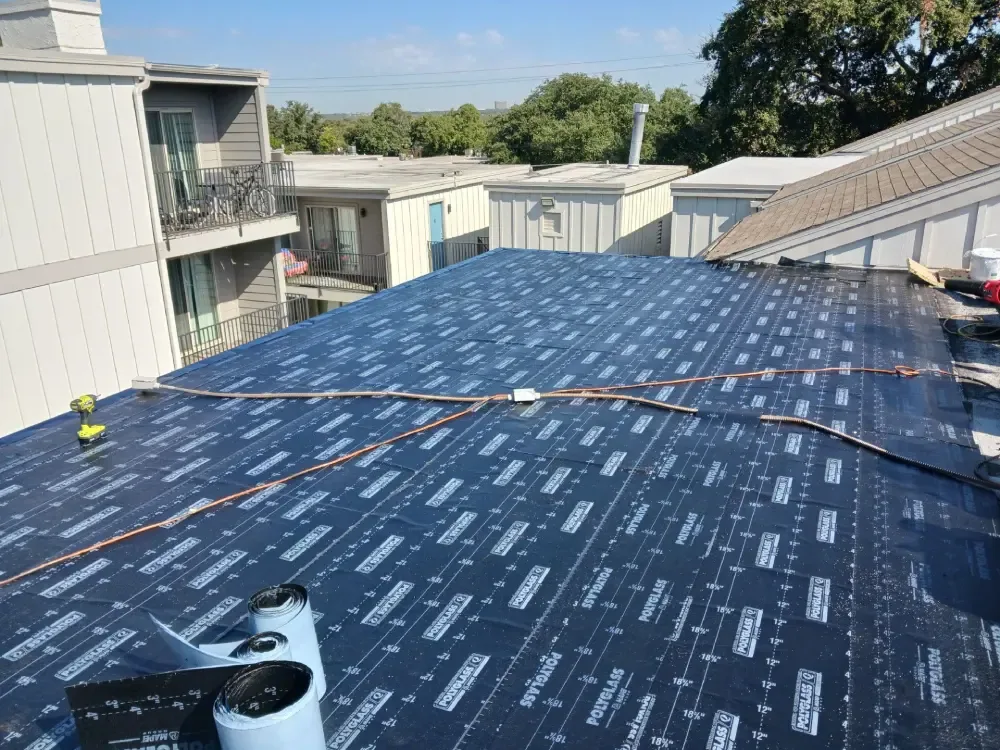
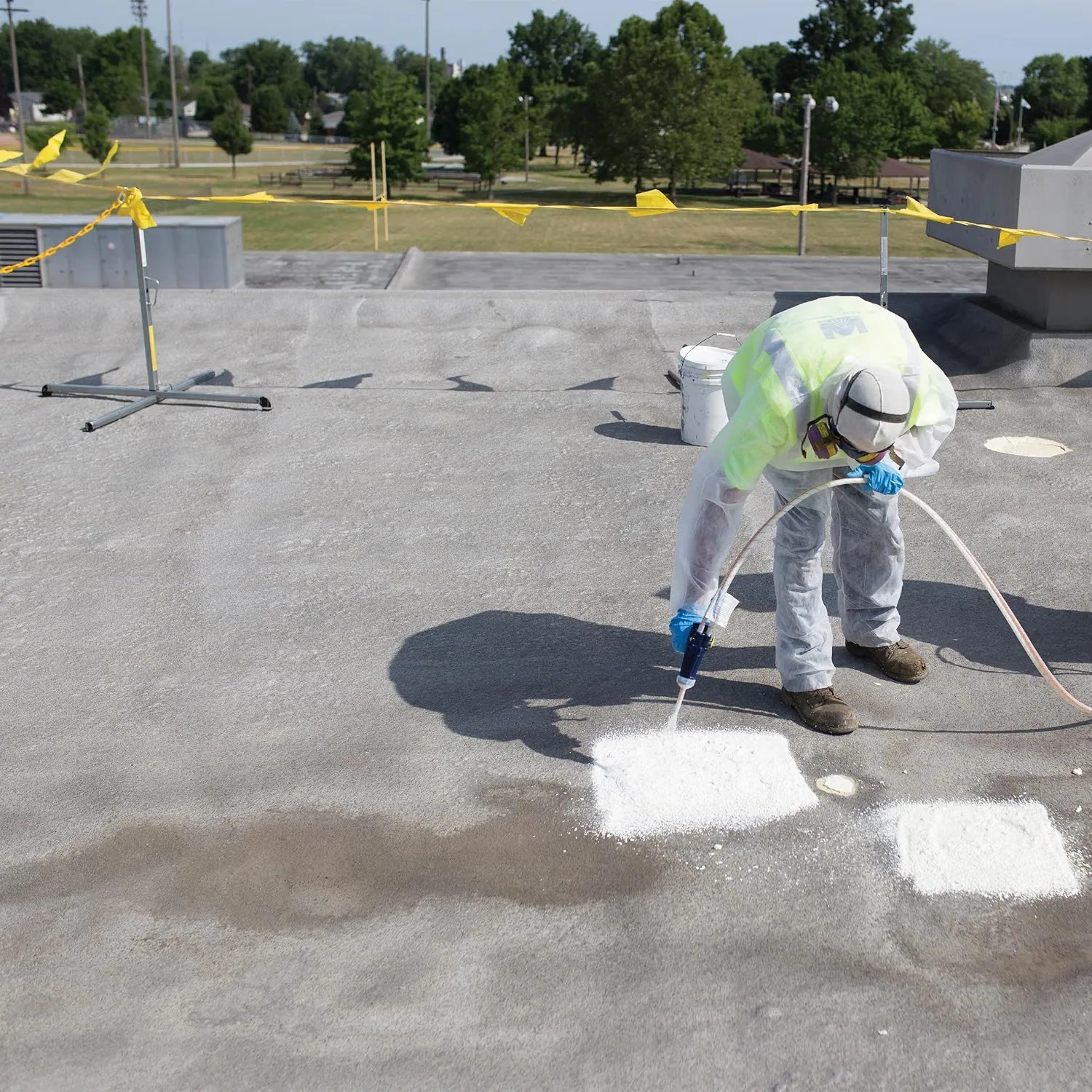
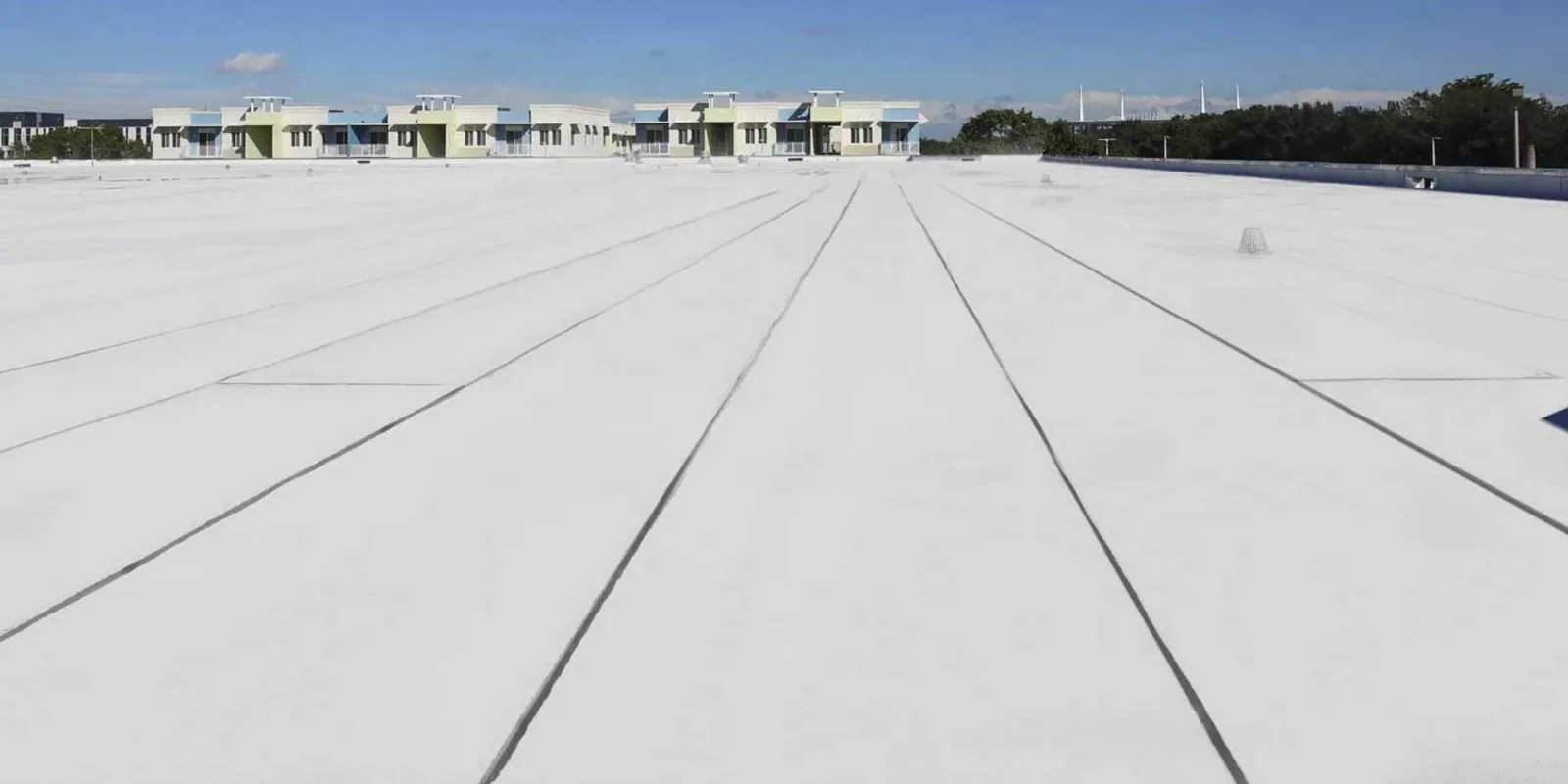
Spray Polyurethane Foam Roofing in Meridian, ID

Spray foam roofing in Meridian, ID needs careful checks of adhesion, thickness, drainage, and protective coating. We map repairs and restoration limits.

Spray Polyurethane Foam Roofing

A worn coating at a foam roof drain sets the first inspection point. We check the protective surface, foam condition, drains, and transitions before recommending SPF repair in Meridian. Spray polyurethane foam creates a continuous insulating layer when properly applied, then needs a protective coating against exposure. The foam and coating have separate failure points. We document both, along with the roof zone and access limits. Dispatch needs the property address, leak location, roof history, and person who can provide access.

Inspect Foam and Coating Separately

We look for coating erosion, cracks, blisters, exposed foam, soft areas, and separation at seams or penetrations. The roof surface can show where protective layers have thinned, but a visual review cannot confirm every concealed condition. We inspect coating around drains, curbs, roof edges, and equipment supports. The photo log shows the location and condition. If the foam appears wet or detached, a test cut may be needed to confirm the assembly.

Foam thickness and slope affect drainage. We check for low spots, ponding, drain blockage, and coating that has bridged an opening. At the edge, we review termination and whether water can enter beneath the system. Around mechanical equipment, we inspect the unit perimeter and service route for cuts from other trades. Those details help distinguish surface wear from damage extending into the foam.

Boise Air Terminal records about nine days per year at or above 100°F. That nearby reading frames dry-season exposure, then we inspect the coating for chalking, cracking, or erosion at the building. The site setting matters too. A facility near I-84 may need freight-aware staging, while access near The Village can involve tenant traffic.

Trace Water Under the Surface

A leak can enter through a small break and travel within the foam or along a transition. We compare the reported ceiling mark with drains, penetrations, wall edges, and visible coating defects. The inspection checks uphill details before defining a repair boundary. We also look at interior conditions when access is available. A dry coating at the stain does not rule out a separate entry point.

Drainage remains part of the SPF review. Nearby Boise Air Terminal normals list 1.41 inches of average January precipitation and a 25.4°F December daily low. Those readings help plan seasonal checks in Meridian. We check drains and overflow paths directly for debris and ponding. Freeze conditions can stress a vulnerable coating or detail. We inspect actual openings, drainage, and water paths before setting scope.

Infrared review may help identify areas for additional testing when conditions support it. A test cut can confirm whether foam is dry, adhered, and suitable for repair. We mark the sample location and close it with compatible materials. If the foam is wet or detached across a wider area, a surface coating will not correct that condition. The report identifies confirmed limits and any testing still needed.

Spray Polyurethane Foam Roofing in Meridian, ID

Restore Only Sound Foam

Localized damage may be repaired by removing unsound foam, rebuilding the section, and restoring the protective coating. The repair perimeter needs sound foam and a compatible bond. We prepare the surface, address the slope or transition when necessary, and apply coating to the specified coverage. A thin topcoat over soft foam leaves the underlying condition in place.

When the surface remains sound but coating has worn, a restoration system may renew protection after preparation and adhesion review. We check moisture, coating type, surface condition, and detail compatibility. Recoating cannot correct poor drainage, hidden wet foam, or failed flashing. Where damage is extensive, selective removal or full replacement may be a better path. We explain the evidence before setting the scope.

A written proposal identifies the repair area, preparation, foam work, coating, and access assumptions. Photos show the start condition and finished transition. A coating restoration review can assess adhesion and remaining serviceable areas. Owners may compare silicone coating and acrylic systems only after the substrate is confirmed suitable.

Spray Polyurethane Foam Roofing in Meridian, ID

Coordinate Application Conditions

Foam and coating work needs a dry surface and suitable temperatures. Wind can affect application and material placement. We check the forecast, roof access, equipment, and protection of nearby intakes before scheduling. The facility contact identifies ventilation systems that need coordination. Work can require isolation of the area below, especially near active air intakes or tenant spaces.

We set the work boundary around drains, walk paths, and mechanical service areas. The team stages materials away from the roof hatch and keeps overflow routes open. A maintenance visit may need a separate window from a coating application. Dispatch notes record the access contact, site restrictions, and any operations that affect ventilation or delivery. At a property along Eagle Road, lift setup and traffic access may shape the daily plan.

Emergency response remains available around the clock, holidays included. An active leak can receive an initial inspection and temporary protection when conditions allow. Permanent SPF application may wait for suitable weather and substrate conditions. Cost and timing reflect foam removal, replacement depth, coating preparation, mobilization, access, and detail count. We identify inspection or testing separately from the restoration scope.

Spray Polyurethane Foam Roofing in Meridian, ID

Track Coating Condition

After work, the photo log records repaired foam, coating coverage, drains, edges, and penetrations. A follow-up inspection can check for new cuts, coating wear, and movement at repaired transitions. Rooftop trades should report damage when it occurs. Prompt inspection can preserve the repair boundary before water reaches adjacent material.

Maintenance includes checking coating condition, clearing drains, and inspecting service paths around rooftop equipment. We note where access or equipment work may have disturbed the roof. The next condition report can compare photos and map new areas for testing. That record helps the owner decide whether isolated repair remains appropriate or larger restoration planning is needed.

For properties with several roof types, a roof inspection can document all systems by zone. Preventive maintenance can revisit drains and repaired edges. A facility in the Ten Mile District can be assessed alongside nearby sites when access windows permit. We tie each recommendation to observed foam, coating, drainage, and attachment conditions.

Can a new coating fix wet spray foam?

A coating protects a suitable surface but does not dry wet foam. We test suspect areas, map the findings, and remove or repair unsound material before restoration.

How do you choose between silicone and acrylic on SPF?

The substrate condition, existing coating, drainage, and exposure guide selection. We check compatibility and adhesion first. A product choice cannot correct wet foam or a failed transition.

Why does SPF roofing need a protective coating?

The coating shields the foam from exposure and wear. We inspect its thickness, continuity, and bond, especially at drains, edges, and penetrations where damage can admit water.

Can you repair just one damaged area?

A localized repair can work when sound foam surrounds the defect. We define the boundary from testing and visible condition. Widespread moisture or separation can change the recommendation.

Schedule an SPF Roof Review

Send the Meridian address, active leak location, roof history, and access contact. We will inspect coating, foam, and drainage before setting the repair scope.

Call 555-555-5555 or fill out the form and we will be in touch.

Got a Leak?

For active leaks, storm damage or other urgent roof problems, call us directly at: 555-555-5555.

ServicesRoof SystemsProperty TypesIndustriesService AreasDamage RepairCapabilitiesManufacturersAboutRequest a Roof Assessment555-555-5555
Call555-555-5555