Johns Manville Commercial Roofing in Meridian, ID

Review Johns Manville commercial roof systems in Meridian, with assembly identification, repair planning, moisture checks, and property-specific access notes.

Johns Manville Commercial Roofing

A loose edge beside an older patch needs a system check first. We identify the roof layers, inspect the affected detail, and compare available records. Dispatch needs the Meridian address, active leak area, repair history, and site contact. Johns Manville lists commercial TPO, PVC, EPDM, modified bitumen, built-up roofing, and liquid-applied systems. The name in a maintenance file does not identify the assembly now on the building.

Meridian’s weather shifts between dry, hot summer surfaces and freezing winter nights. We schedule checks with those seasonal demands in mind, then inspect the actual roof and drainage details. We inspect the installed membrane, seams, and flashing at the property. We record the condition at each seam and transition.

Read the System and Its Details

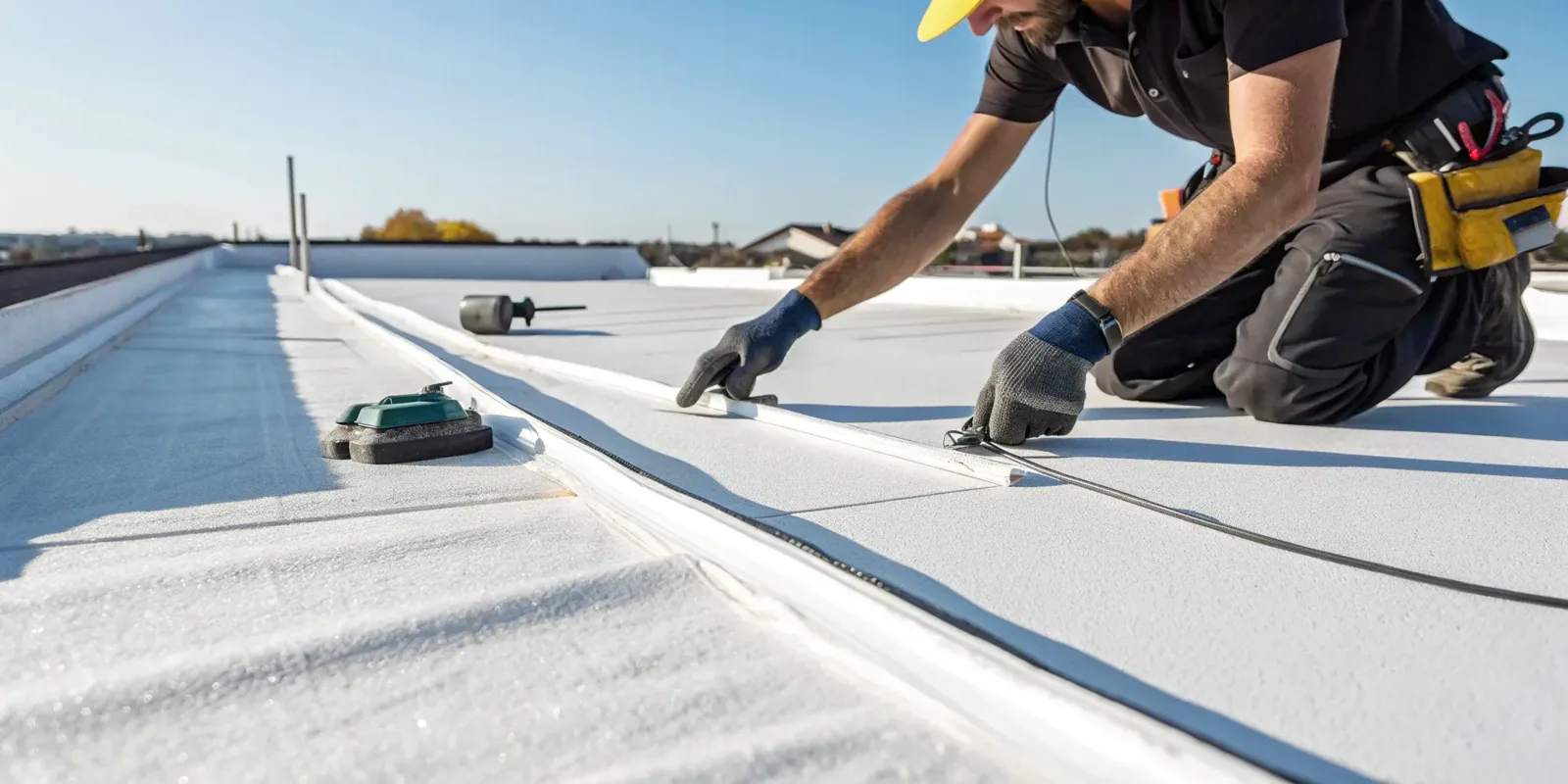
We check labels, closeout documents, and visible membrane or asphaltic layers. A Johns Manville system may use single-ply, multi-ply, or liquid-applied materials. We note attachment, seams, flashings, insulation, drains, and edge transitions when visible. If documents name a product but the roof shows later work, we record that difference. A repair method follows the installed material and substrate. We compare the field sheet with transitions at curbs, drains, parapets, and wall returns. Prior repair edges deserve separate photos, especially where a new membrane meets an older detail. That record helps define the tie-in before any material is removed.

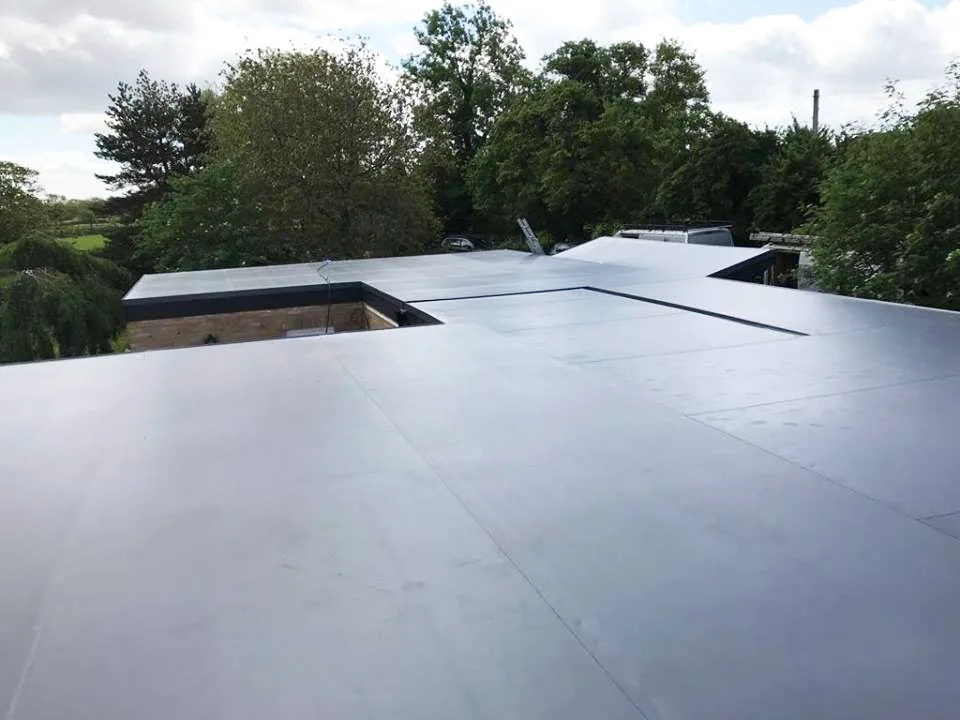
Thermoplastic seams, EPDM transitions, and modified-bitumen laps need different checks. We look for splits, fishmouths, loose edges, adhesive loss, worn surfacing, and water marks. A test opening may confirm layers at one selected point. We photograph the sample and keep results limited to the tested area. EPDM roofing and modified bitumen do not share a single repair detail.

Johns Manville’s commercial resources include specialty products for membrane systems, including expansion-joint covers, edge metal, retrofit drains, and tie-in flashing. The presence of a listed accessory does not show what the roof uses. We confirm the actual detail and dimensions at the property.

Connect the Report to a Roof Area

An interior stain can surface far from the entry point. We compare the room location with roof slope, drains, curbs, penetrations, and wall returns. A service record may identify earlier HVAC or repair work near the path. We note the likely route and label uncertainty. If moisture testing would affect the repair boundary, we explain a test point before opening material.

Ten Mile Crossing lies east of Ten Mile Road between I-84 and Franklin Road. It has office, retail, dining, bank, and medical services. A property in that commercial setting may need a defined access window. We ask the actual site contact about operations. The facility contact supplies roof records and the reported leak area before inspection.

A commercial roof inspection can document seams and drainage. If wet insulation is suspected, an infrared moisture survey may help select a test location when conditions support it. The report states what the method showed and which areas remain untested.

Johns Manville Commercial Roofing in Meridian, ID

Choose a Compatible Work Scope

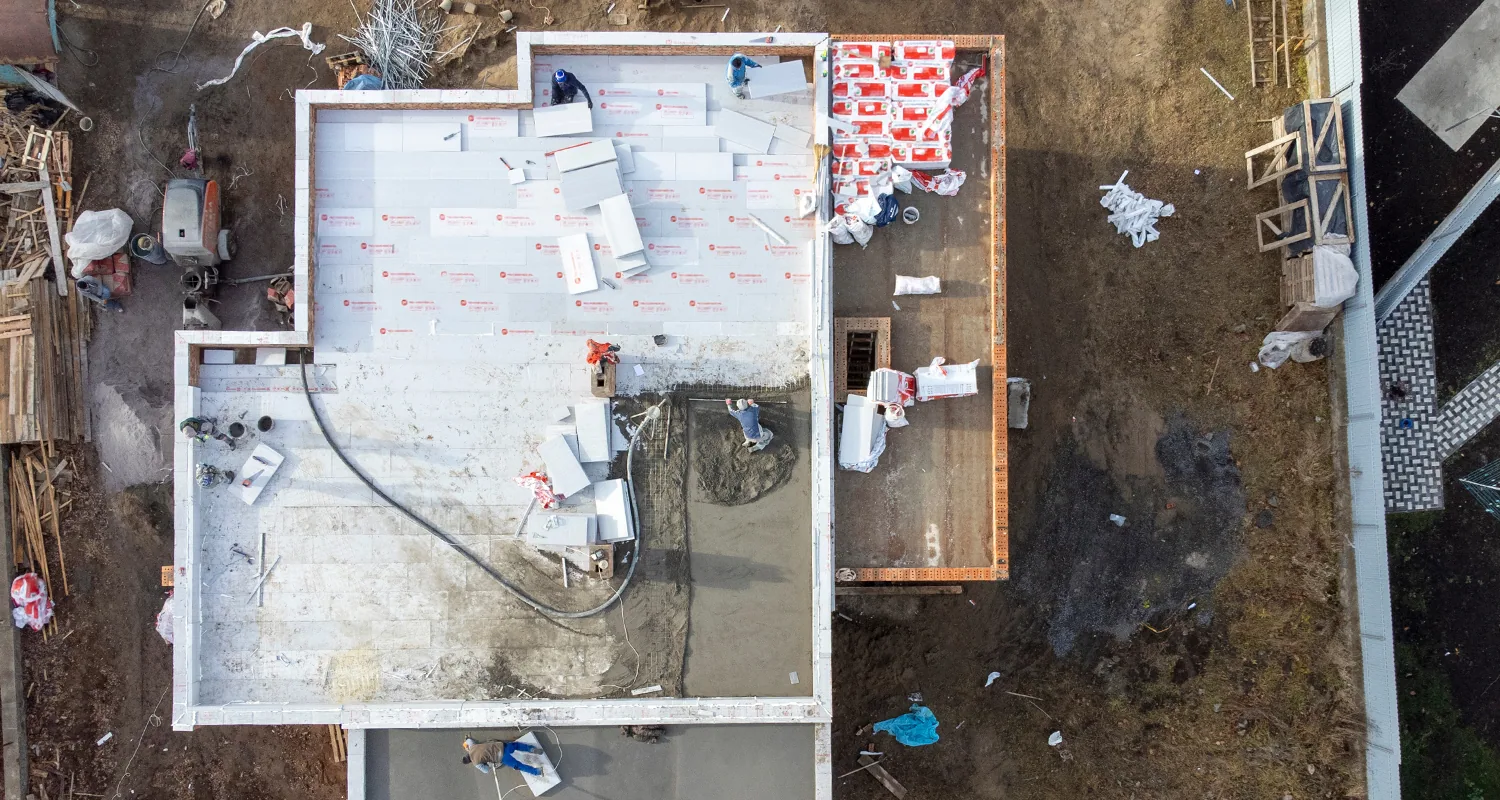
A localized defect can accept a repair when adjacent material and substrate remain sound. We name the system, preparation, repair detail, and roof-zone limit. Wet insulation or deck damage may require selective removal. The owner approves any expansion before more layers are opened. Closeout photos show the repaired area and any nearby item left outside scope.

For broader deterioration, we compare repair, recover, coating, restoration, and replacement. We compare each option against moisture, attachment, drainage, substrate, height, and product compatibility. A new layer requires a base assembly suitable for recover. A coating needs a prepared surface that can accept it. A recover review and coating restoration each require their own inspection.

Cost and timing reflect material removal, staging, equipment conflicts, test openings, interior protection, and tenant or production schedules. A narrow leak repair and a multi-zone restoration have different sequencing. We state assumptions and access limits so the owner can review the actual scope. A staged project can name the roof zone, daily closure, and handoff point for each visit. If equipment shutdown or interior protection is required, the site contact confirms the sequence before mobilization.

Johns Manville Commercial Roofing in Meridian, ID

Coordinate the Field Visit

The facilities contact confirms hatch access, escorts, work hours, loading, interior entry, and any restricted photography. If a mechanical contractor needs the same curb, we coordinate the roof detail before closing a repair. An unvisited area remains on the limitations list. For active entry, dispatch captures the room report, roof zone, and contact approving temporary measures. An urgent visit can be arranged overnight or on a holiday. The permanent repair plan follows safe access and material review. We record the person who receives closeout and can release a later test visit.

Fields Subarea planning combines schools, civic uses, retail, offices, parks, and industrial employment. The nearby Eagle Road corridor has separate commercial access patterns. We verify roof materials and condition at the property before setting scope. We use the site address and contact to set delivery and staging details.

Send the address, active water-entry location, Johns Manville documents, and prior repair photos. Include roof-hatch instructions and the best work window. We can identify the first inspection zone before arrival.

Johns Manville Commercial Roofing in Meridian, ID

Maintain a Clear Material Record

After approved work, the closeout file can include material names, photographs, repair limits, and any test result. We note what could not be inspected. Facilities staff can retain the report with project and maintenance records. A later leak at another roof area receives a separate finding and date.

A condition report can preserve roof-zone observations. A maintenance visit can revisit drains and details. For a material comparison, GAF commercial systems and Carlisle SynTec products have their own assembly families. The existing roof still determines what repair material fits.

For local routing, Ten Mile Crossing is one Meridian reference. Dispatch needs the exact property address, roof area, documents, and access contact. We will set the inspection around the building’s operating schedule.

A facilities lead can also retain the inspector’s area list beside the work order. That makes a later comparison more precise when a room report recurs. We label the roof plan reference, repair date, and any visible change since the last visit. A new finding remains separate until the inspection connects it.

Which Johns Manville membrane families are relevant to this roof?

Its commercial materials include TPO, PVC, EPDM, modified bitumen, built-up, and liquid-applied systems. We still identify the installed roof from the property’s markings, records, and visible assembly.

Can you repair a Johns Manville membrane locally?

A local repair may fit when the surrounding sheet and substrate remain suitable. We inspect material, seam, attachment, and moisture before selecting a method. The scope states the repair boundary.

Do specialty drains or edge products come with every system?

No. A catalog lists product options, not the components installed at a particular building. We inspect the roof and available records before identifying an accessory or transition.

What should I provide before a system inspection?

Send the address, product documents, previous repair records, active leak location, roof plan, and site contact. Include recent rooftop work that may have changed a detail.

Inspect the Roof Assembly

Send the Meridian address, active leak area, Johns Manville documents, and access contact. We will plan the inspection around roof history and site operations.

Call 555-555-5555 or fill out the form and we will be in touch.

Got a Leak?

For active leaks, storm damage or other urgent roof problems, call us directly at: 555-555-5555.

ServicesRoof SystemsProperty TypesIndustriesService AreasDamage RepairCapabilitiesManufacturersAboutRequest a Roof Assessment555-555-5555
Call555-555-5555